THE ADVENTURE COLLECTIVE® · Independent discovery and booking for outdoor travel

Move slowly down the Nile on a four-day cruise from Luxor to Aswan, visiting Karnak, the Valley of the Kings, Edfu, Kom Ombo and Philae. Expect short on-shore excursions, warm days, and easy river travel that keeps packing and unpacking to a minimum.
Move slowly down the Nile on a four-day cruise from Luxor to Aswan, visiting Karnak, the Valley of the Kings, Edfu, Kom Ombo and Philae. Expect short on-shore excursions, warm days, and easy river travel that keeps packing and unpacking to a minimum.
On deck before dawn the Nile slides like a living road, palms and mud-brick villages passing slowly as the cruise pulls away from Luxor toward Aswan.
Verified experiences and guided adventures in the surrounding area.
Operated by Dahab Safari Day Tours · Luxor, Luxor Governorate
On deck before dawn the Nile slides like a living road, palms and mud-brick villages passing slowly as the cruise pulls away from Luxor toward Aswan.
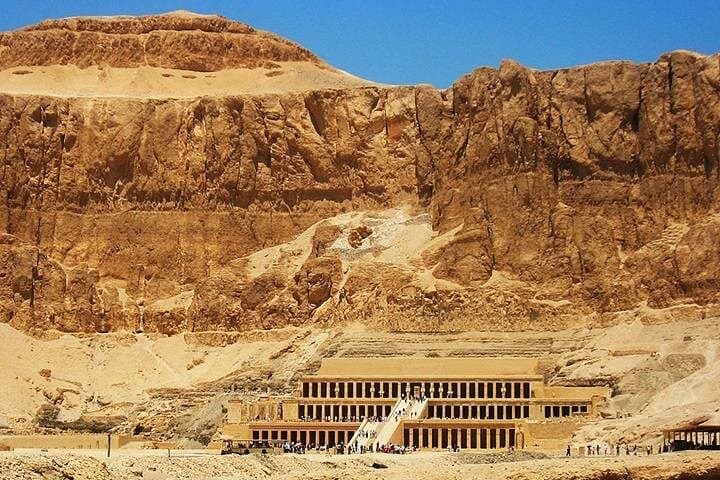
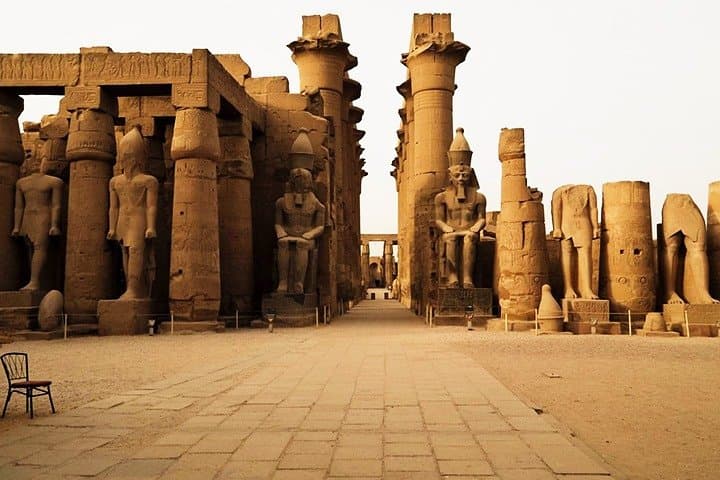
Stone temples rise from the riverbanks with the same patient geometry they had three millennia ago; the boat hums, teak and brass catching the first light. Over four days and roughly 200–250 km of gentle river travel, this itinerary layers the high drama of pharaonic monuments with the quiet rhythms of the floodplain.
Geology here is simple and decisive: a ribbon of alluvial soil cut through older sandstone and limestone, creating a narrow green band in an arid landscape. Culturally, the route traces New Kingdom ambition—Karnak and the Valley of the Kings—then the later Greco-Roman and Ptolemaic additions at Kom Ombo and Philae. Local life still orients on the river: farmers, felucca captains and small market stalls sustain the centuries-old relationship between people and water.
Practical notes: expect minimal elevation gain—temple visits involve steps and uneven stone floors—so steady footwear and sun protection are essential. Transfers from Hurghada to Luxor are road-based and typically 3–4 hours; embarkation schedules aim to maximize cooler morning visits. Carry small bills for tips and souvenirs, a refillable water bottle, and respect dress codes at religious sites (shoulders and knees covered). Security and entrance fees are usually managed by the operator, but bring ID and any printed confirmations.
This cruise is both an easy-moving introduction to Egypt’s Nile corridor and a compact way to see major archaeological highlights without daily hotel changes.
easy.
4 days (3 nights).
Suitable for travelers in average health; requires the ability to climb short temple staircases and walk on uneven stone surfaces.
The cruise typically embarks in Luxor and disembarks in Aswan, with road transfers arranged between Hurghada and Luxor as part of the package.
This itinerary indicates entrance fees to the listed sights are included; always confirm specific inclusions on your booking voucher.
Yes—physical demands are low, but expect stairs and some walking; inform the operator of mobility concerns so they can assist.
Modest, lightweight clothing that covers shoulders and knees is recommended; comfortable, non-slip shoes are strongly advised.
The Nile corridor between Luxor and Aswan preserves temples and tombs spanning the New Kingdom through the Ptolemaic era; many sites were centers of religious power and riverine commerce.
Archaeological sites are fragile—avoid touching reliefs or climbing on monuments. Reduce plastic use aboard and follow guide instructions to limit impact on local ecosystems.
Dahab Safari Day Tours operates guided outdoor trips and adventures with an emphasis on safety, stewardship, and memorable experiences.
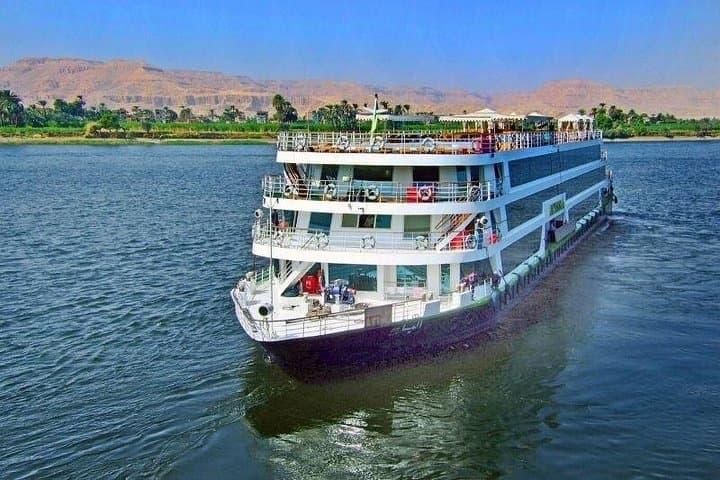
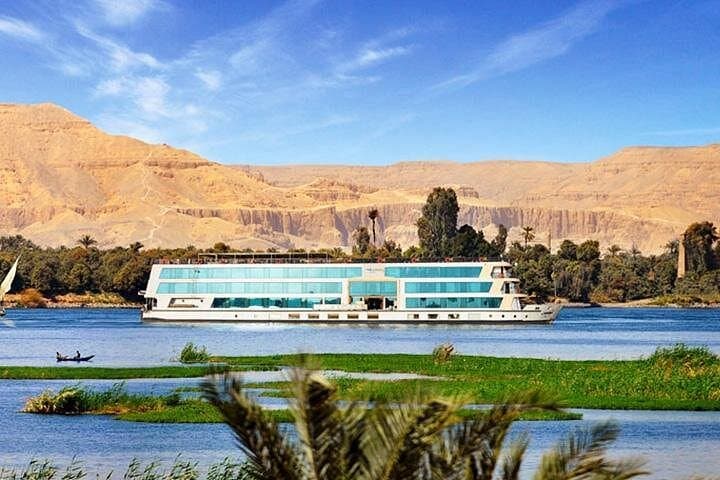
On deck before dawn the Nile slides like a living road, palms and mud-brick villages passing slowly as the cruise pulls away from Luxor toward Aswan.
On deck before dawn the Nile slides like a living road, palms and mud-brick villages passing slowly as the cruise pulls away from Luxor toward Aswan.
Stone temples rise from the riverbanks with the same patient geometry they had three millennia ago; the boat hums, teak and brass catching the first light. Over four days and roughly 200–250 km of gentle river travel, this itinerary layers the high drama of pharaonic monuments with the quiet rhythms of the floodplain.
Geology here is simple and decisive: a ribbon of alluvial soil cut through older sandstone and limestone, creating a narrow green band in an arid landscape. Culturally, the route traces New Kingdom ambition—Karnak and the Valley of the Kings—then the later Greco-Roman and Ptolemaic additions at Kom Ombo and Philae. Local life still orients on the river: farmers, felucca captains and small market stalls sustain the centuries-old relationship between people and water.
Practical notes: expect minimal elevation gain—temple visits involve steps and uneven stone floors—so steady footwear and sun protection are essential. Transfers from Hurghada to Luxor are road-based and typically 3–4 hours; embarkation schedules aim to maximize cooler morning visits. Carry small bills for tips and souvenirs, a refillable water bottle, and respect dress codes at religious sites (shoulders and knees covered). Security and entrance fees are usually managed by the operator, but bring ID and any printed confirmations.
This cruise is both an easy-moving introduction to Egypt’s Nile corridor and a compact way to see major archaeological highlights without daily hotel changes.