THE ADVENTURE COLLECTIVE® · Independent discovery and booking for outdoor travel

Sail the Nile between Aswan and Luxor with included Abu Simbel and sleeping-train connections to Cairo. This 4-day cruise blends on-deck downtime with early-morning temple tours led by licensed Egyptologists.
Sail the Nile between Aswan and Luxor with included Abu Simbel and sleeping-train connections to Cairo. This 4-day cruise blends on-deck downtime with early-morning temple tours led by licensed Egyptologists.
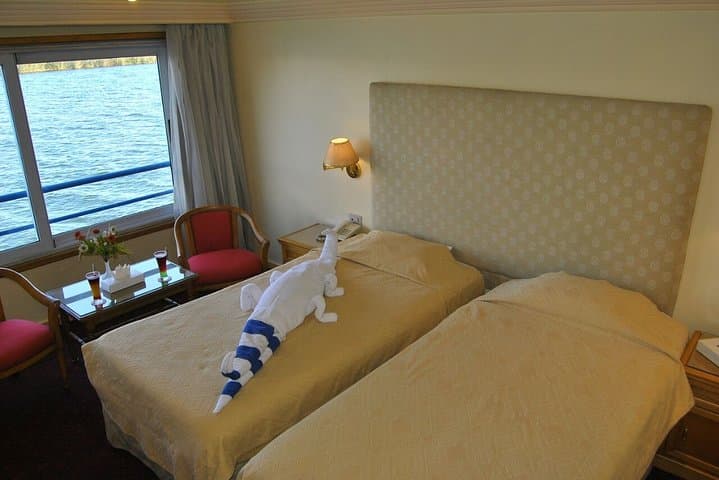
You step onto the ship as the Nile slides past in slow, deliberate ribbons — fishermen in feluccas, ochre villages, and a shoreline that has fed civilizations for millennia.
Verified experiences and guided adventures in the surrounding area.
Operated by Special trips · Aswan, Aswan Governorate
You step onto the ship as the Nile slides past in slow, deliberate ribbons — fishermen in feluccas, ochre villages, and a shoreline that has fed civilizations for millennia.
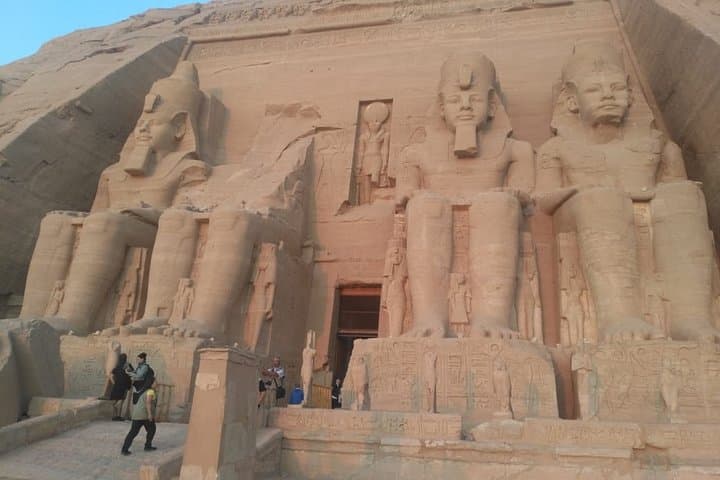
The route from Aswan to Luxor traces layers of history: Philae’s island temple, the colossal twin façades of Abu Simbel carved by Ramses II, Kom Ombo’s dual sanctuary, and the funerary cliffs at the Valley of the Kings. Geologically, the river cuts a clear corridor through desert bedrock, creating fertile floodplains where Nubian culture meets ancient Egyptian monuments. Local guides — trained Egyptologists — bring inscriptions and architectural phases to life while you glide between sites.
Expect dawn excursions, early drives to Abu Simbel, and multiple short walks over uneven stone, temple steps, and sandy paths. The cruise offers full board, evening entertainment and overnight sleeping-train segments to connect Cairo and Luxor — practical logistics that compress long distances into comfortable travel.
Plan for heat, glare, and early starts: broad-brim hats, sunscreen, and layered clothing for cool desert mornings are essentials. Carry cash for entry fees, tips, and local vendors; photographic permits and modest dress are required at many sites. Mobility is moderate — stepladders, cobbled ramps, and uneven surfaces are common. Allow one full day in Luxor to explore east and west banks at a deliberate pace.
This combination of river time, temple visits, and train travel is best for travelers who want concentrated access to Upper Egypt’s landmarks without the rush — practical, immersive, and anchored by expert guides.
moderate.
5–6 days.
Suitable for travelers who can handle 2–3 hours of walking on uneven terrain per day and short bus transfers; not highly strenuous.
Most travelers require a visa; check your nationality requirements and arrange an e-visa or on-arrival visa before departure.
Standard itinerary items are included, but some optional sites or photographic permits may require extra local payment.
Transfers typically begin around 4–5 AM to reach Abu Simbel before peak heat and crowds; exact time depends on seasonal daylight and logistics.
Sleeping train cabins included provide basic sleeper accommodations with dinner and breakfast; they are functional rather than luxury.
Upper Egypt’s temples reflect millennia of pharaonic power and later Greco-Roman additions; Abu Simbel was relocated in the 1960s to save it from the Aswan High Dam reservoir.
Tour operators follow site-specific rules to limit wear on monuments; visitors should avoid touching reliefs and follow established paths to reduce erosion.
Special trips operates guided outdoor trips and adventures with an emphasis on safety, stewardship, and memorable experiences.


You step onto the ship as the Nile slides past in slow, deliberate ribbons — fishermen in feluccas, ochre villages, and a shoreline that has fed civilizations for millennia.
You step onto the ship as the Nile slides past in slow, deliberate ribbons — fishermen in feluccas, ochre villages, and a shoreline that has fed civilizations for millennia.
The route from Aswan to Luxor traces layers of history: Philae’s island temple, the colossal twin façades of Abu Simbel carved by Ramses II, Kom Ombo’s dual sanctuary, and the funerary cliffs at the Valley of the Kings. Geologically, the river cuts a clear corridor through desert bedrock, creating fertile floodplains where Nubian culture meets ancient Egyptian monuments. Local guides — trained Egyptologists — bring inscriptions and architectural phases to life while you glide between sites.
Expect dawn excursions, early drives to Abu Simbel, and multiple short walks over uneven stone, temple steps, and sandy paths. The cruise offers full board, evening entertainment and overnight sleeping-train segments to connect Cairo and Luxor — practical logistics that compress long distances into comfortable travel.
Plan for heat, glare, and early starts: broad-brim hats, sunscreen, and layered clothing for cool desert mornings are essentials. Carry cash for entry fees, tips, and local vendors; photographic permits and modest dress are required at many sites. Mobility is moderate — stepladders, cobbled ramps, and uneven surfaces are common. Allow one full day in Luxor to explore east and west banks at a deliberate pace.
This combination of river time, temple visits, and train travel is best for travelers who want concentrated access to Upper Egypt’s landmarks without the rush — practical, immersive, and anchored by expert guides.