THE ADVENTURE COLLECTIVE® · Independent discovery and booking for outdoor travel

Sail the Nile between Aswan and Luxor, visit Abu Simbel at dawn, and explore Karnak and the Valley of the Kings with Egyptologist guides. This multi-day cruise pairs relaxed river travel with intense days of archaeology and local culture.
Sail the Nile between Aswan and Luxor, visit Abu Simbel at dawn, and explore Karnak and the Valley of the Kings with Egyptologist guides. This multi-day cruise pairs relaxed river travel with intense days of archaeology and local culture.
A low, warm wind moves along the Nile as the ship eases away from Aswan; banks of papyrus and sunbaked mud-brick villages slide past while minarets and palm groves puncture the skyline. Onboard, a shaded sun deck and the gentle slap of the river set the pace—this is a travel rhythm defined by water and ancient stone.
Verified experiences and guided adventures in the surrounding area.
Operated by Here Egypt Tours · Aswan, Aswan Governorate
A low, warm wind moves along the Nile as the ship eases away from Aswan; banks of papyrus and sunbaked mud-brick villages slide past while minarets and palm groves puncture the skyline. Onboard, a shaded sun deck and the gentle slap of the river set the pace—this is a travel rhythm defined by water and ancient stone.
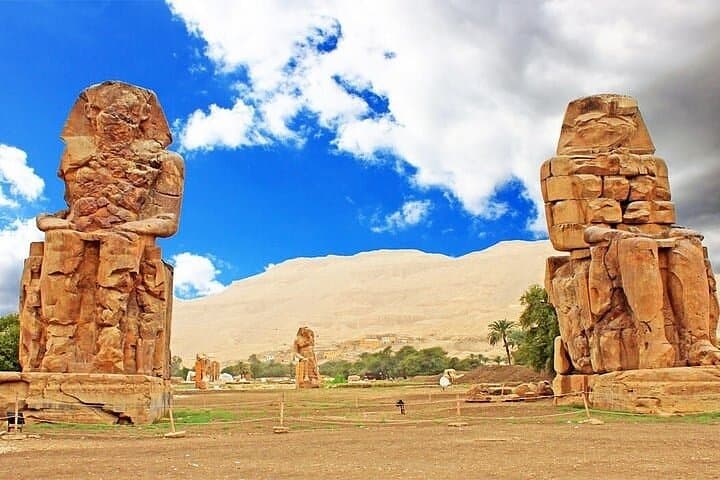
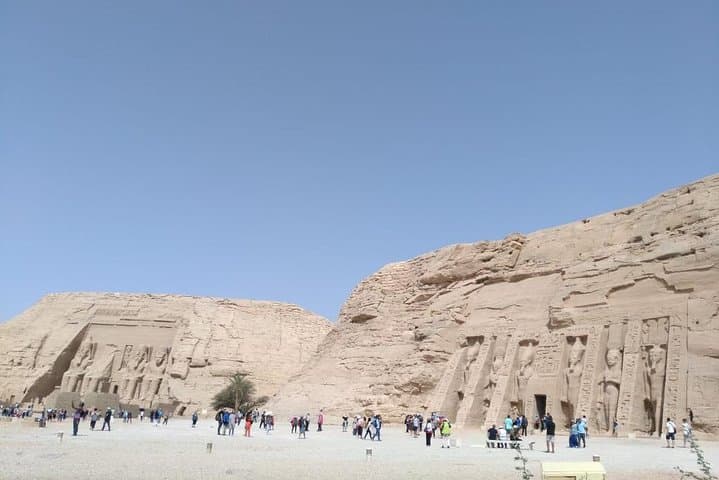
The itinerary threads modern Egypt with layers of history: Philae’s island temple rebuilt stone by stone after the High Dam reshaped the river, Abu Simbel’s colossal figures cut into Nubian sandstone to defy time, and Luxor’s Karnak and the Valley of the Kings where pharaohs were sealed into rock. Geology is obvious—the Nile’s sediment carved a fertile corridor through desert, concentrating life and monuments along its banks. Local culture appears in small details: Nubian boats, tea on the sun deck, and markets that trade dates and papyrus prints.
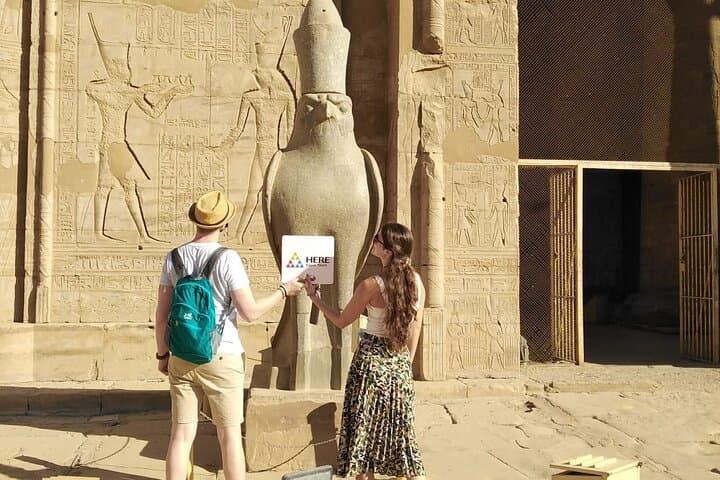
Expect early starts for major sites, short walks on uneven temple steps, and long stretches spent watching the river dare you to slow down. Guides are Egyptologists; they translate hieroglyphs into context and point out solar alignments and sculptural details most visitors miss.
Practical notes: bring sun protection and comfortable walking shoes, carry cash for tipping and small purchases, and plan luggage that’s easy to stow on a moving ship. Trains between Cairo and Aswan/Luxor are included; sleepers are an upgrade. With modest planning, this cruise blends relaxed river travel with intensive days of archaeology and culture.
moderate.
4–6 days.
Light to moderate fitness; able to board trains/boats and walk short distances on uneven surfaces for 1–3 hours a day.
Most key site entries listed in the itinerary (Abu Simbel, Philae, Kom Ombo, Edfu, Valley of the Kings, Karnak, Luxor) are included; confirm specifics with your operator before travel.
Train tickets are included as first-class seated; sleeper upgrades are available for an additional fee and provide more privacy and beds for overnight travel.
Meals are full-board and typically flexible; notify the operator of dietary restrictions before departure so the kitchen can prepare alternatives.
If the Abu Simbel visit is canceled due to weather, the operator provides a partial refund (the policy notes a US$30 per person refund in some cases) or an adjusted itinerary when possible.
The Nile corridor concentrated pharaonic power; temples and tombs were sited on high ground or islands to command the river and sky, with Abu Simbel famously relocated in the 1960s to save it from the Aswan High Dam reservoir.
Tourism and water management place pressure on fragile monuments and local resources; choose operators that support site conservation and avoid touching carvings or climbing monuments.
Here Egypt Tours operates guided outdoor trips and adventures with an emphasis on safety, stewardship, and memorable experiences.
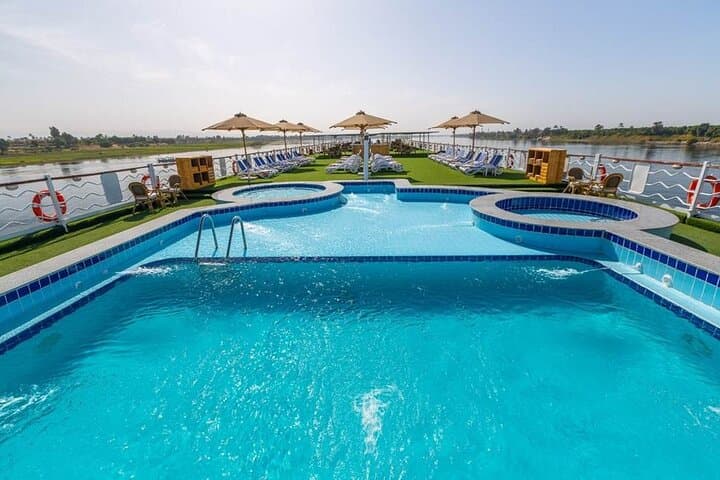
A low, warm wind moves along the Nile as the ship eases away from Aswan; banks of papyrus and sunbaked mud-brick villages slide past while minarets and palm groves puncture the skyline. Onboard, a shaded sun deck and the gentle slap of the river set the pace—this is a travel rhythm defined by water and ancient stone.
A low, warm wind moves along the Nile as the ship eases away from Aswan; banks of papyrus and sunbaked mud-brick villages slide past while minarets and palm groves puncture the skyline. Onboard, a shaded sun deck and the gentle slap of the river set the pace—this is a travel rhythm defined by water and ancient stone.
The itinerary threads modern Egypt with layers of history: Philae’s island temple rebuilt stone by stone after the High Dam reshaped the river, Abu Simbel’s colossal figures cut into Nubian sandstone to defy time, and Luxor’s Karnak and the Valley of the Kings where pharaohs were sealed into rock. Geology is obvious—the Nile’s sediment carved a fertile corridor through desert, concentrating life and monuments along its banks. Local culture appears in small details: Nubian boats, tea on the sun deck, and markets that trade dates and papyrus prints.
Expect early starts for major sites, short walks on uneven temple steps, and long stretches spent watching the river dare you to slow down. Guides are Egyptologists; they translate hieroglyphs into context and point out solar alignments and sculptural details most visitors miss.
Practical notes: bring sun protection and comfortable walking shoes, carry cash for tipping and small purchases, and plan luggage that’s easy to stow on a moving ship. Trains between Cairo and Aswan/Luxor are included; sleepers are an upgrade. With modest planning, this cruise blends relaxed river travel with intensive days of archaeology and culture.