THE ADVENTURE COLLECTIVE® · Independent discovery and booking for outdoor travel

Sail the Upper Nile on a four-day cruise from Aswan to Luxor with stops at Abu Simbel, Edfu and Kom Ombo. This guided itinerary combines archaeological deep-dives with relaxed river travel and an optional hot-air balloon over Luxor.
Sail the Upper Nile on a four-day cruise from Aswan to Luxor with stops at Abu Simbel, Edfu and Kom Ombo. This guided itinerary combines archaeological deep-dives with relaxed river travel and an optional hot-air balloon over Luxor.
Dawn light spills across the Nile as the cruise slips away from Aswan — palm-studded islands slide by, villagers wave from mud-brick riverbanks, and temple facades appear like stage sets rising from the water.
Verified experiences and guided adventures in the surrounding area.
Operated by Luxor Private Day Tours · Luxor, Luxor Governorate
Dawn light spills across the Nile as the cruise slips away from Aswan — palm-studded islands slide by, villagers wave from mud-brick riverbanks, and temple facades appear like stage sets rising from the water.
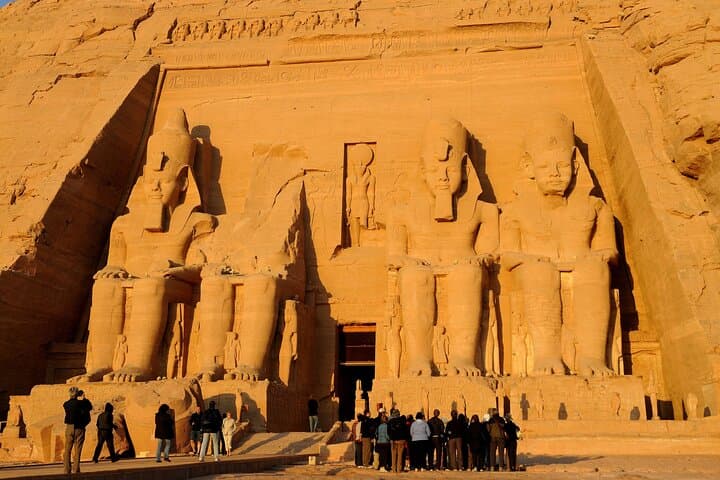
This four-day itinerary threads Egypt’s Upper Nile: Philae and the Aswan High Dam, the colossal rock-cut faces of Abu Simbel, the twin shrines of Kom Ombo, the well-preserved Edfu Temple, and Luxor’s East and West Banks with the Valley of the Kings and Hatshepsut’s mortuary temple. Geologically, the river has carved a narrow verdant corridor through arid desert rock, concentrating settlements and monumental architecture where silt and water sustained millennia of civilization.
Culturally the cruise offers layered encounters — an Egyptologist guide decodes hieroglyphs and funerary practice, while Nubian villages along the way present a living river culture distinct from the pharaonic sites. Optional activities such as a hot-air balloon over Luxor add an aerial perspective on the same funerary landscape that once defined royal power.
Practical guidance: expect early starts for Abu Simbel, bring original passport and copies for temple admissions, and budget extra for entrance tickets that are often excluded. Sun protection and a collapsible water bottle are essential; wear comfortable, closed-toe shoes for uneven temple floors and sandy approaches. Photography rules vary — some tombs ban flash — so follow site signage and your guide’s instructions.
This trip balances unhurried cruising with concentrated archaeological exploration, giving travelers a compact, well-guided way to experience the Nile’s history, landscape, and living communities.
easy.
4 days.
Suitable for most fitness levels; you should be able to walk short distances on uneven surfaces and climb steps.
Entrance fees for most temples and the Valley of the Kings are commonly not included; Abu Simbel is frequently excluded. Confirm prior to travel and budget accordingly.
The itinerary arranges transfers to the airport and coordination for the Cairo–Aswan flight; verify at booking whether the domestic flight itself is included in your package.
A hot-air balloon is offered as an optional extra on the final morning; it is subject to availability and weather and usually requires separate booking and payment.
Accessibility is limited: many temple sites and smaller boats have steps and uneven ground. Contact the operator in advance to discuss specific needs and possible accommodations.
The Nile corridor concentrated agricultural surplus that financed monumental temples and elaborate royal tombs; many sites date to pharaonic dynasties spanning thousands of years.
High visitor numbers and river traffic place stress on fragile sites and local ecosystems; follow site rules, avoid touching reliefs, and minimize single-use plastics to reduce impact.
Luxor Private Day Tours operates guided outdoor trips and adventures with an emphasis on safety, stewardship, and memorable experiences.



Dawn light spills across the Nile as the cruise slips away from Aswan — palm-studded islands slide by, villagers wave from mud-brick riverbanks, and temple facades appear like stage sets rising from the water.
Dawn light spills across the Nile as the cruise slips away from Aswan — palm-studded islands slide by, villagers wave from mud-brick riverbanks, and temple facades appear like stage sets rising from the water.
This four-day itinerary threads Egypt’s Upper Nile: Philae and the Aswan High Dam, the colossal rock-cut faces of Abu Simbel, the twin shrines of Kom Ombo, the well-preserved Edfu Temple, and Luxor’s East and West Banks with the Valley of the Kings and Hatshepsut’s mortuary temple. Geologically, the river has carved a narrow verdant corridor through arid desert rock, concentrating settlements and monumental architecture where silt and water sustained millennia of civilization.
Culturally the cruise offers layered encounters — an Egyptologist guide decodes hieroglyphs and funerary practice, while Nubian villages along the way present a living river culture distinct from the pharaonic sites. Optional activities such as a hot-air balloon over Luxor add an aerial perspective on the same funerary landscape that once defined royal power.
Practical guidance: expect early starts for Abu Simbel, bring original passport and copies for temple admissions, and budget extra for entrance tickets that are often excluded. Sun protection and a collapsible water bottle are essential; wear comfortable, closed-toe shoes for uneven temple floors and sandy approaches. Photography rules vary — some tombs ban flash — so follow site signage and your guide’s instructions.
This trip balances unhurried cruising with concentrated archaeological exploration, giving travelers a compact, well-guided way to experience the Nile’s history, landscape, and living communities.