THE ADVENTURE COLLECTIVE® · Independent discovery and booking for outdoor travel

Glide between Aswan and Luxor on a four-day Nile cruise that pairs calm river travel with jaw-dropping temple visits. This itinerary hits Philae, Kom Ombo, Edfu, Luxor and the Valley of the Kings with guided shore excursions and comfortable onboard cabins.
Glide between Aswan and Luxor on a four-day Nile cruise that pairs calm river travel with jaw-dropping temple visits. This itinerary hits Philae, Kom Ombo, Edfu, Luxor and the Valley of the Kings with guided shore excursions and comfortable onboard cabins.
The cruise slips away from Aswan at sunrise and the Nile takes command: sugar-white palms blur past, fishermen cast lines like punctuation, and the river pushes the boat gently toward Luxor.
Verified experiences and guided adventures in the surrounding area.
Operated by Nile Prince Travel · Aswan, Aswan Governorate
The cruise slips away from Aswan at sunrise and the Nile takes command: sugar-white palms blur past, fishermen cast lines like punctuation, and the river pushes the boat gently toward Luxor.
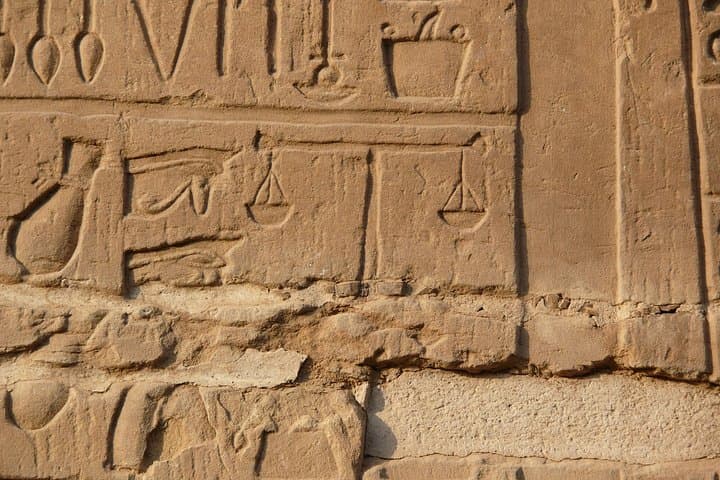
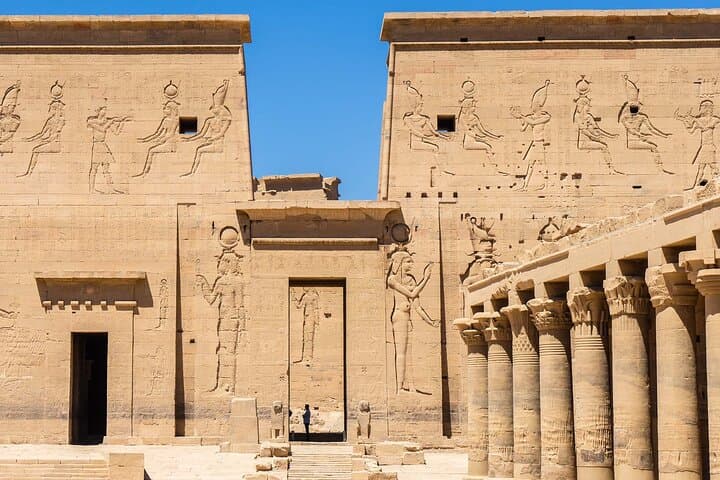
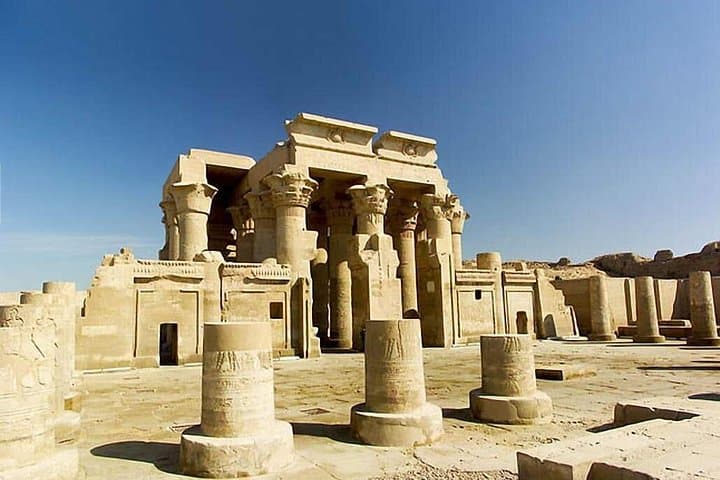
Over four days travelers move through chapters of Egyptian history — Philae’s island temples that survived the rising reservoir, Kom Ombo’s dual sanctuaries to Sobek and Horus, Edfu’s Ptolemaic inscriptions and Luxor’s monumental temples that frame the old city. Geology is part of the story too: the Nile carves a thin fertile ribbon through Nubian granite and orange desert, and the riverbank terraces preserve millennia of settlement patterns.
Culture here is tactile — hawkers outside temple gates, the clip-clop of horse carriage rides on Luxor’s Corniche, the measured cadence of an Egyptologist describing ritual scenes. Nights aboard a five-star dahabiya-style cruise are practical and comfortable: cabins with facilities, meals included, and short daily disembarkings for guided archaeology tours.
Practical guidance: expect short walks over uneven stone and stair climbs at temple pylon entrances; carry a small daypack with water, sunscreen and a hat. Mornings are cooler and best for the Valley of the Kings; midafternoon temple visits can be hot. Cash in small bills speeds entry purchases and tips. If mobility is limited, note that docks and some temple approaches can be stepped; the operator lists wheelchair-accessible options.
This route is a compact cultural corridor: low-key river travel between sites makes for efficient sightseeing with time to absorb the scale and story of Pharaonic Egypt.
moderate.
4 days.
Suitable for travelers in average fitness; ability to walk on uneven stone and climb stairs is recommended
Meals listed in the itinerary include lunches for all days and most breakfasts and dinners on board; check the itinerary for specifics per day.
The operator indicates wheelchair-accessible transportation and surfaces for some areas, but temple approaches may have stone steps—confirm assistance and exact accessibility when booking.
Guided visits and all sites mentioned in the itinerary are covered; clarify whether optional extra-site fees or special tomb permits are included before travel.
Pickup is available from Aswan hotels, the airport or train station as noted—arrival and departure flight or train details are requested during booking.
This stretch of the Nile connects ancient Thebes and Nubian trading hubs; temples here span Pharaonic, Ptolemaic and Roman periods and reflect long riverine civilization.
High visitor numbers and boat traffic stress fragile sites and river ecosystems—use provided waste disposal, avoid touching reliefs and support licensed guides to minimize impact.
Nile Prince Travel operates guided outdoor trips and adventures with an emphasis on safety, stewardship, and memorable experiences.
The cruise slips away from Aswan at sunrise and the Nile takes command: sugar-white palms blur past, fishermen cast lines like punctuation, and the river pushes the boat gently toward Luxor.
The cruise slips away from Aswan at sunrise and the Nile takes command: sugar-white palms blur past, fishermen cast lines like punctuation, and the river pushes the boat gently toward Luxor.
Over four days travelers move through chapters of Egyptian history — Philae’s island temples that survived the rising reservoir, Kom Ombo’s dual sanctuaries to Sobek and Horus, Edfu’s Ptolemaic inscriptions and Luxor’s monumental temples that frame the old city. Geology is part of the story too: the Nile carves a thin fertile ribbon through Nubian granite and orange desert, and the riverbank terraces preserve millennia of settlement patterns.
Culture here is tactile — hawkers outside temple gates, the clip-clop of horse carriage rides on Luxor’s Corniche, the measured cadence of an Egyptologist describing ritual scenes. Nights aboard a five-star dahabiya-style cruise are practical and comfortable: cabins with facilities, meals included, and short daily disembarkings for guided archaeology tours.
Practical guidance: expect short walks over uneven stone and stair climbs at temple pylon entrances; carry a small daypack with water, sunscreen and a hat. Mornings are cooler and best for the Valley of the Kings; midafternoon temple visits can be hot. Cash in small bills speeds entry purchases and tips. If mobility is limited, note that docks and some temple approaches can be stepped; the operator lists wheelchair-accessible options.
This route is a compact cultural corridor: low-key river travel between sites makes for efficient sightseeing with time to absorb the scale and story of Pharaonic Egypt.