THE ADVENTURE COLLECTIVE® · Independent discovery and booking for outdoor travel

A four-day, three-night Nile cruise links Aswan and Luxor with guided visits to Philae, Kom Ombo, Edfu and Luxor’s west and east banks. Expect relaxed river sailing punctuated by early-morning temple walks, archaeological storytelling, and practical tips for cash, shoes, and sun.
A four-day, three-night Nile cruise links Aswan and Luxor with guided visits to Philae, Kom Ombo, Edfu and Luxor’s west and east banks. Expect relaxed river sailing punctuated by early-morning temple walks, archaeological storytelling, and practical tips for cash, shoes, and sun.
The Nile slides under the boat like a slow, insistent heartbeat as passengers step onto the shaded deck at dawn, coffee in hand, watching farms drift past — feluccas skimming, children waving from mud-brick riverbanks. This four-day, three-night cruise stages a moving gallery of pharaonic sites: Philae’s island temple, the High Dam’s modern bulk, Kom Ombo’s dual sanctuaries, the horse-drawn approach to Edfu, and Luxor’s layered temples and royal necropolis.
Verified experiences and guided adventures in the surrounding area.
Operated by Egypt Super Tours · Aswan, Aswan Governorate
The Nile slides under the boat like a slow, insistent heartbeat as passengers step onto the shaded deck at dawn, coffee in hand, watching farms drift past — feluccas skimming, children waving from mud-brick riverbanks. This four-day, three-night cruise stages a moving gallery of pharaonic sites: Philae’s island temple, the High Dam’s modern bulk, Kom Ombo’s dual sanctuaries, the horse-drawn approach to Edfu, and Luxor’s layered temples and royal necropolis.
Geology here is plain in the cliffs and alluvial terraces: the floodplain that made ancient Egypt rich, cut by seasonal shifts and choked in modern times by the High Dam. Culturally, the route links living Nubian communities with millennia-old religious landscapes — temples built from quarried sandstone and granite, obelisks raised to the sun gods, tombs carved into west-bank rock. Guides are usually Egyptologists who place the carvings and burial customs into narrative order as you step from gangway to temple forecourt.
Practically, most days balance calm sailing with short, supervised landings. Expect early starts for cooler light at tombs, uneven stone steps in temple precincts, and a mix of card and cash payments for entrance fees and local boats. Bring lightweight long sleeves, a hat, sturdy walking shoes for loose stone and sand, and a small daypack for camera gear and water. Hydration matters: the river keeps you cool on deck but desert sun will find exposed skin during excursions.
Plan for tipping in local currency, confirm pickup logistics if arriving by train or plane, and allow a flexible attitude — the Nile keeps its own time, and a good guide will turn that rhythm into the day's discoveries.
easy.
4 days.
Minimal sustained fitness required; participants should be able to walk short distances on uneven ground and climb steps.
No — entrance fees to archaeological sites are typically paid locally; many sites accept cards but bring some Egyptian pounds for boats and incidental purchases.
The tour notes wheelchair-accessible transport, but many temple sites have steps and uneven terrain; notify the operator in advance to arrange suitable transfers and assistance.
An English-speaking Egyptologist guide is included; other languages can usually be arranged for an extra charge if requested ahead of time.
Yes — tipping drivers, guides and cruise crew is customary and typically paid in cash (Egyptian pounds); bring small denominations.
The Aswan–Luxor stretch stitches together centers of pharaonic power: granite quarries, mortuary temples on the west bank, and Karnak/Luxor complexes that anchored Thebes for millennia.
Visitor pressure and modern river management affect fragile archaeological sites and riparian habitats; stick to marked paths, avoid touching reliefs, and minimize plastic waste onboard.
Egypt Super Tours operates guided outdoor trips and adventures with an emphasis on safety, stewardship, and memorable experiences.
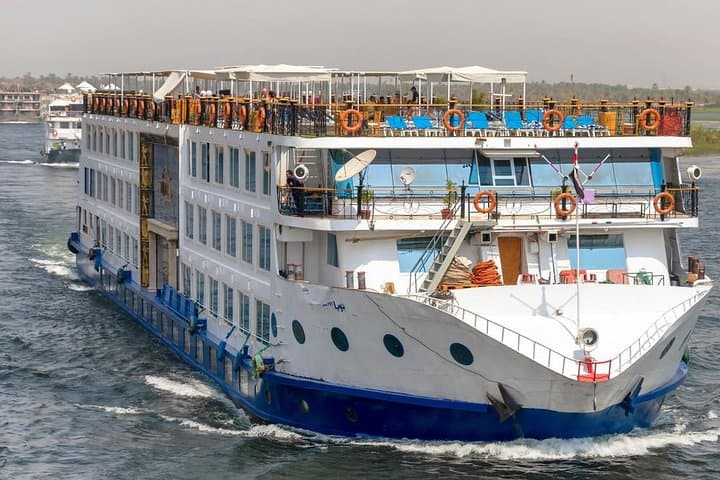
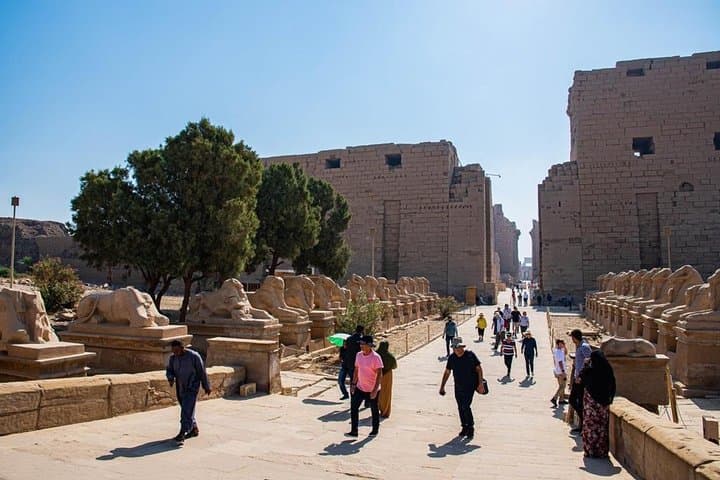
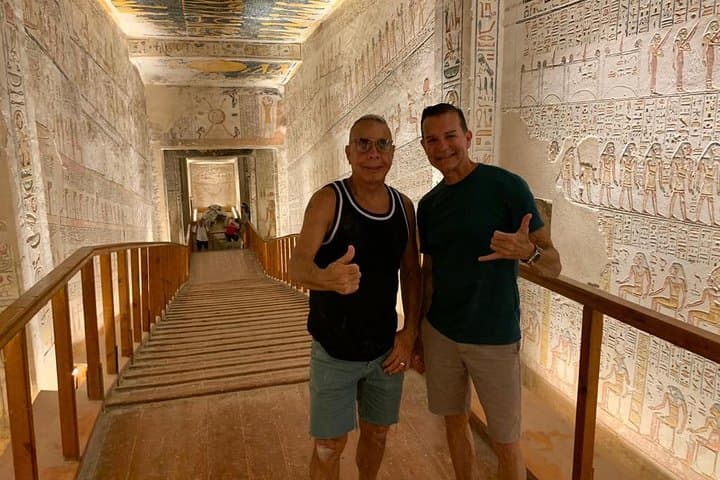
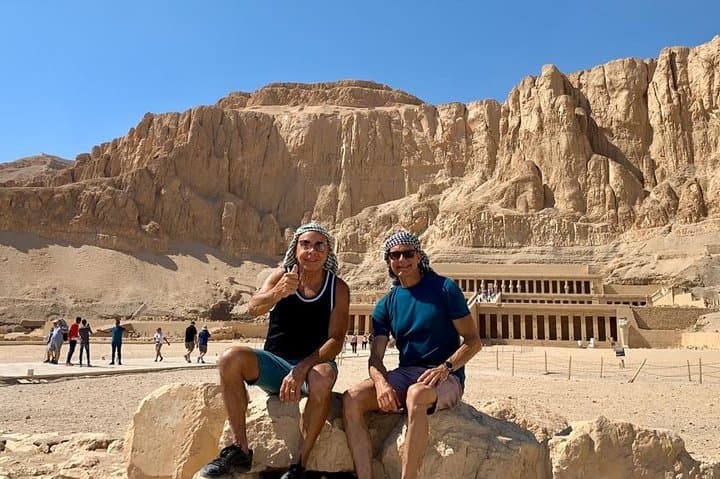
The Nile slides under the boat like a slow, insistent heartbeat as passengers step onto the shaded deck at dawn, coffee in hand, watching farms drift past — feluccas skimming, children waving from mud-brick riverbanks. This four-day, three-night cruise stages a moving gallery of pharaonic sites: Philae’s island temple, the High Dam’s modern bulk, Kom Ombo’s dual sanctuaries, the horse-drawn approach to Edfu, and Luxor’s layered temples and royal necropolis.
The Nile slides under the boat like a slow, insistent heartbeat as passengers step onto the shaded deck at dawn, coffee in hand, watching farms drift past — feluccas skimming, children waving from mud-brick riverbanks. This four-day, three-night cruise stages a moving gallery of pharaonic sites: Philae’s island temple, the High Dam’s modern bulk, Kom Ombo’s dual sanctuaries, the horse-drawn approach to Edfu, and Luxor’s layered temples and royal necropolis.
Geology here is plain in the cliffs and alluvial terraces: the floodplain that made ancient Egypt rich, cut by seasonal shifts and choked in modern times by the High Dam. Culturally, the route links living Nubian communities with millennia-old religious landscapes — temples built from quarried sandstone and granite, obelisks raised to the sun gods, tombs carved into west-bank rock. Guides are usually Egyptologists who place the carvings and burial customs into narrative order as you step from gangway to temple forecourt.
Practically, most days balance calm sailing with short, supervised landings. Expect early starts for cooler light at tombs, uneven stone steps in temple precincts, and a mix of card and cash payments for entrance fees and local boats. Bring lightweight long sleeves, a hat, sturdy walking shoes for loose stone and sand, and a small daypack for camera gear and water. Hydration matters: the river keeps you cool on deck but desert sun will find exposed skin during excursions.
Plan for tipping in local currency, confirm pickup logistics if arriving by train or plane, and allow a flexible attitude — the Nile keeps its own time, and a good guide will turn that rhythm into the day's discoveries.