THE ADVENTURE COLLECTIVE® · Independent discovery and booking for outdoor travel

Cruise four days along the Nile from Aswan to Luxor, stopping at Philae, Kom Ombo, Edfu and the grand complexes of Luxor and Karnak. This full-board voyage combines guided temple visits with relaxed river time and an optional dawn hot-air balloon over the West Bank.
Cruise four days along the Nile from Aswan to Luxor, stopping at Philae, Kom Ombo, Edfu and the grand complexes of Luxor and Karnak. This full-board voyage combines guided temple visits with relaxed river time and an optional dawn hot-air balloon over the West Bank.
Morning light throws a strip of gold across the Nile and the cruise ship slips away from Aswan, its pool reflecting minarets and palm fronds. On deck, the river seems to dare you into a slow, sunlit journey through a landscape shaped by water and stone—feluccas threading the current, archaeological pylons rising from riverbanks.
Verified experiences and guided adventures in the surrounding area.
Operated by Book Egypt Trips · Aswan, Aswan Governorate
Morning light throws a strip of gold across the Nile and the cruise ship slips away from Aswan, its pool reflecting minarets and palm fronds. On deck, the river seems to dare you into a slow, sunlit journey through a landscape shaped by water and stone—feluccas threading the current, archaeological pylons rising from riverbanks.
The voyage follows the Nile’s historic spine: Philae’s relocated island temple to honor Isis, Kom Ombo’s unusual double shrine to Sobek and Haroeris, Edfu’s well-preserved temple to Horus, and Luxor’s monumental Karnak and Valley of the Kings. Geologically the corridor is a narrow sedimentary valley cut through Nubian sandstone and limestone; ancient builders cut tombs and temples directly into those rocks. Culturally, the trip layers modern Egyptian life—river farmers, Nubian communities, market stalls—with millennia of pharaonic ritual and Roman, Greek, and later influences.
Practicalities are straightforward. Expect guided shore excursions each day with short walks, uneven stone steps and some exposed sun. Bring sunscreen, a hat, and shoes that handle dust and temple stairways. Mornings are best for heavy sightseeing and, if you opt in, the hot-air balloon flight over Luxor’s West Bank at dawn. Meals and accommodations are full-board on the ship; guides and entrance fees are included, but carry small change for tips and market purchases.
Travelers should plan for early starts, brief bus transfers to sites, and the slow rhythm of the river between stops—an ideal match for people who want immersive history without constant packing and unpacking.
easy.
4 days.
Suitable for most fitness levels; must be able to walk short distances, manage steps and board small tenders at some sites
Yes; the itinerary lists entrance fees and Egyptologist-guided visits to the main sites as included in the package.
The hot-air balloon over Luxor is typically optional and booked separately; check at booking for availability and pricing.
The cruise itself is easy but daily shore excursions involve walking on uneven stone, climbing stairs and short bus transfers—moderate mobility recommended.
Carry Egyptian pounds for small purchases and tipping; gratuities for guides, drivers and crew are customary and often handled in cash.
The Aswan–Luxor corridor was the political and religious heart of ancient Egypt; temples grew over centuries, with Karnak added to by pharaohs across millennia.
Tourism management and site preservation are active concerns; visitors should stay on marked paths, avoid flash photography in some tombs, and support local guides and conservation fees.
Book Egypt Trips operates guided outdoor trips and adventures with an emphasis on safety, stewardship, and memorable experiences.


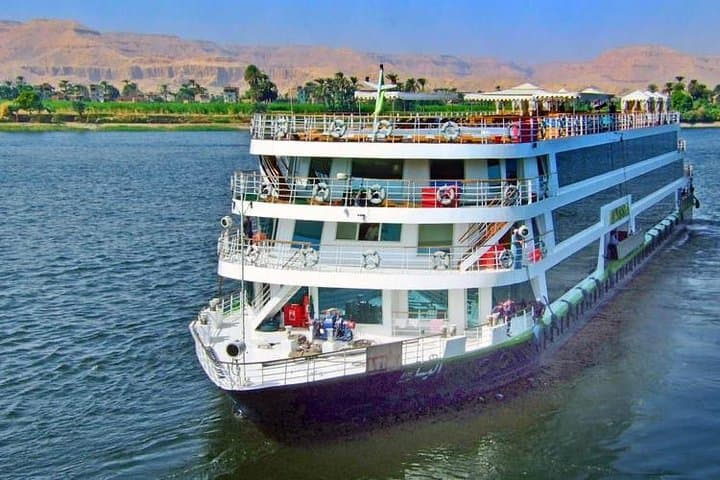
Morning light throws a strip of gold across the Nile and the cruise ship slips away from Aswan, its pool reflecting minarets and palm fronds. On deck, the river seems to dare you into a slow, sunlit journey through a landscape shaped by water and stone—feluccas threading the current, archaeological pylons rising from riverbanks.
Morning light throws a strip of gold across the Nile and the cruise ship slips away from Aswan, its pool reflecting minarets and palm fronds. On deck, the river seems to dare you into a slow, sunlit journey through a landscape shaped by water and stone—feluccas threading the current, archaeological pylons rising from riverbanks.
The voyage follows the Nile’s historic spine: Philae’s relocated island temple to honor Isis, Kom Ombo’s unusual double shrine to Sobek and Haroeris, Edfu’s well-preserved temple to Horus, and Luxor’s monumental Karnak and Valley of the Kings. Geologically the corridor is a narrow sedimentary valley cut through Nubian sandstone and limestone; ancient builders cut tombs and temples directly into those rocks. Culturally, the trip layers modern Egyptian life—river farmers, Nubian communities, market stalls—with millennia of pharaonic ritual and Roman, Greek, and later influences.
Practicalities are straightforward. Expect guided shore excursions each day with short walks, uneven stone steps and some exposed sun. Bring sunscreen, a hat, and shoes that handle dust and temple stairways. Mornings are best for heavy sightseeing and, if you opt in, the hot-air balloon flight over Luxor’s West Bank at dawn. Meals and accommodations are full-board on the ship; guides and entrance fees are included, but carry small change for tips and market purchases.
Travelers should plan for early starts, brief bus transfers to sites, and the slow rhythm of the river between stops—an ideal match for people who want immersive history without constant packing and unpacking.