THE ADVENTURE COLLECTIVE® · Independent discovery and booking for outdoor travel

A four-day Nile cruise from Aswan that pairs relaxed river travel with intensive temple visits — Abu Simbel, Kom Ombo, Edfu and Luxor. Expect early mornings at archaeological sites, warm days on deck, and guided Egyptology commentary throughout.
A four-day Nile cruise from Aswan that pairs relaxed river travel with intensive temple visits — Abu Simbel, Kom Ombo, Edfu and Luxor. Expect early mornings at archaeological sites, warm days on deck, and guided Egyptology commentary throughout.
The sun lifts off the Nile like a slow page turn. From Aswan’s riverfront the cruise slips away, the river nudging the hull south toward sandstone façades and colossal stone faces. On deck the air smells faintly of river mud and cardamom tea; on shore, temple columns throw long, readable shadows.
Verified experiences and guided adventures in the surrounding area.
Operated by Book Your Tours · Aswan, Aswan Governorate
The sun lifts off the Nile like a slow page turn. From Aswan’s riverfront the cruise slips away, the river nudging the hull south toward sandstone façades and colossal stone faces. On deck the air smells faintly of river mud and cardamom tea; on shore, temple columns throw long, readable shadows.
This four-day itinerary threads modern Aswan with ancient Thebes and the relocated giants at Abu Simbel. Geologically the Nile corridor cuts through Nubian sandstone and alluvial flats; the delta’s flow shaped temple placement and made the river a lifeline for pharaonic logistics. Culturally you’ll pass sites spanning Ptolemaic craftsmanship at Edfu to New Kingdom funerary complexes in the Valley of the Kings. In the 1960s the Abu Simbel temples were dismantled and rebuilt higher to save them from Lake Nasser — an engineering story as much as an archaeological one.
Practical guidance: plan for early starts and midday shade. Most temple visits involve stairs, uneven stone and limited shade — comfortable walking shoes and sun protection matter more than formal attire. Bring small change for local vendors and be ready for heat, especially between May and September when daytime temperatures climb quickly. The cruise provides cabins, meals and guided Egyptology commentary, but independent walking between docks and sites is part of the day.
Expect quiet moments on deck as the river pulls you past village docks and gulls, then sudden scale: columns that make you step back and recalibrate distance and time. This trip balances slow river travel with sharp, intense encounters at some of Egypt’s best-preserved monuments.
moderate.
4 days.
Moderate fitness: able to walk 1–3 miles per day on uneven surfaces and climb stairs at archaeological sites.
Most visitors require a visa for Egypt—check your national requirements and obtain a tourist visa in advance or on arrival where available.
Many sites have uneven terrain and stairs; some offer limited wheelchair access but expect assistance is often needed for boarding tenders and negotiating steps.
This itinerary notes that admissions are handled as part of the trip—confirm at booking whether entrance fees and any local taxes are included.
Bring Egyptian pounds for small purchases and tips; tipping is customary for guides, drivers and crew—carry small notes for convenience.
The monuments along this route span millennia—from New Kingdom pharaonic temples in Luxor to Ptolemaic-era Edfu—Abu Simbel was famously moved in the 1960s to save it from the Aswan High Dam’s reservoir.
UNESCO and Egyptian authorities manage key sites to limit damage from tourism; visitors should avoid touching reliefs, stick to marked paths and minimize water waste aboard and ashore.
Book Your Tours operates guided outdoor trips and adventures with an emphasis on safety, stewardship, and memorable experiences.


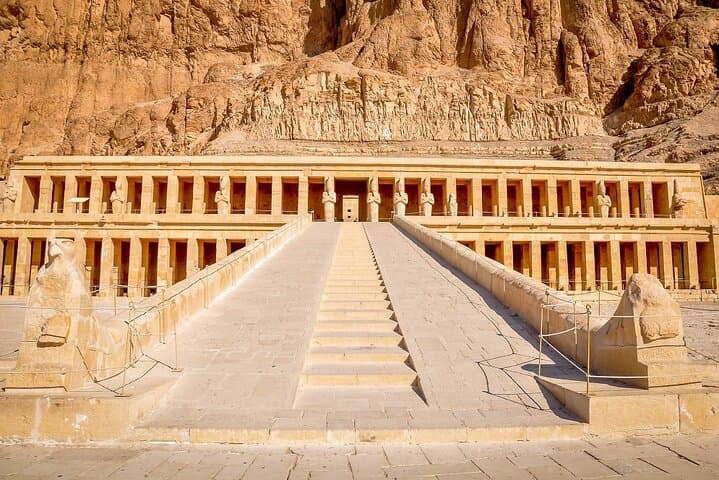
The sun lifts off the Nile like a slow page turn. From Aswan’s riverfront the cruise slips away, the river nudging the hull south toward sandstone façades and colossal stone faces. On deck the air smells faintly of river mud and cardamom tea; on shore, temple columns throw long, readable shadows.
The sun lifts off the Nile like a slow page turn. From Aswan’s riverfront the cruise slips away, the river nudging the hull south toward sandstone façades and colossal stone faces. On deck the air smells faintly of river mud and cardamom tea; on shore, temple columns throw long, readable shadows.
This four-day itinerary threads modern Aswan with ancient Thebes and the relocated giants at Abu Simbel. Geologically the Nile corridor cuts through Nubian sandstone and alluvial flats; the delta’s flow shaped temple placement and made the river a lifeline for pharaonic logistics. Culturally you’ll pass sites spanning Ptolemaic craftsmanship at Edfu to New Kingdom funerary complexes in the Valley of the Kings. In the 1960s the Abu Simbel temples were dismantled and rebuilt higher to save them from Lake Nasser — an engineering story as much as an archaeological one.
Practical guidance: plan for early starts and midday shade. Most temple visits involve stairs, uneven stone and limited shade — comfortable walking shoes and sun protection matter more than formal attire. Bring small change for local vendors and be ready for heat, especially between May and September when daytime temperatures climb quickly. The cruise provides cabins, meals and guided Egyptology commentary, but independent walking between docks and sites is part of the day.
Expect quiet moments on deck as the river pulls you past village docks and gulls, then sudden scale: columns that make you step back and recalibrate distance and time. This trip balances slow river travel with sharp, intense encounters at some of Egypt’s best-preserved monuments.