THE ADVENTURE COLLECTIVE® · Independent discovery and booking for outdoor travel

Sail four days from Aswan to Luxor aboard a full-board Nile cruiser, pairing overnight train connections from Cairo with guided visits to Abu Simbel, Philae, Kom Ombo, Edfu, and Luxor’s temples. Early starts and Egyptology commentary make this a compact cultural journey along the river.
Sail four days from Aswan to Luxor aboard a full-board Nile cruiser, pairing overnight train connections from Cairo with guided visits to Abu Simbel, Philae, Kom Ombo, Edfu, and Luxor’s temples. Early starts and Egyptology commentary make this a compact cultural journey along the river.
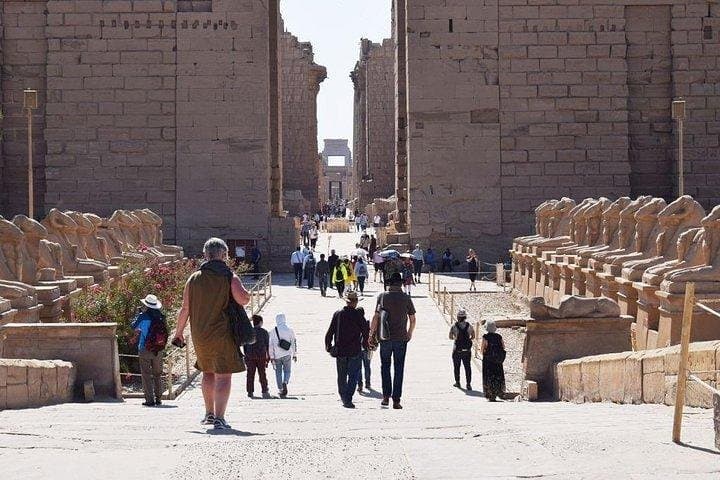
At dawn the Nile slides like a slow silver ribbon past the ship as palm trees and small villages wake on the riverbanks. Boarding in Aswan, the cruise pushes north toward Luxor—each bend framed by sandstone cliffs and temple façades that loom from the water’s edge. On deck the pool cuts a bright rectangle into the ship’s shadow; ashore, columned halls and carved pylons invite close inspection.
Verified experiences and guided adventures in the surrounding area.
Operated by Egypt Travel Line · Aswan, Aswan Governorate
At dawn the Nile slides like a slow silver ribbon past the ship as palm trees and small villages wake on the riverbanks. Boarding in Aswan, the cruise pushes north toward Luxor—each bend framed by sandstone cliffs and temple façades that loom from the water’s edge. On deck the pool cuts a bright rectangle into the ship’s shadow; ashore, columned halls and carved pylons invite close inspection.
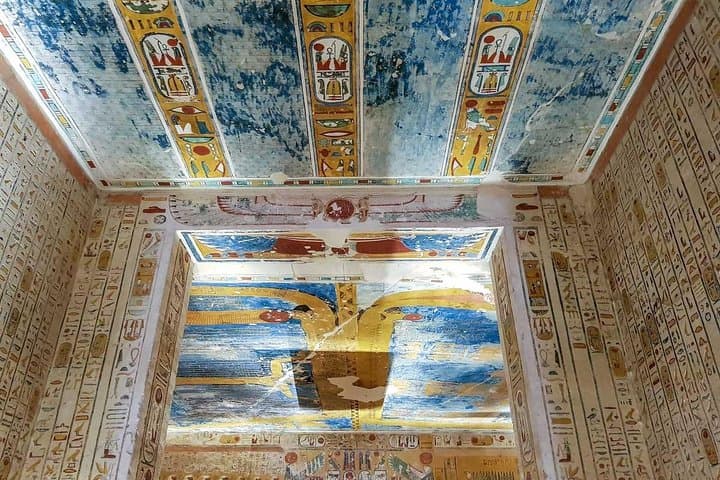
This route threads through Egypt’s history: Philae’s island temple dedicated to Isis, the colossal rock-cut temples of Abu Simbel moved above Lake Nasser, the twin shrines at Kom Ombo, and the well-preserved Ptolemaic temple at Edfu. Geologically, the river’s course slices fertile alluvium from Nubian sandstone; culturally the Nile remains the lifeblood of Upper Egypt, where ancient religious routes align with modern towns.
Expect guided walks with Egyptology commentary, short coach transfers, and early starts for key sites—Abu Simbel is typically visited before sunrise. Onboard life is relaxed: full-board meals, evening briefings, and time to swim between shore excursions. Terrain at sites is mostly paved or compact sand but includes steps and uneven rock surfaces.
Practical tips: carry sun protection and a refillable water bottle, hand cash for tips and small purchases, and pack modest clothing for temple visits. Mobility varies by site—ask about ramps if you need them. If you have limited time, the overnight train segments link Cairo to Aswan efficiently, giving you more daylight to explore temples and tombs. This cruise is part cultural deep-dive, part slow travel down a river that still dares you to slow your pace and look closely.
easy.
4 days (3 nights).
Basic mobility and stamina for walking on uneven surfaces and climbing short flights of steps; most transfers are by coach or train.
Yes — full board meals on the cruise, train tickets, and door-to-door transfers as described are included in the tour price.
Many areas on the ship and most modern coaches are accessible, but some archaeological sites have uneven surfaces and steps; check specific accessibility needs with the operator in advance.
Guided visits include free time at several sites, but the schedule is structured—expect guided commentary plus a limited window for independent photos and exploration.
Tipping is customary for guides, drivers, and service staff; bring small Egyptian pound notes and plan modest per-day amounts for local staff and guides.
This corridor of the Nile formed the core of Pharaonic Thebes and Nubian cultural exchange; many temples were re-sited during the Aswan High Dam project to save them from inundation.
Relocation and tourism management have preserved key monuments, but visitor impact and river-borne pollution remain local concerns—travelers should follow site rules and avoid touching fragile reliefs.
Egypt Travel Line operates guided outdoor trips and adventures with an emphasis on safety, stewardship, and memorable experiences.


At dawn the Nile slides like a slow silver ribbon past the ship as palm trees and small villages wake on the riverbanks. Boarding in Aswan, the cruise pushes north toward Luxor—each bend framed by sandstone cliffs and temple façades that loom from the water’s edge. On deck the pool cuts a bright rectangle into the ship’s shadow; ashore, columned halls and carved pylons invite close inspection.
At dawn the Nile slides like a slow silver ribbon past the ship as palm trees and small villages wake on the riverbanks. Boarding in Aswan, the cruise pushes north toward Luxor—each bend framed by sandstone cliffs and temple façades that loom from the water’s edge. On deck the pool cuts a bright rectangle into the ship’s shadow; ashore, columned halls and carved pylons invite close inspection.
This route threads through Egypt’s history: Philae’s island temple dedicated to Isis, the colossal rock-cut temples of Abu Simbel moved above Lake Nasser, the twin shrines at Kom Ombo, and the well-preserved Ptolemaic temple at Edfu. Geologically, the river’s course slices fertile alluvium from Nubian sandstone; culturally the Nile remains the lifeblood of Upper Egypt, where ancient religious routes align with modern towns.
Expect guided walks with Egyptology commentary, short coach transfers, and early starts for key sites—Abu Simbel is typically visited before sunrise. Onboard life is relaxed: full-board meals, evening briefings, and time to swim between shore excursions. Terrain at sites is mostly paved or compact sand but includes steps and uneven rock surfaces.
Practical tips: carry sun protection and a refillable water bottle, hand cash for tips and small purchases, and pack modest clothing for temple visits. Mobility varies by site—ask about ramps if you need them. If you have limited time, the overnight train segments link Cairo to Aswan efficiently, giving you more daylight to explore temples and tombs. This cruise is part cultural deep-dive, part slow travel down a river that still dares you to slow your pace and look closely.