THE ADVENTURE COLLECTIVE® · Independent discovery and booking for outdoor travel

Glide from Aswan to Luxor on a three-night, full-board Nile cruise that pairs major pharaonic sites with a sunrise hot-air balloon over Luxor. Early starts and easy walks deliver close-up encounters with Abu Simbel, Philae, Kom Ombo, Edfu, Karnak and the Valley of the Kings.
Glide from Aswan to Luxor on a three-night, full-board Nile cruise that pairs major pharaonic sites with a sunrise hot-air balloon over Luxor. Early starts and easy walks deliver close-up encounters with Abu Simbel, Philae, Kom Ombo, Edfu, Karnak and the Valley of the Kings.
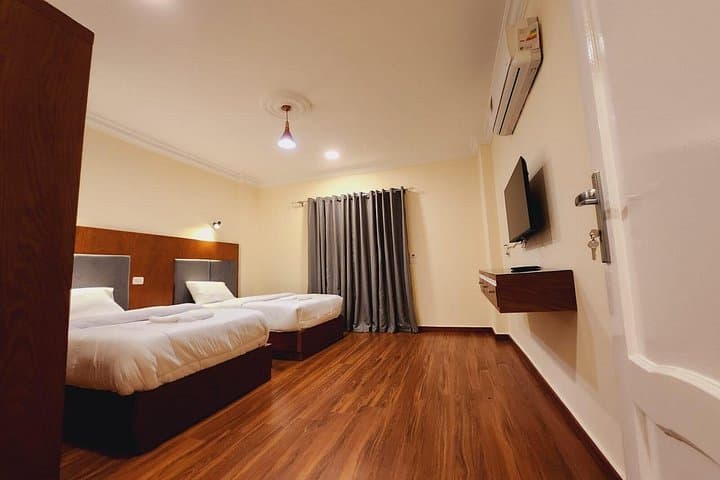
You step off the van into the slow, sandy light of Aswan and the Nile greets you like an old route — broad, warm, and relentless. The cruise waits: three nights aboard a five-star vessel where the river pulls you north past palm-lined banks, cut granite quays, and desert cliffs that change color with the sun.
Verified experiences and guided adventures in the surrounding area.
Operated by Adoro viajar a Egipto · Aswan, Aswan Governorate
You step off the van into the slow, sandy light of Aswan and the Nile greets you like an old route — broad, warm, and relentless. The cruise waits: three nights aboard a five-star vessel where the river pulls you north past palm-lined banks, cut granite quays, and desert cliffs that change color with the sun.
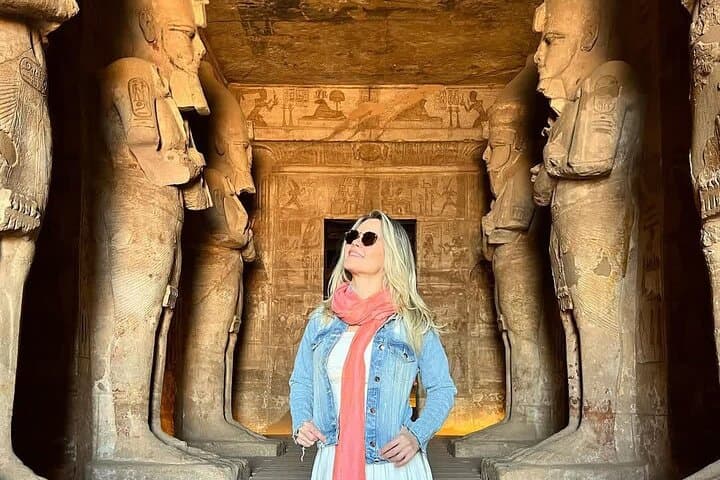
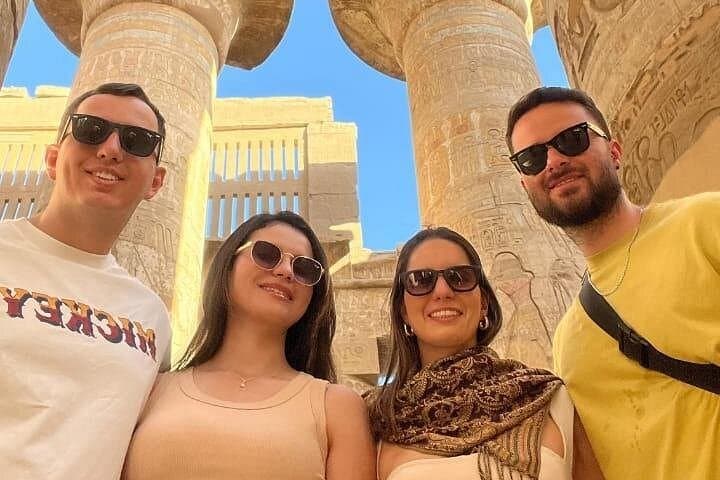
This voyage stitches together Egypt’s layered history. In Aswan see the mid-20th-century High Dam and the island temple of Philae, relocated stone-by-stone. Dawn trips to Abu Simbel reveal Ramesses II’s colossal façades carved directly into the rock; Kom Ombo and Edfu show Greco-Roman and Ptolemaic temple plans where crocodile cults and falcon gods shared sacred space. Luxor’s East and West Banks — Karnak, the Valley of the Kings, Hatshepsut’s mortuary temple — make clear how geology and belief shaped funerary architecture and the Nile-dependent civilization.
Practically: expect early mornings (Abu Simbel pickups around 4:30 a.m.; balloon flights ~5 a.m.), moderate walking on uneven temple floors, and full-board meals onboard. Temperatures can spike; the sun will challenge even brief shore excursions. Carry local cash for tips and optional meals, and dress respectfully when entering religious sites (shoulders and knees covered). Hydrate frequently and keep a light layer for cool mornings on deck.
The cruise is equal parts slow travel and curated archaeology — the river undercuts the desert’s stillness and dares you to watch and slow down. For travelers seeking accessible comfort with front-row views of ancient Egypt, it’s an efficient, scenic route through time.
moderate.
4 days.
Suitable for travelers in average physical condition who can handle repeated short walks, staircases at temples, and early-morning transfers.
Balloon flights operate weather permitting and are usually scheduled at dawn; operators may cancel for wind or visibility and offer refunds or rescheduling.
The cruise and transfers note wheelchair accessibility, but many temple sites have uneven ground and steps; check with the operator about mobility needs in advance.
Carry Egyptian pounds in small bills for tipping and local purchases; cards work at larger hotels but are less reliable at small vendors and sites.
Expect moderate walking and staircases at temples and tombs; many sites have uneven stone surfaces, so plan for repeated short walks rather than long hikes.
The Nile’s Aswan–Luxor corridor concentrates New Kingdom, Ptolemaic and Roman monuments; many temples were built or relocated as water levels and political powers shifted.
Tour operators increasingly follow site-protection rules and recommend limiting flash photography and using marked paths to reduce wear on fragile stone and tomb pigments.
Adoro viajar a Egipto operates guided outdoor trips and adventures with an emphasis on safety, stewardship, and memorable experiences.
You step off the van into the slow, sandy light of Aswan and the Nile greets you like an old route — broad, warm, and relentless. The cruise waits: three nights aboard a five-star vessel where the river pulls you north past palm-lined banks, cut granite quays, and desert cliffs that change color with the sun.
You step off the van into the slow, sandy light of Aswan and the Nile greets you like an old route — broad, warm, and relentless. The cruise waits: three nights aboard a five-star vessel where the river pulls you north past palm-lined banks, cut granite quays, and desert cliffs that change color with the sun.
This voyage stitches together Egypt’s layered history. In Aswan see the mid-20th-century High Dam and the island temple of Philae, relocated stone-by-stone. Dawn trips to Abu Simbel reveal Ramesses II’s colossal façades carved directly into the rock; Kom Ombo and Edfu show Greco-Roman and Ptolemaic temple plans where crocodile cults and falcon gods shared sacred space. Luxor’s East and West Banks — Karnak, the Valley of the Kings, Hatshepsut’s mortuary temple — make clear how geology and belief shaped funerary architecture and the Nile-dependent civilization.
Practically: expect early mornings (Abu Simbel pickups around 4:30 a.m.; balloon flights ~5 a.m.), moderate walking on uneven temple floors, and full-board meals onboard. Temperatures can spike; the sun will challenge even brief shore excursions. Carry local cash for tips and optional meals, and dress respectfully when entering religious sites (shoulders and knees covered). Hydrate frequently and keep a light layer for cool mornings on deck.
The cruise is equal parts slow travel and curated archaeology — the river undercuts the desert’s stillness and dares you to watch and slow down. For travelers seeking accessible comfort with front-row views of ancient Egypt, it’s an efficient, scenic route through time.