THE ADVENTURE COLLECTIVE® · Independent discovery and booking for outdoor travel

Sail between Aswan and Luxor on a four-day Nile cruise that pairs overnight trains from Cairo with guided visits to Abu Simbel, Philae, Kom Ombo, Edfu, Karnak and the Valley of the Kings. Expect early departures, uneven temple steps, and vivid encounters with pharaonic history.
Sail between Aswan and Luxor on a four-day Nile cruise that pairs overnight trains from Cairo with guided visits to Abu Simbel, Philae, Kom Ombo, Edfu, Karnak and the Valley of the Kings. Expect early departures, uneven temple steps, and vivid encounters with pharaonic history.
Dawn light slides across the Nile as the cruise slips from Aswan, a ribbon of blue cutting through ochre cliffs and palm-lined riverine villages. On deck, the ship’s silhouette frames temple pylons on the horizon while motorboats peel off toward tiny Nubian piers; the pace is deliberate, measured by the river and the ruins that rise from its banks.
Verified experiences and guided adventures in the surrounding area.
Operated by Charming Egypt Tours · Aswan, Aswan Governorate
Dawn light slides across the Nile as the cruise slips from Aswan, a ribbon of blue cutting through ochre cliffs and palm-lined riverine villages. On deck, the ship’s silhouette frames temple pylons on the horizon while motorboats peel off toward tiny Nubian piers; the pace is deliberate, measured by the river and the ruins that rise from its banks.
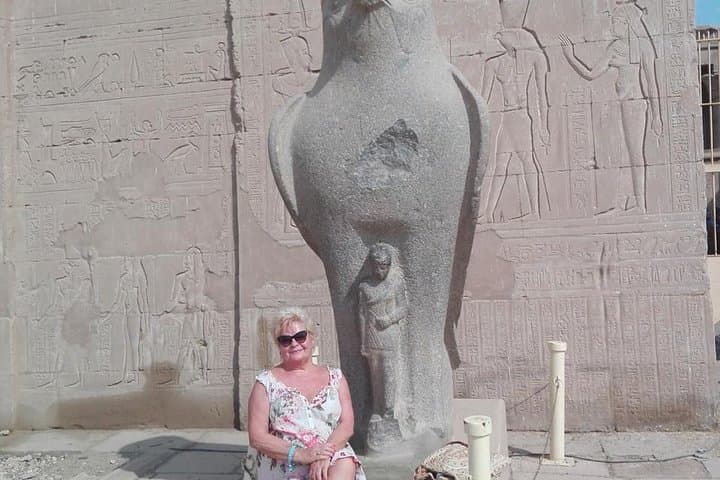
This itinerary threads Egypt’s most iconic sites—Philae and the High Dam in Aswan, the colossal Abu Simbel, the twin shrines of Kom Ombo, Edfu’s well-preserved Horus temple, and the great Karnak and Luxor complexes—into a four-day river passage punctuated by overnight trains to and from Cairo. Geology is obvious: the Nile’s floodplain carves a fertile corridor through Precambrian and sedimentary bedrock, and pharaonic builders selected the hardest stone outcrops for tombs and temples, many still bearing vivid reliefs and interior chambers.
Expect cultural contrasts: bustling souks and Nubian settlements, pastoral river life, and monumental stone carved by dynasties. Professional Egyptologists typically accompany site visits, translating hieroglyphs into context and chronology.
Practically, plan for multiple short to moderate walks (1–3 km per site), uneven stone steps, and early starts—Abu Simbel is often scheduled before sunrise to avoid heat and crowds. Hydrate frequently, use sun protection, and wear sturdy, broken-in walking shoes. Trains and a comfortable, full-board cruise are provided, but pack a lightweight daypack, a photocopy of your passport, and small Egyptian pounds for local vendors. Timing your visit for shoulder seasons eases heat and enhances comfort.
moderate.
4–6 days.
Suitable for travelers who can walk 1–3 km across uneven ground, climb stone steps, and manage early-morning transfers.
Yes—this tour typically includes entrance to the listed sites and a professional Egyptologist guide for the visits noted in the itinerary.
Most travelers require a tourist visa for Egypt—check your nationality's requirements before travel and secure a visa or e-visa in advance where possible.
The cruise and some temples involve stairs and uneven surfaces; inform the operator of mobility needs in advance—assistance may be available but full accessibility is limited.
Train luggage allowances vary; travelers should pack a manageable overnight bag for train segments and larger suitcases can often be handled by staff—confirm specifics with the operator before departure.
The Nile corridor was the cradle of pharaonic civilization; monuments here reflect millennia of political and religious power concentrated along the river’s life-giving course.
High visitor numbers and changing water management affect fragile archaeological sites; follow local rules, avoid touching reliefs, and favour licensed guides to support sustainable site stewardship.
Charming Egypt Tours operates guided outdoor trips and adventures with an emphasis on safety, stewardship, and memorable experiences.


Dawn light slides across the Nile as the cruise slips from Aswan, a ribbon of blue cutting through ochre cliffs and palm-lined riverine villages. On deck, the ship’s silhouette frames temple pylons on the horizon while motorboats peel off toward tiny Nubian piers; the pace is deliberate, measured by the river and the ruins that rise from its banks.
Dawn light slides across the Nile as the cruise slips from Aswan, a ribbon of blue cutting through ochre cliffs and palm-lined riverine villages. On deck, the ship’s silhouette frames temple pylons on the horizon while motorboats peel off toward tiny Nubian piers; the pace is deliberate, measured by the river and the ruins that rise from its banks.
This itinerary threads Egypt’s most iconic sites—Philae and the High Dam in Aswan, the colossal Abu Simbel, the twin shrines of Kom Ombo, Edfu’s well-preserved Horus temple, and the great Karnak and Luxor complexes—into a four-day river passage punctuated by overnight trains to and from Cairo. Geology is obvious: the Nile’s floodplain carves a fertile corridor through Precambrian and sedimentary bedrock, and pharaonic builders selected the hardest stone outcrops for tombs and temples, many still bearing vivid reliefs and interior chambers.
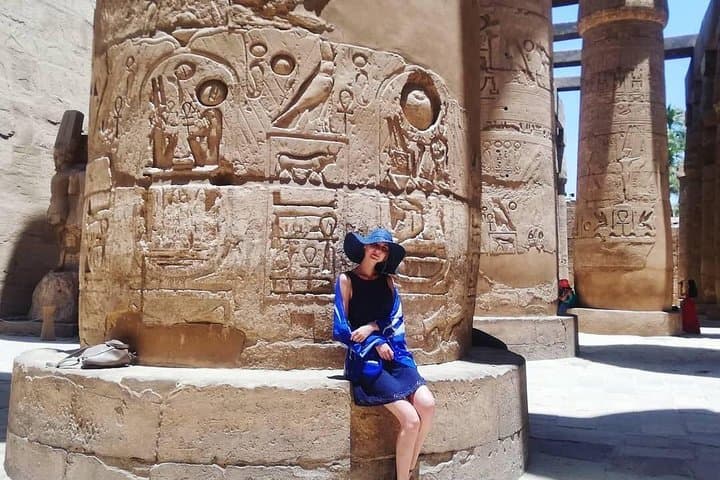
Expect cultural contrasts: bustling souks and Nubian settlements, pastoral river life, and monumental stone carved by dynasties. Professional Egyptologists typically accompany site visits, translating hieroglyphs into context and chronology.
Practically, plan for multiple short to moderate walks (1–3 km per site), uneven stone steps, and early starts—Abu Simbel is often scheduled before sunrise to avoid heat and crowds. Hydrate frequently, use sun protection, and wear sturdy, broken-in walking shoes. Trains and a comfortable, full-board cruise are provided, but pack a lightweight daypack, a photocopy of your passport, and small Egyptian pounds for local vendors. Timing your visit for shoulder seasons eases heat and enhances comfort.