THE ADVENTURE COLLECTIVE® · Independent discovery and booking for outdoor travel

Float between Aswan and Luxor on a four-day Nile cruise that pairs classic temples with a pre-dawn hot-air balloon over Luxor. Early starts, short walks on uneven temple grounds, and rich archaeological stops—Abu Simbel to Karnak—define this compact cultural journey.
Float between Aswan and Luxor on a four-day Nile cruise that pairs classic temples with a pre-dawn hot-air balloon over Luxor. Early starts, short walks on uneven temple grounds, and rich archaeological stops—Abu Simbel to Karnak—define this compact cultural journey.
Dawn arrives slow over the Nile; the cruise boat slips through silver water while palm-lined fields and sandstone bluffs slide past like pages. Guests move between shaded decks and sunlit railings, scanning temple silhouettes that rise from the riverbanks—Karnak’s columns, the twin faces of Ramses at Abu Simbel, the compact geometry of Edfu’s Horus Temple.
Verified experiences and guided adventures in the surrounding area.
Operated by Go Tours Egypt · Aswan, Aswan Governorate
Dawn arrives slow over the Nile; the cruise boat slips through silver water while palm-lined fields and sandstone bluffs slide past like pages. Guests move between shaded decks and sunlit railings, scanning temple silhouettes that rise from the riverbanks—Karnak’s columns, the twin faces of Ramses at Abu Simbel, the compact geometry of Edfu’s Horus Temple.
This four-day stretch of the Nile traces millennia. Pharaohs carved tombs into West Bank limestone; later engineers raised the High Dam, changing waterlines and forcing the famous relocation of Abu Simbel in the 1960s. The valley’s geology—riverine silt flanked by Nubian sandstone—frames settlements and temple platforms. Local culture remains tactile: market calls in Aswan, Nubian color on houses, horse-drawn carriages in Edfu and ritual offerings in small village shrines.
Practical note: expect early mornings and short guided walks across uneven, stepped surfaces—plan for 0.5–2 km of walking at sites and several stair sections. The hot-air balloon flight over Luxor lasts about 30–45 minutes and launches pre-dawn; only cell phone photography is allowed in the basket. Weather can cancel the balloon; operators typically refund a fixed amount if that happens. Dress conservatively at religious sites, carry sun protection and at least 2 liters of water per day, and keep small bills for tips and local purchases.
The cruise balances low-impact travel (sleeping aboard, short transfers) with concentrated cultural exploration—ideal for travelers who want iconic archaeological immersion without constant hotel changes.
easy.
4 days.
Suitable for travelers in average fitness; be able to manage multiple short walks over uneven stone surfaces and stairs.
Most departures include Abu Simbel but some itineraries that start on specific days may replace it with a Luxor visit; check your booking confirmation for the exact daily plan.
Operators typically restrict cameras in the balloon basket; cell phones are permitted for photos—confirm with the provider before flying.
Children under 6 years are generally not permitted on the balloon; age limits vary, so verify with your operator at booking.
Expect short guided walks of roughly 0.5–2 km at each temple complex, with stone steps and uneven surfaces—comfortable shoes are recommended.
This route traces core elements of New Kingdom Egypt and later modern interventions like the Aswan High Dam, which prompted major archaeological relocation projects such as Abu Simbel.
Many temples are protected by Egyptian antiquities authorities and UNESCO efforts; stick to marked paths, avoid touching reliefs, and support local guides to minimize impact.
Go Tours Egypt operates guided outdoor trips and adventures with an emphasis on safety, stewardship, and memorable experiences.
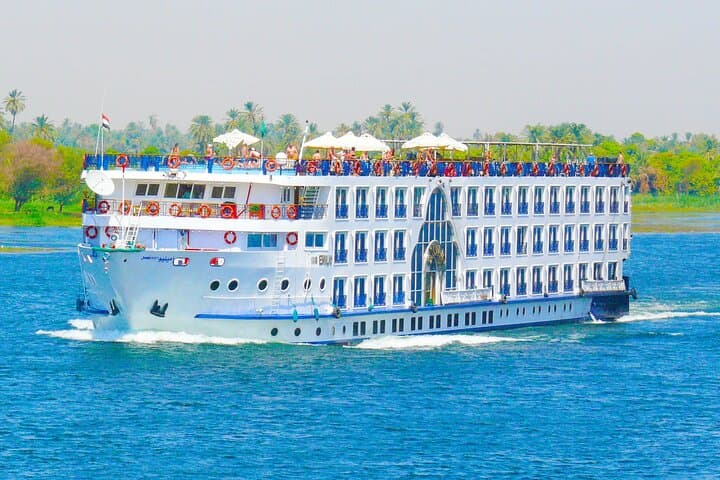
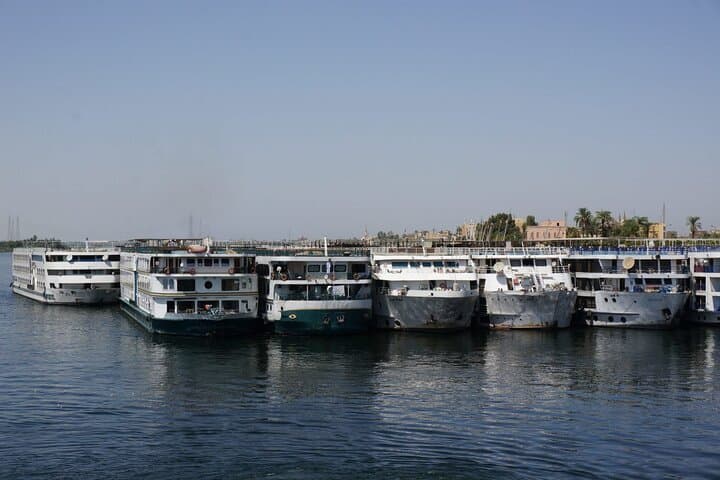
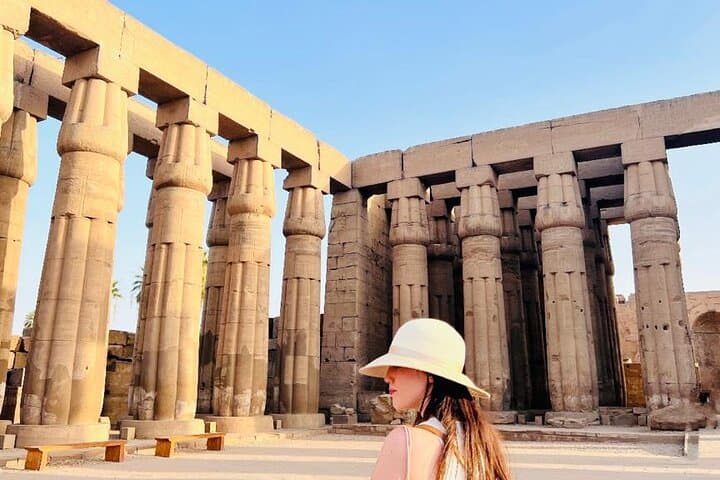
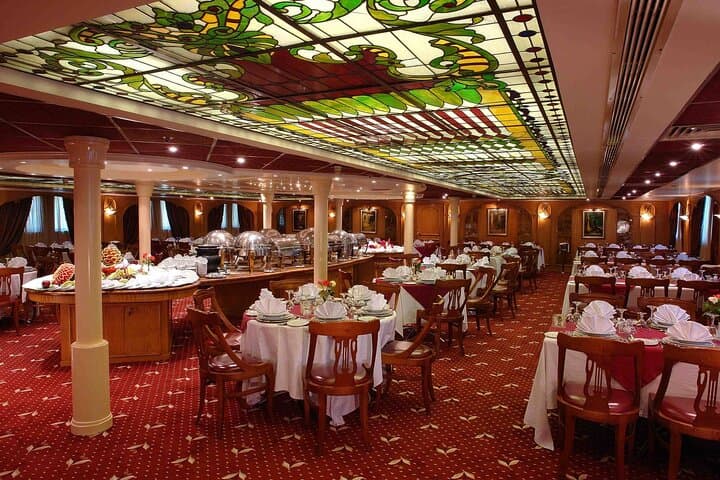
Dawn arrives slow over the Nile; the cruise boat slips through silver water while palm-lined fields and sandstone bluffs slide past like pages. Guests move between shaded decks and sunlit railings, scanning temple silhouettes that rise from the riverbanks—Karnak’s columns, the twin faces of Ramses at Abu Simbel, the compact geometry of Edfu’s Horus Temple.
Dawn arrives slow over the Nile; the cruise boat slips through silver water while palm-lined fields and sandstone bluffs slide past like pages. Guests move between shaded decks and sunlit railings, scanning temple silhouettes that rise from the riverbanks—Karnak’s columns, the twin faces of Ramses at Abu Simbel, the compact geometry of Edfu’s Horus Temple.
This four-day stretch of the Nile traces millennia. Pharaohs carved tombs into West Bank limestone; later engineers raised the High Dam, changing waterlines and forcing the famous relocation of Abu Simbel in the 1960s. The valley’s geology—riverine silt flanked by Nubian sandstone—frames settlements and temple platforms. Local culture remains tactile: market calls in Aswan, Nubian color on houses, horse-drawn carriages in Edfu and ritual offerings in small village shrines.
Practical note: expect early mornings and short guided walks across uneven, stepped surfaces—plan for 0.5–2 km of walking at sites and several stair sections. The hot-air balloon flight over Luxor lasts about 30–45 minutes and launches pre-dawn; only cell phone photography is allowed in the basket. Weather can cancel the balloon; operators typically refund a fixed amount if that happens. Dress conservatively at religious sites, carry sun protection and at least 2 liters of water per day, and keep small bills for tips and local purchases.
The cruise balances low-impact travel (sleeping aboard, short transfers) with concentrated cultural exploration—ideal for travelers who want iconic archaeological immersion without constant hotel changes.