THE ADVENTURE COLLECTIVE® · Independent discovery and booking for outdoor travel

Walk four days through the Muong Hoa valley from Sapa to Ban Ho, crossing forested trails and terraced rice fields while staying with Black Hmong, Giay and Red Dao families. This practical guide outlines what to expect—terrain, culture, and how to prepare.
Walk four days through the Muong Hoa valley from Sapa to Ban Ho, crossing forested trails and terraced rice fields while staying with Black Hmong, Giay and Red Dao families. This practical guide outlines what to expect—terrain, culture, and how to prepare.
Dawn breaks over the Muong Hoa valley in a gauze of mist, terraces stepping down like worn stairs toward the river. You start from Sapa town and quickly leave asphalt for narrow trails, the Hoang Lien Son massif watching from the west while porters and local guides set the pace.
Verified experiences and guided adventures in the surrounding area.
Operated by Asia Travel Links · Sapa, Lào Cai
Dawn breaks over the Muong Hoa valley in a gauze of mist, terraces stepping down like worn stairs toward the river. You start from Sapa town and quickly leave asphalt for narrow trails, the Hoang Lien Son massif watching from the west while porters and local guides set the pace.
The route threads centuries-old rice terraces and villages of Black Hmong, Giay and Red Dao people whose wooden houses and indigo cloth speak to an agricultural rhythm that predates modern tourism. Geologically the Hoang Lien range is young and rugged—steep ridgelines and fast-draining soils produce sudden climbs and waterfalls that have carved small side valleys into the route. Sapa itself began as a French hill station; today the villages retain traditional craft, dress and communal farms.
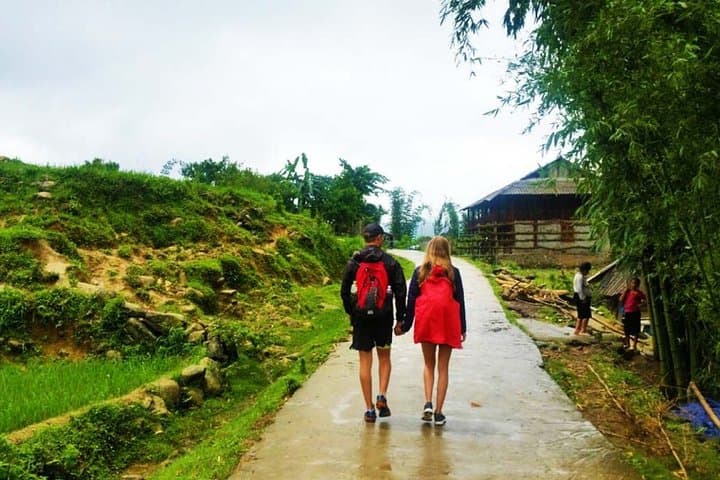
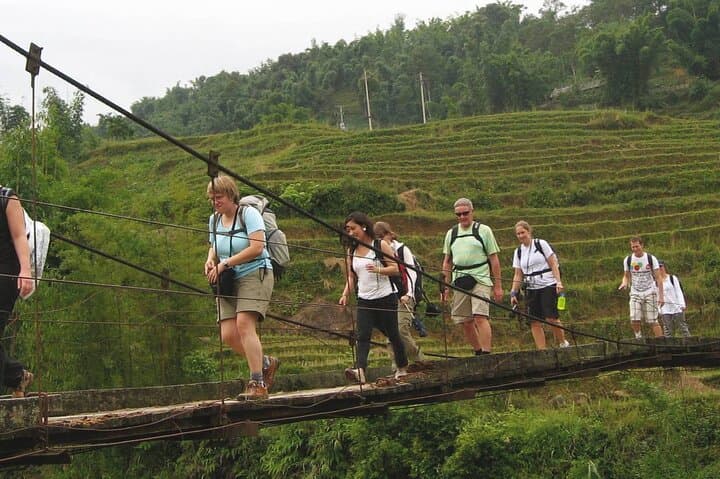
Expect a mix of forested footpaths, rocky staircases and river crossings over four days. Days alternate uphill stretches with long descents; some sections become slippery in rain. Homestays offer simple beds and cooked group meals—an honest look at local hospitality rather than hotel comforts. Practicalities matter: carry layered clothing, a reliable pair of boots and a day pack with water and snacks. Respect local customs—ask before photographing people and tip porters and hosts fairly.
This trek balances scenery and culture: sunrise on a terrace, the Muong Hoa river daring you to cool off, and evenings spent swapping stories in lantern light. With moderate fitness, careful packing and a flexible attitude, the trail rewards with views and genuine village encounters.
moderate.
4 days (approx. 6–8 hours hiking per day).
Should have a moderate level of fitness—able to hike uneven trails, sustain several hours of uphill walking, and carry a daypack.
A moderate fitness level is recommended—expect multiple uphill sections and full days on uneven terrain; training with long hikes beforehand helps.
The tour includes Black Hmong porters to carry communal food and luggage, plus breakfasts, lunches and most dinners as detailed in the itinerary.
Homestays are basic but clean, offering shared rooms, home-cooked meals and direct cultural exchange rather than hotel-style services.
Full refund available if you cancel at least 24 hours before departure; trips may be canceled for bad weather per the operator's policy.
Sapa was developed as a French hill station in the early 20th century; the Hoang Lien Son valleys have long been home to Black Hmong, Giay and Red Dao communities who shaped the terraces and local customs.
Tourism can strain water and waste systems in small villages—minimize plastic use, pack out trash and choose homestays that practice responsible waste and water management.
Asia Travel Links operates guided outdoor trips and adventures with an emphasis on safety, stewardship, and memorable experiences.
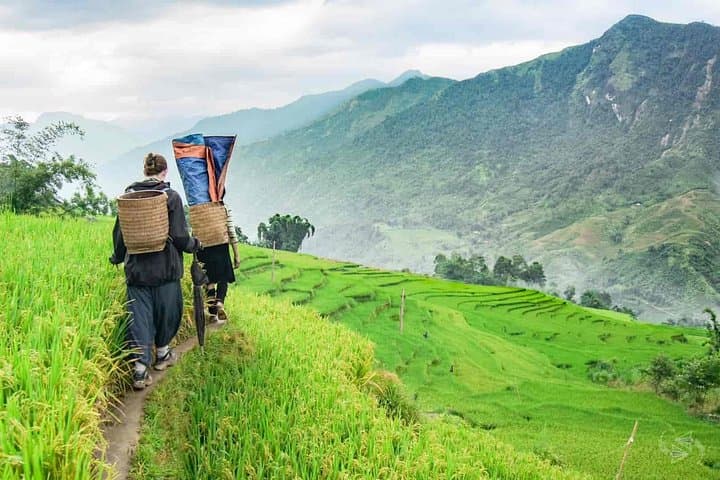
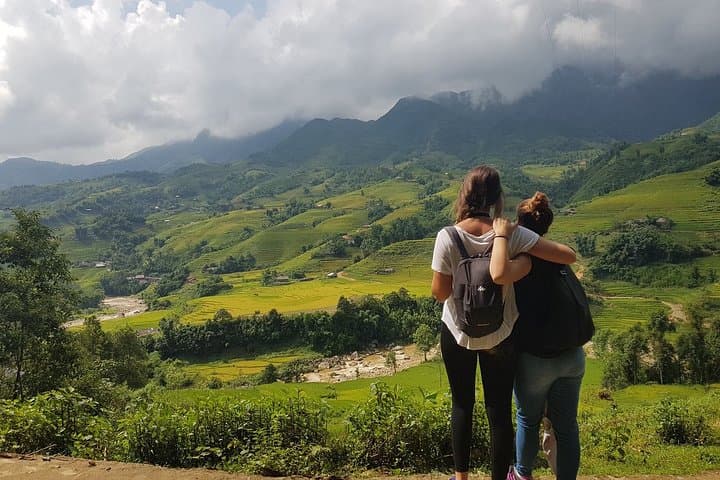
Dawn breaks over the Muong Hoa valley in a gauze of mist, terraces stepping down like worn stairs toward the river. You start from Sapa town and quickly leave asphalt for narrow trails, the Hoang Lien Son massif watching from the west while porters and local guides set the pace.
Dawn breaks over the Muong Hoa valley in a gauze of mist, terraces stepping down like worn stairs toward the river. You start from Sapa town and quickly leave asphalt for narrow trails, the Hoang Lien Son massif watching from the west while porters and local guides set the pace.
The route threads centuries-old rice terraces and villages of Black Hmong, Giay and Red Dao people whose wooden houses and indigo cloth speak to an agricultural rhythm that predates modern tourism. Geologically the Hoang Lien range is young and rugged—steep ridgelines and fast-draining soils produce sudden climbs and waterfalls that have carved small side valleys into the route. Sapa itself began as a French hill station; today the villages retain traditional craft, dress and communal farms.
Expect a mix of forested footpaths, rocky staircases and river crossings over four days. Days alternate uphill stretches with long descents; some sections become slippery in rain. Homestays offer simple beds and cooked group meals—an honest look at local hospitality rather than hotel comforts. Practicalities matter: carry layered clothing, a reliable pair of boots and a day pack with water and snacks. Respect local customs—ask before photographing people and tip porters and hosts fairly.
This trek balances scenery and culture: sunrise on a terrace, the Muong Hoa river daring you to cool off, and evenings spent swapping stories in lantern light. With moderate fitness, careful packing and a flexible attitude, the trail rewards with views and genuine village encounters.