THE ADVENTURE COLLECTIVE® · Independent discovery and booking for outdoor travel

A practical four-day ascent of Mt Meru that doubles as acclimatization for Kilimanjaro — forested walking safaris, alpine moorland, a midnight summit push, and sunrise from Africa’s high rim.
A practical four-day ascent of Mt Meru that doubles as acclimatization for Kilimanjaro — forested walking safaris, alpine moorland, a midnight summit push, and sunrise from Africa’s high rim.
Dawn across the Arusha plains feels deliberate — the air cool, the cattle lowing distant, and Mt Meru’s broad shoulder bleaching into view as you drive toward Momella Gate. By the time you shoulder your pack and step onto the trail, the park’s first light inks the rainforest canopy with clarity: leaves sparkle, birds demand attention, and giraffes loom like quiet sentries across a meadow. This is not a technical climb; it is a measured conversation with altitude, terrain and time.
Verified experiences and guided adventures in the surrounding area.
Operated by Signature Safari · Arusha, Arusha Region
Dawn across the Arusha plains feels deliberate — the air cool, the cattle lowing distant, and Mt Meru’s broad shoulder bleaching into view as you drive toward Momella Gate. By the time you shoulder your pack and step onto the trail, the park’s first light inks the rainforest canopy with clarity: leaves sparkle, birds demand attention, and giraffes loom like quiet sentries across a meadow. This is not a technical climb; it is a measured conversation with altitude, terrain and time.
Over four days the route moves from 1,400 m at Arusha to Meru’s summit at 4,565 m, following a corridor of forest, riverine scrub, moorland and rocky ridge. Day one (5–7 hours) reads like a walking safari — watch for giraffe, zebra, and buffalo as you climb to Miriakamba Hut (2,500 m). Day two steepens along the saddle ridge to Saddle Hut (3,500 m), with options to bag Little Meru (3,820 m) for extra acclimatization. The classic summit push begins in the small hours on day three: a midnight wake-up, a steady ascent to Rhino Point (3,800 m), then Cobra Point (4,350 m), and a final scramble along a rocky spine to the crater rim where, if weather allows, Kilimanjaro stares back across the plain.
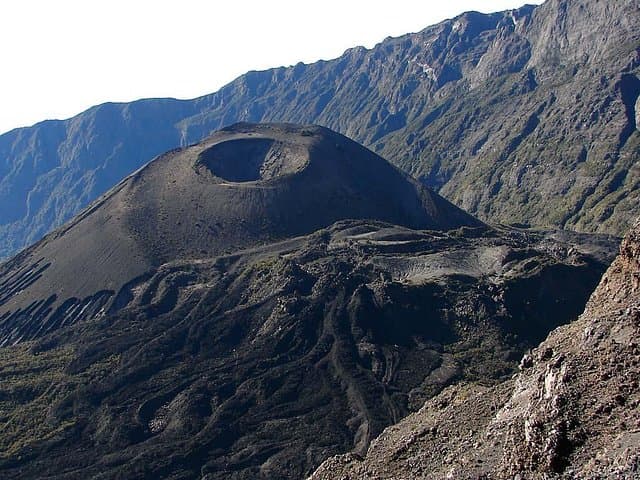
Mount Meru is a stratovolcano — its crater and “ash tray” are reminders of an eruption history that shaped northern Tanzania’s soils and ecosystems. The mountain sits inside Arusha National Park, land managed by TANAPA, and hiking here combines cultural hospitality (porters, cooks and guides) with regulated conservation measures — an armed ranger accompanies groups for safety around wildlife.
Practical guidance is straightforward: expect long hiking days and significant altitude gain; trek boots with good ankle support, layers for alpine overnight temperatures, and a reliable headlamp for the summit attempt are non-negotiable. Huts provide basic shelter and cooked meals; porters carry group gear while you carry a daypack. Trail surfaces shift from packed dirt and roots to tussock grass and loose volcanic scree; the final ridge includes exposed scrambling.
Timing matters — go during the dry months (June–September or January–February) for firmer trails and clearer summit views. Hydrate, pace upward gains, and heed your guide on acclimatization: the goal is summit success and safe descent, not speed.
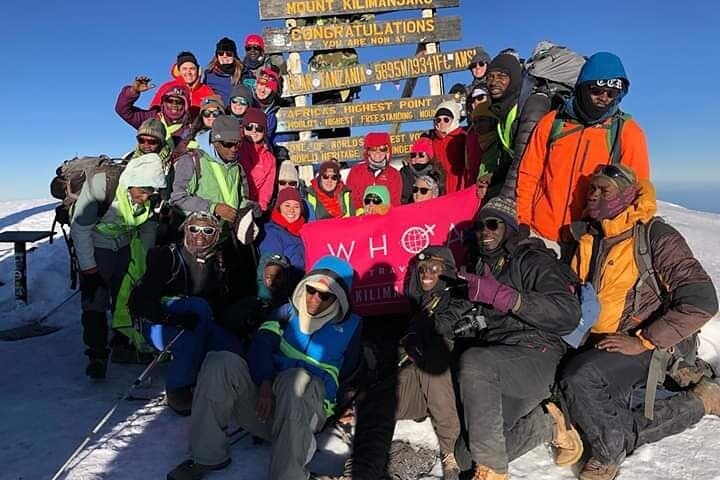
For travelers targeting Kilimanjaro, Meru is a practical precursor: it conditions lungs and legs while offering close wildlife encounters and a quieter, rawer volcanic skyline. Come prepared, move deliberately, and the mountain will reward you with sunrise over Africa’s high roofs and a clear sense of why climbers use Meru as their first step toward Kilimanjaro.
challenging.
4 days.
Good cardiovascular fitness with experience on full-day hikes; comfortable with long descents and higher altitude.
Yes — climbs are inside Arusha National Park and require TANAPA registration and an armed ranger supplied through the park.
Expect full-day hikes and a strenuous summit day of 10–12 hours; good fitness and prior multi-day hiking experience are recommended.
Absolutely — the progressive elevation gain and overnight at 3,500 m make Meru an effective acclimatization route.
You’ll stay in mountain huts (Miriakamba and Saddle Hut) with basic sleeping facilities; meals are prepared by the crew.
Dry months (June–September and January–February) offer firmer trails and higher chances of clear summit views.
Porters are provided to carry group gear; each operator’s policy varies for personal luggage — confirm before departure.
Mount Meru is a dormant stratovolcano whose eruptions shaped the soils and vistas of the Arusha region; its summit offers geological views into an ancient volcanic caldera.
TANAPA manages the park; fees fund conservation and local communities — stick to trails, pack out waste, and use park-approved services.
Signature Safari operates guided outdoor trips and adventures with an emphasis on safety, stewardship, and memorable experiences.
Dawn across the Arusha plains feels deliberate — the air cool, the cattle lowing distant, and Mt Meru’s broad shoulder bleaching into view as you drive toward Momella Gate. By the time you shoulder your pack and step onto the trail, the park’s first light inks the rainforest canopy with clarity: leaves sparkle, birds demand attention, and giraffes loom like quiet sentries across a meadow. This is not a technical climb; it is a measured conversation with altitude, terrain and time.
Dawn across the Arusha plains feels deliberate — the air cool, the cattle lowing distant, and Mt Meru’s broad shoulder bleaching into view as you drive toward Momella Gate. By the time you shoulder your pack and step onto the trail, the park’s first light inks the rainforest canopy with clarity: leaves sparkle, birds demand attention, and giraffes loom like quiet sentries across a meadow. This is not a technical climb; it is a measured conversation with altitude, terrain and time.
Over four days the route moves from 1,400 m at Arusha to Meru’s summit at 4,565 m, following a corridor of forest, riverine scrub, moorland and rocky ridge. Day one (5–7 hours) reads like a walking safari — watch for giraffe, zebra, and buffalo as you climb to Miriakamba Hut (2,500 m). Day two steepens along the saddle ridge to Saddle Hut (3,500 m), with options to bag Little Meru (3,820 m) for extra acclimatization. The classic summit push begins in the small hours on day three: a midnight wake-up, a steady ascent to Rhino Point (3,800 m), then Cobra Point (4,350 m), and a final scramble along a rocky spine to the crater rim where, if weather allows, Kilimanjaro stares back across the plain.
Mount Meru is a stratovolcano — its crater and “ash tray” are reminders of an eruption history that shaped northern Tanzania’s soils and ecosystems. The mountain sits inside Arusha National Park, land managed by TANAPA, and hiking here combines cultural hospitality (porters, cooks and guides) with regulated conservation measures — an armed ranger accompanies groups for safety around wildlife.
Practical guidance is straightforward: expect long hiking days and significant altitude gain; trek boots with good ankle support, layers for alpine overnight temperatures, and a reliable headlamp for the summit attempt are non-negotiable. Huts provide basic shelter and cooked meals; porters carry group gear while you carry a daypack. Trail surfaces shift from packed dirt and roots to tussock grass and loose volcanic scree; the final ridge includes exposed scrambling.
Timing matters — go during the dry months (June–September or January–February) for firmer trails and clearer summit views. Hydrate, pace upward gains, and heed your guide on acclimatization: the goal is summit success and safe descent, not speed.
For travelers targeting Kilimanjaro, Meru is a practical precursor: it conditions lungs and legs while offering close wildlife encounters and a quieter, rawer volcanic skyline. Come prepared, move deliberately, and the mountain will reward you with sunrise over Africa’s high roofs and a clear sense of why climbers use Meru as their first step toward Kilimanjaro.