THE ADVENTURE COLLECTIVE® · Independent discovery and booking for outdoor travel

A four-day guided trek up Mount Meru moves from steamy rainforest to a bare alpine summit at 4,566 m. Expect varied terrain, regular wildlife sightings and required park rangers—this is a demanding but highly rewarding climb near Arusha.
A four-day guided trek up Mount Meru moves from steamy rainforest to a bare alpine summit at 4,566 m. Expect varied terrain, regular wildlife sightings and required park rangers—this is a demanding but highly rewarding climb near Arusha.
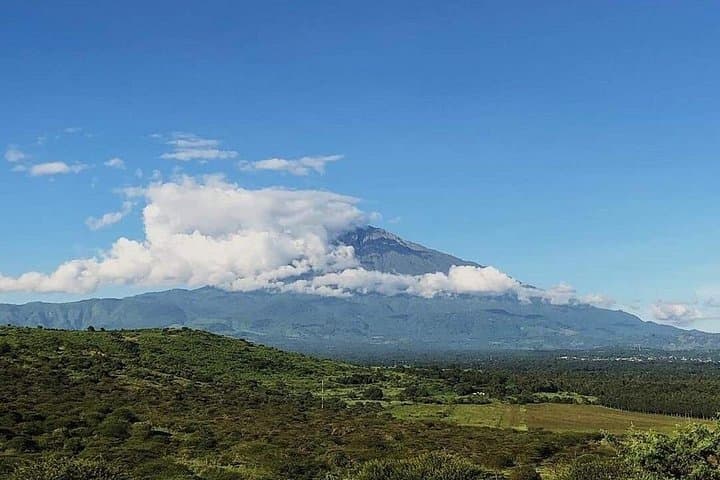
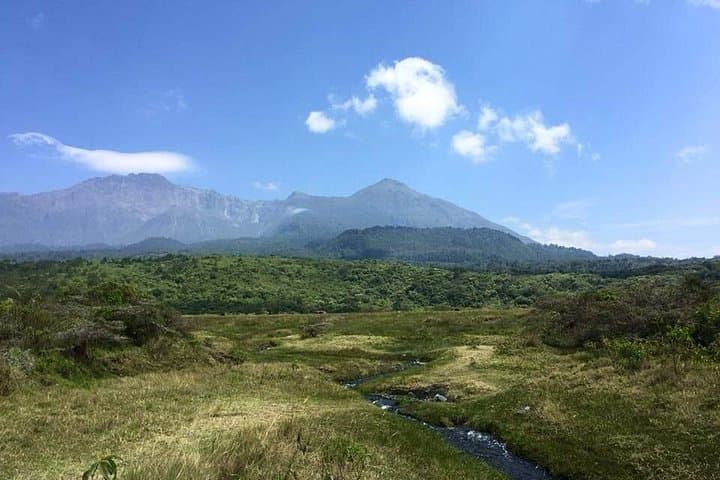
Dawn on Mount Meru arrives with the rainforest breathing mist across your boots and the trail humming with insect calls. Lowland forest gives way to dense montane growth, then scrub, heath and finally a stark alpine desert where the summit sits at 4,566 m—an exposed, wind-swept crown that watches over the plains. The ascent feels like moving through a living museum: each band of vegetation has its own light and sound.
Verified experiences and guided adventures in the surrounding area.
Operated by Great Image Expedition Ltd · Arusha, Arusha Region
Dawn on Mount Meru arrives with the rainforest breathing mist across your boots and the trail humming with insect calls. Lowland forest gives way to dense montane growth, then scrub, heath and finally a stark alpine desert where the summit sits at 4,566 m—an exposed, wind-swept crown that watches over the plains. The ascent feels like moving through a living museum: each band of vegetation has its own light and sound.
Geology here is blunt and dramatic. Some 250,000 years ago a volcanic flank collapsed, sculpting Meru’s current profile; the last known eruption was around 1910. The mountain supports varied wildlife—colobus and blue monkeys lower down, and the occasional elephant or buffalo along the ridge—so climbs are conducted with a park ranger and armed guide for safety and to manage encounters.
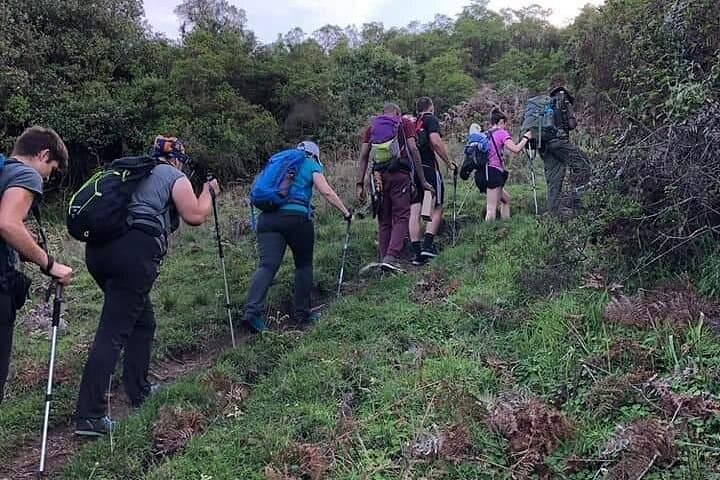
Practically, this is a four-day, guided trek with camping and meals provided. Expect full-day hikes of mixed terrain—muddy rainforest tracks, rocky scree and short steep sections—plus early summit starts to avoid afternoon winds. Altitude is real: move slowly, keep hydrated and watch for headache or nausea. Boots with ankle support, layered insulation for summit winds, and a good sleeping bag are non-negotiable. Water is supplied but carry a filter or tablets for backup.
Culturally, routes cross Maasai country and the approach to Arusha offers straightforward logistics for transfers. Respect ranger instructions, minimize waste, and allow extra time for wildlife viewing—the mountain doesn’t rush, and often rewards patience with quiet, unexpected encounters.
challenging.
4 days (approx. 96 hours).
Suitable for fit hikers used to multi-day treks and high-elevation walking; stamina for daily 6–8 hour hikes is recommended
Yes—park rules require an armed park ranger on climbs for safety and wildlife management; guided packages include them.
The main dry windows are January–March and June–October; avoid the long rains (March–May) for more stable trails and visibility.
Expect 6–8 hour hiking days with altitude gain—good fitness, prior multi-day hiking experience and acclimatization strategies matter.
Standard 4-day packages include camping, meals and bottled water; confirm specific inclusions with your operator before booking.
Mount Meru is a volcanic peak whose eastern flank collapsed roughly 250,000 years ago; its most recent activity was in the early 20th century.
Climbing is regulated by Arusha National Park—use official guides, pack out waste, and avoid disturbing wildlife to support fragile alpine and forest habitats.
Great Image Expedition Ltd operates guided outdoor trips and adventures with an emphasis on safety, stewardship, and memorable experiences.
Dawn on Mount Meru arrives with the rainforest breathing mist across your boots and the trail humming with insect calls. Lowland forest gives way to dense montane growth, then scrub, heath and finally a stark alpine desert where the summit sits at 4,566 m—an exposed, wind-swept crown that watches over the plains. The ascent feels like moving through a living museum: each band of vegetation has its own light and sound.
Dawn on Mount Meru arrives with the rainforest breathing mist across your boots and the trail humming with insect calls. Lowland forest gives way to dense montane growth, then scrub, heath and finally a stark alpine desert where the summit sits at 4,566 m—an exposed, wind-swept crown that watches over the plains. The ascent feels like moving through a living museum: each band of vegetation has its own light and sound.
Geology here is blunt and dramatic. Some 250,000 years ago a volcanic flank collapsed, sculpting Meru’s current profile; the last known eruption was around 1910. The mountain supports varied wildlife—colobus and blue monkeys lower down, and the occasional elephant or buffalo along the ridge—so climbs are conducted with a park ranger and armed guide for safety and to manage encounters.
Practically, this is a four-day, guided trek with camping and meals provided. Expect full-day hikes of mixed terrain—muddy rainforest tracks, rocky scree and short steep sections—plus early summit starts to avoid afternoon winds. Altitude is real: move slowly, keep hydrated and watch for headache or nausea. Boots with ankle support, layered insulation for summit winds, and a good sleeping bag are non-negotiable. Water is supplied but carry a filter or tablets for backup.
Culturally, routes cross Maasai country and the approach to Arusha offers straightforward logistics for transfers. Respect ranger instructions, minimize waste, and allow extra time for wildlife viewing—the mountain doesn’t rush, and often rewards patience with quiet, unexpected encounters.