THE ADVENTURE COLLECTIVE® · Independent discovery and booking for outdoor travel

A four-day hut-based trek up Mount Meru that weaves rainforest, moorland and a pre-dawn summit to Socialist Peak. Expect wildlife, volcanic vistas and practical acclimatization for Kilimanjaro.
A four-day hut-based trek up Mount Meru that weaves rainforest, moorland and a pre-dawn summit to Socialist Peak. Expect wildlife, volcanic vistas and practical acclimatization for Kilimanjaro.
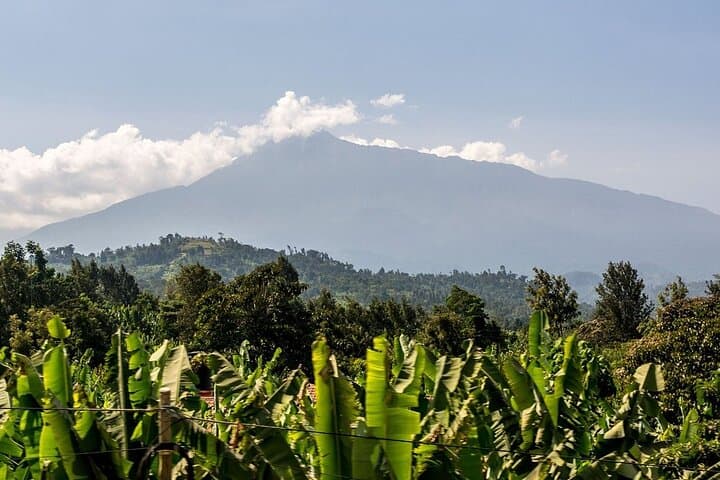
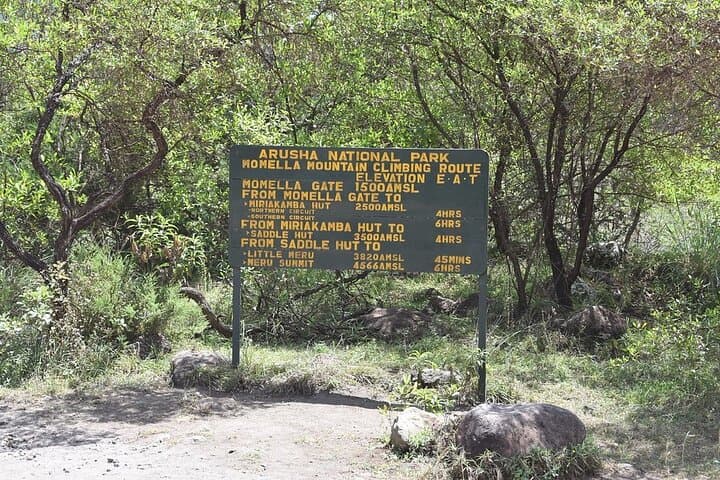
Dawn breaks on Mount Meru with the forest breathing mist into the trail; headlamps dim as porters stoke a small breakfast fire and the path climbs into a column of moss-draped trees. The first day walks from Momella Gate through montane forest where colobus monkeys and buffalo move like comments in the margin, and waterfalls spill down gullies daring you to pause.
Verified experiences and guided adventures in the surrounding area.
Operated by Kiliclimb Africa Safaris · Arusha, Arusha Region
Dawn breaks on Mount Meru with the forest breathing mist into the trail; headlamps dim as porters stoke a small breakfast fire and the path climbs into a column of moss-draped trees. The first day walks from Momella Gate through montane forest where colobus monkeys and buffalo move like comments in the margin, and waterfalls spill down gullies daring you to pause.
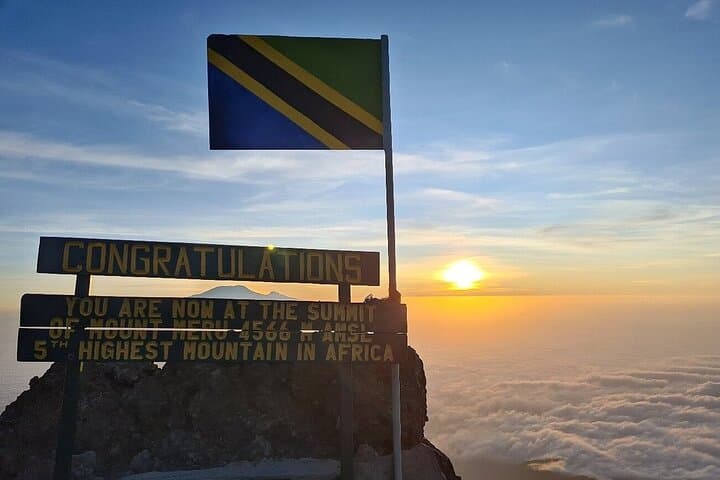
Geologically Meru is a stratovolcano—a collapsed crater rims the upper amphitheater and Socialist Peak (4,566 m) gives a raw volcanic profile with sweeping views toward Kilimanjaro. Culturally the slopes sit in Maasai country and around Arusha, with local guides carrying stories of past eruptions and traditional land use. Wildlife is a thread through the hike: turacos in the heather, giraffes on the lower plains, and nocturnal species calling as the group settles into Miriakamba and Saddle Huts.
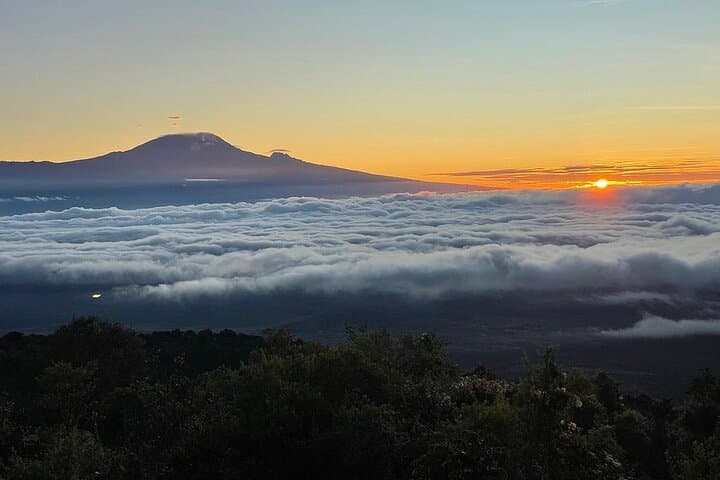
Practically, the route is a four-day, hut-based climb with a midnight summit push that rewards sunrise views of Kilimanjaro’s snowcap. Terrain shifts from packed forest tracks to open moorland and steep scree near Rhino and Cobra Points—expect long, steady ascents and technical non-technical scrambling on loose rock. Acclimatization is built into the itinerary; move deliberately, hydrate, and use the afternoon to rest or take short acclimatization walks to Little Meru.
Plan for variable weather: strong sun below tree line, biting wind above 3,500 m, and cold nights in the huts. Essentials are sturdy boots, layered insulation, a reliable headlamp for the summit push, and respect for altitude—turn back early on symptoms of AMS. With careful pacing, this route is a quieter, wildlife-rich alternative to Kilimanjaro and a practical acclimatization climb for summiteers.
challenging.
4 days.
Good cardiovascular fitness and experience with long days of hiking at altitude; comfortable carrying a daypack and walking 6–8 hours on summit day.
No technical climbing experience is required, but prior multi-day hiking experience and good cardiovascular fitness help; the itinerary includes acclimatization to reduce altitude sickness risk.
Trek registration and park fees are handled at Momella Gate where guides register the group; the operator typically includes these logistics in the booking.
Temperatures near the summit can drop below freezing with strong winds—bring an insulated jacket, warm hat, and thermal layers.
Huts like Miriakamba and Saddle are basic communal mountain huts with bunks and shared facilities; expect simple meals and sleeping arrangements with a trekking team supporting logistics.
Mount Meru has volcanic origins and its peaks and crater are part of the Rift Valley’s geologic story; the area has long been used by local Maasai communities and park rangers for conservation efforts.
Stick to established trails and huts to limit erosion and vegetation damage; local guides work with national park authorities to minimize campfire use and protect sensitive highland moorland.
Kiliclimb Africa Safaris operates guided outdoor trips and adventures with an emphasis on safety, stewardship, and memorable experiences.
Dawn breaks on Mount Meru with the forest breathing mist into the trail; headlamps dim as porters stoke a small breakfast fire and the path climbs into a column of moss-draped trees. The first day walks from Momella Gate through montane forest where colobus monkeys and buffalo move like comments in the margin, and waterfalls spill down gullies daring you to pause.
Dawn breaks on Mount Meru with the forest breathing mist into the trail; headlamps dim as porters stoke a small breakfast fire and the path climbs into a column of moss-draped trees. The first day walks from Momella Gate through montane forest where colobus monkeys and buffalo move like comments in the margin, and waterfalls spill down gullies daring you to pause.
Geologically Meru is a stratovolcano—a collapsed crater rims the upper amphitheater and Socialist Peak (4,566 m) gives a raw volcanic profile with sweeping views toward Kilimanjaro. Culturally the slopes sit in Maasai country and around Arusha, with local guides carrying stories of past eruptions and traditional land use. Wildlife is a thread through the hike: turacos in the heather, giraffes on the lower plains, and nocturnal species calling as the group settles into Miriakamba and Saddle Huts.
Practically, the route is a four-day, hut-based climb with a midnight summit push that rewards sunrise views of Kilimanjaro’s snowcap. Terrain shifts from packed forest tracks to open moorland and steep scree near Rhino and Cobra Points—expect long, steady ascents and technical non-technical scrambling on loose rock. Acclimatization is built into the itinerary; move deliberately, hydrate, and use the afternoon to rest or take short acclimatization walks to Little Meru.
Plan for variable weather: strong sun below tree line, biting wind above 3,500 m, and cold nights in the huts. Essentials are sturdy boots, layered insulation, a reliable headlamp for the summit push, and respect for altitude—turn back early on symptoms of AMS. With careful pacing, this route is a quieter, wildlife-rich alternative to Kilimanjaro and a practical acclimatization climb for summiteers.