THE ADVENTURE COLLECTIVE® · Independent discovery and booking for outdoor travel

A four-day ascent of Mount Meru offers a technical ridge, dawn summit views of Kilimanjaro and wildlife on the lower slopes. This trek is widely used for acclimatization before Kilimanjaro and requires an armed ranger and hut stays.
A four-day ascent of Mount Meru offers a technical ridge, dawn summit views of Kilimanjaro and wildlife on the lower slopes. This trek is widely used for acclimatization before Kilimanjaro and requires an armed ranger and hut stays.
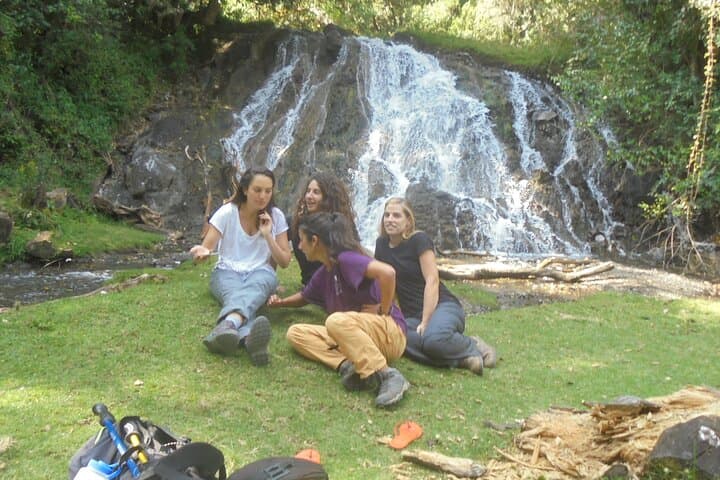
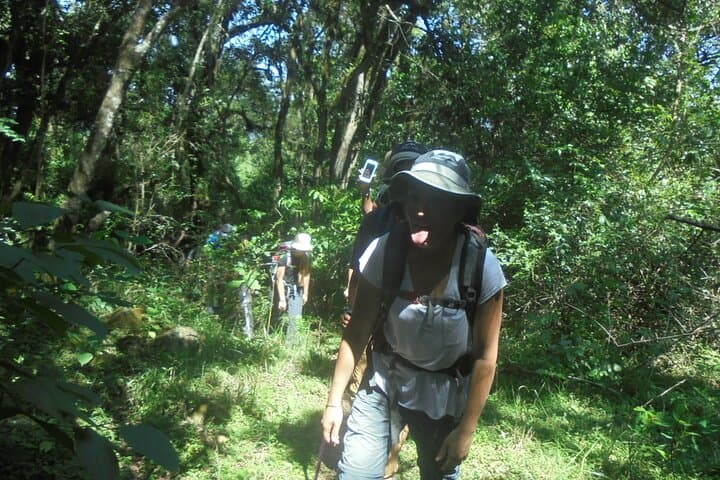
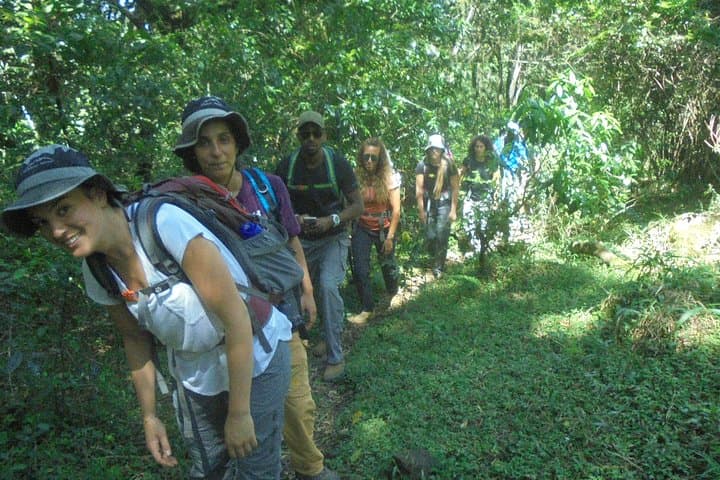
You set out before dawn from Momela Gate, the forest breathing cool air up the trail as an armed ranger falls into step beside you. Lower slopes open into a savanna edge where antelope and the occasional elephant graze; higher, the path tightens into moss-draped montane forest and then peels into moorland that scrapes the sky.
Verified experiences and guided adventures in the surrounding area.
Operated by KILIMANJARO CLIMBING TOURS · Arusha, Arusha Region
You set out before dawn from Momela Gate, the forest breathing cool air up the trail as an armed ranger falls into step beside you. Lower slopes open into a savanna edge where antelope and the occasional elephant graze; higher, the path tightens into moss-draped montane forest and then peels into moorland that scrapes the sky.
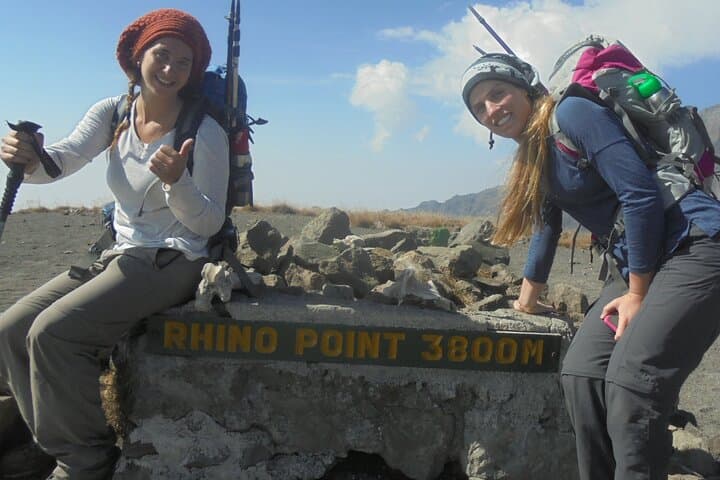
Mount Meru is a live volcanic cone sitting inside Arusha National Park, its crater rim carved by eruptions and glacial action long before humans mapped the region. The mountain’s geology creates abrupt ridgelines — the ascent follows a dramatic north rim toward Rhino Point and Cobra Point, then a final narrow spine to the summit at 4,565 m. Local Maasai and Meru communities historically used lower slopes for grazing; today the park and rangers balance access with wildlife protection.
Expect wildlife sightings on the lower days (giraffe, buffalo, elephants) and a guide who knows both the terrain and permitting rules — climbers must ascend with an armed ranger and use designated huts like Miriakamba and Saddle Huts. The summit push begins around 1:30 a.m.; sunrise from the crater rim often reveals Kilimanjaro looming over a sea of clouds.
Practical notes: the trek covers roughly 30–35 km over four days with a summit day of 10–12 hours; altitude is the key challenge. Bring layered insulation for alpine wind, a reliable headlamp for the pre-dawn climb, sturdy boots with good ankle support and a hydration system. Pace yourself on day two to acclimatize; the route rewards patience with crisp crater views and the chance to climb Kilimanjaro with your eyes.
challenging.
4 days (approx.).
Good aerobic fitness with experience on multi‑day hikes; ability to endure a 10–12 hour summit day and elevations above 4,000 m.
Yes — climbs within Arusha National Park require an armed ranger; the operator provides experienced guides and crew.
The route is challenging mainly due to altitude and a long summit day; solid aerobic fitness and multi‑day hiking experience are recommended.
Trekkers sleep in designated mountain huts (Miriakamba, Saddle Hut) on the route; expect basic shared bunks and communal meals.
Dry months (January–March and June–October) offer more stable weather and clearer summit views, though conditions can change rapidly at altitude.
Meru sits within Arusha National Park; local Meru and Maasai communities historically used the surrounding plains for grazing and trade routes, and British-era explorers documented the mountain in the early 20th century.
Climbing is managed through permits and ranger escorts to minimize disturbance; stick to established trails, avoid fires and pack out waste to protect fragile alpine habitats.
KILIMANJARO CLIMBING TOURS operates guided outdoor trips and adventures with an emphasis on safety, stewardship, and memorable experiences.
You set out before dawn from Momela Gate, the forest breathing cool air up the trail as an armed ranger falls into step beside you. Lower slopes open into a savanna edge where antelope and the occasional elephant graze; higher, the path tightens into moss-draped montane forest and then peels into moorland that scrapes the sky.
You set out before dawn from Momela Gate, the forest breathing cool air up the trail as an armed ranger falls into step beside you. Lower slopes open into a savanna edge where antelope and the occasional elephant graze; higher, the path tightens into moss-draped montane forest and then peels into moorland that scrapes the sky.
Mount Meru is a live volcanic cone sitting inside Arusha National Park, its crater rim carved by eruptions and glacial action long before humans mapped the region. The mountain’s geology creates abrupt ridgelines — the ascent follows a dramatic north rim toward Rhino Point and Cobra Point, then a final narrow spine to the summit at 4,565 m. Local Maasai and Meru communities historically used lower slopes for grazing; today the park and rangers balance access with wildlife protection.
Expect wildlife sightings on the lower days (giraffe, buffalo, elephants) and a guide who knows both the terrain and permitting rules — climbers must ascend with an armed ranger and use designated huts like Miriakamba and Saddle Huts. The summit push begins around 1:30 a.m.; sunrise from the crater rim often reveals Kilimanjaro looming over a sea of clouds.
Practical notes: the trek covers roughly 30–35 km over four days with a summit day of 10–12 hours; altitude is the key challenge. Bring layered insulation for alpine wind, a reliable headlamp for the pre-dawn climb, sturdy boots with good ankle support and a hydration system. Pace yourself on day two to acclimatize; the route rewards patience with crisp crater views and the chance to climb Kilimanjaro with your eyes.