THE ADVENTURE COLLECTIVE® · Independent discovery and booking for outdoor travel

A four‑day climb up Tanzania’s Mount Meru that moves from forested lowlands to a windswept volcanic summit at 4,566 m. Ideal as a challenging acclimatization trek before Kilimanjaro, the route combines wildlife, steep terrain, and overnight huts or camps.
A four‑day climb up Tanzania’s Mount Meru that moves from forested lowlands to a windswept volcanic summit at 4,566 m. Ideal as a challenging acclimatization trek before Kilimanjaro, the route combines wildlife, steep terrain, and overnight huts or camps.
You step out of the park gate into high, dry grass and the first band of forest — Mount Meru’s lower slopes swallow the horizon and the trail quickly tilts upward. For four days you move from humid acacia and the chatter of colobus monkeys, through erica and alpine heath, to the wind‑bitten saddle that frames the volcanic summit at 4,566 m.
Verified experiences and guided adventures in the surrounding area.
Operated by Golden Summit Adventures · Arusha, Arusha Region
You step out of the park gate into high, dry grass and the first band of forest — Mount Meru’s lower slopes swallow the horizon and the trail quickly tilts upward. For four days you move from humid acacia and the chatter of colobus monkeys, through erica and alpine heath, to the wind‑bitten saddle that frames the volcanic summit at 4,566 m.
Mount Meru sits inside Arusha National Park, a compact reserve known for accessible big‑game viewing and the broad Momella Lakes. Geologically it’s a stratovolcano with an impressive crater and ash cone; the climb’s routes work around lava flows and steep scree. Local Maasai and Meru communities have long used the mountain’s foothills for grazing, and guides sometimes share oral histories — including older claims that link the peak to ancient flood legends.
Unlike Kilimanjaro, Meru’s trails are steeper and wilder, and climbers are accompanied by an armed ranger for safety where buffalo and large ungulates roam. The usual 4‑day itinerary (Momella Gate to Miriakamba Hut and onward) lets trekkers gain altitude gradually, serving as practical acclimatization before higher peaks.
Practical guidance: expect several thousand meters of total ascent across mixed terrain; bring layered insulation for cold summit nights, a waterproof shell for equatorial rains, and headlamp for early starts. Operators typically include meals and camping or hut support and provide porters. Not recommended for those with heart, spinal, or pregnancy restrictions. Aim for the drier months for more stable weather and allow time to acclimatize — patience on the slopes pays off in clearer summit views and safer trekking.
challenging.
4 days.
Good aerobic fitness with prior trekking experience; ability to walk 6–8 hours on steep, uneven ground for multiple days.
Yes — entry and climbing permits are required through Arusha National Park and are normally arranged by the operator as part of the booking.
Meru is steeper and wilder, with less commercial infrastructure; it’s shorter and frequently used for acclimatization before Kili due to its significant vertical gain.
Most operators include guides, porters, and an armed ranger for safety on lower slopes; confirm porter ratios and tipping policies when booking.
Not recommended for pregnant travelers or those with cardiovascular or serious spinal conditions; moderate fitness is required and altitude risks should be discussed with a doctor.
Mount Meru crowns Arusha National Park and has cultural significance to local communities; older accounts have even suggested links to flood legends in the region.
Climb with an operator that follows park rules to minimize erosion and waste; stick to established trails and carry out non‑biodegradable trash to protect fragile alpine flora.
Golden Summit Adventures operates guided outdoor trips and adventures with an emphasis on safety, stewardship, and memorable experiences.
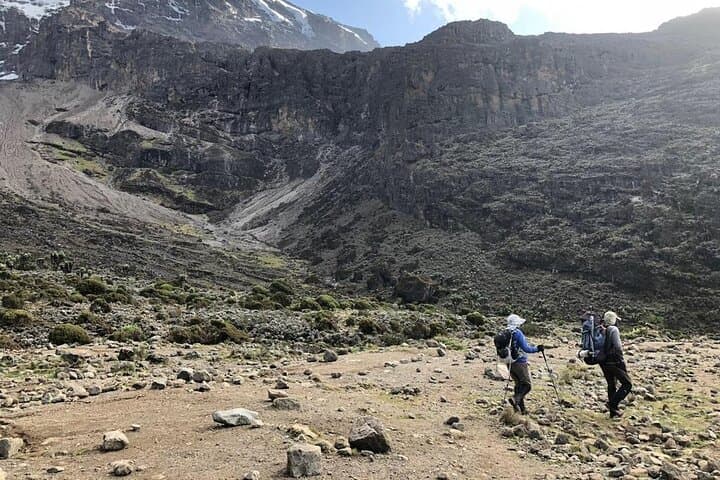

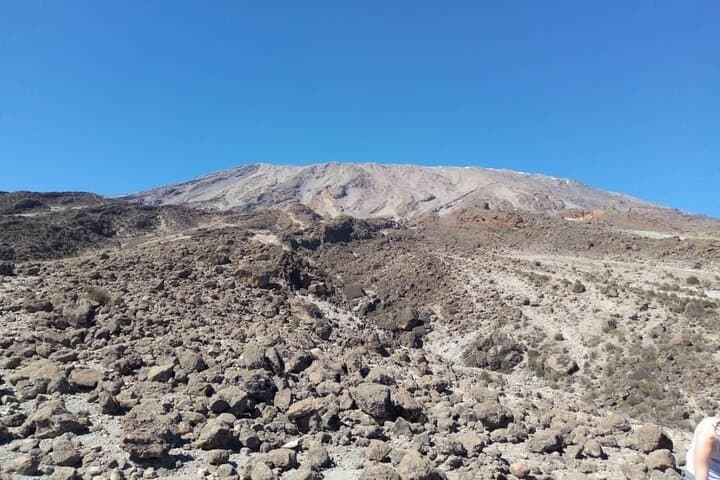
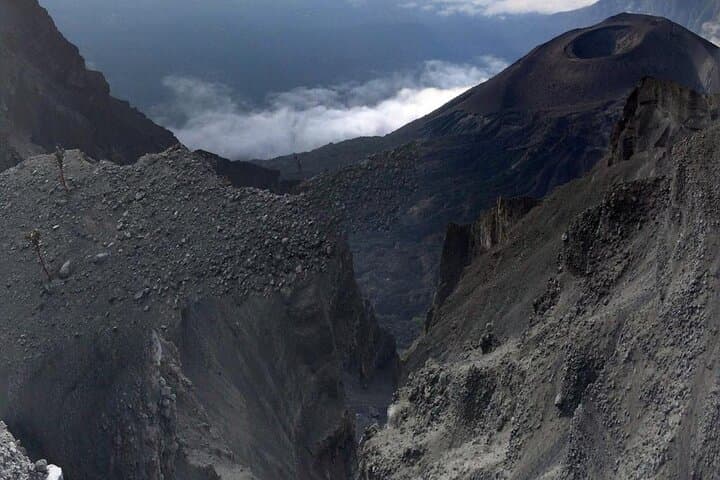
You step out of the park gate into high, dry grass and the first band of forest — Mount Meru’s lower slopes swallow the horizon and the trail quickly tilts upward. For four days you move from humid acacia and the chatter of colobus monkeys, through erica and alpine heath, to the wind‑bitten saddle that frames the volcanic summit at 4,566 m.
You step out of the park gate into high, dry grass and the first band of forest — Mount Meru’s lower slopes swallow the horizon and the trail quickly tilts upward. For four days you move from humid acacia and the chatter of colobus monkeys, through erica and alpine heath, to the wind‑bitten saddle that frames the volcanic summit at 4,566 m.
Mount Meru sits inside Arusha National Park, a compact reserve known for accessible big‑game viewing and the broad Momella Lakes. Geologically it’s a stratovolcano with an impressive crater and ash cone; the climb’s routes work around lava flows and steep scree. Local Maasai and Meru communities have long used the mountain’s foothills for grazing, and guides sometimes share oral histories — including older claims that link the peak to ancient flood legends.
Unlike Kilimanjaro, Meru’s trails are steeper and wilder, and climbers are accompanied by an armed ranger for safety where buffalo and large ungulates roam. The usual 4‑day itinerary (Momella Gate to Miriakamba Hut and onward) lets trekkers gain altitude gradually, serving as practical acclimatization before higher peaks.
Practical guidance: expect several thousand meters of total ascent across mixed terrain; bring layered insulation for cold summit nights, a waterproof shell for equatorial rains, and headlamp for early starts. Operators typically include meals and camping or hut support and provide porters. Not recommended for those with heart, spinal, or pregnancy restrictions. Aim for the drier months for more stable weather and allow time to acclimatize — patience on the slopes pays off in clearer summit views and safer trekking.