THE ADVENTURE COLLECTIVE® · Independent discovery and booking for outdoor travel

A compact, high-altitude trek on Mount Kenya’s Sirimon Route, this four-day itinerary climbs to Point Lenana for a dramatic alpine sunrise. Expect forested lower slopes, moorland ridges, and steep scree—prepare for altitude and cold nights.
A compact, high-altitude trek on Mount Kenya’s Sirimon Route, this four-day itinerary climbs to Point Lenana for a dramatic alpine sunrise. Expect forested lower slopes, moorland ridges, and steep scree—prepare for altitude and cold nights.
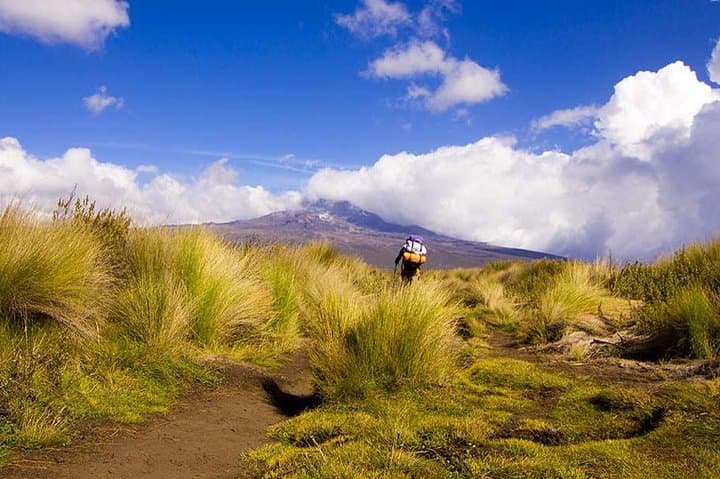
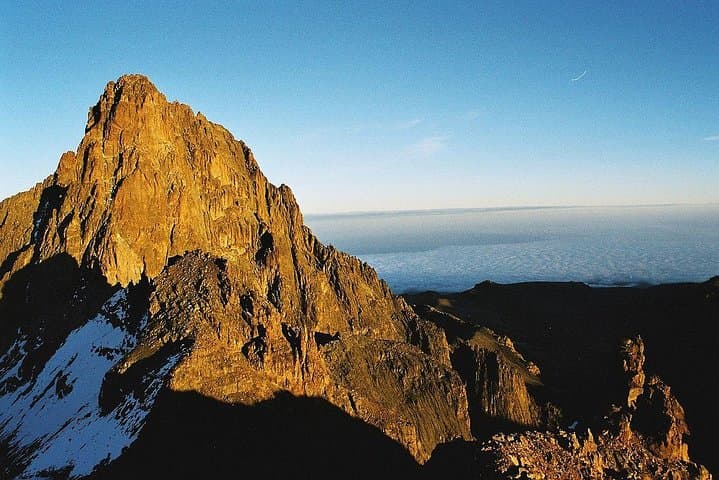
Dawn on Mount Kenya arrives with a thin, cold light that pries open the ridgelines and throws long shadows across the moorland. On this four-day Sirimon-route trek you’ll begin under the canopy of bamboo and rosewood, climb into heather and lobelia gardens, and make a pre-dawn push onto the scree to reach Point Lenana (4,985 m) for a sunrise that can show Kilimanjaro on a clear morning.
Verified experiences and guided adventures in the surrounding area.
Operated by Africa Tours · Nanyuki, Laikipia County
Dawn on Mount Kenya arrives with a thin, cold light that pries open the ridgelines and throws long shadows across the moorland. On this four-day Sirimon-route trek you’ll begin under the canopy of bamboo and rosewood, climb into heather and lobelia gardens, and make a pre-dawn push onto the scree to reach Point Lenana (4,985 m) for a sunrise that can show Kilimanjaro on a clear morning.
The Sirimon Route follows the mountain’s drier northwest flank, historically used by local pastoralists and explorers who mapped Kenya’s high peaks in the early 20th century. Geologically, Mount Kenya is a heavily eroded stratovolcano; its granite peaks and deep glacial valleys create dramatic contrasts between forested lower slopes and alpine moorland. Culturally the massif is sacred to the Kikuyu and Embu peoples, and trails pass through lands with living pastoral traditions around Nanyuki.
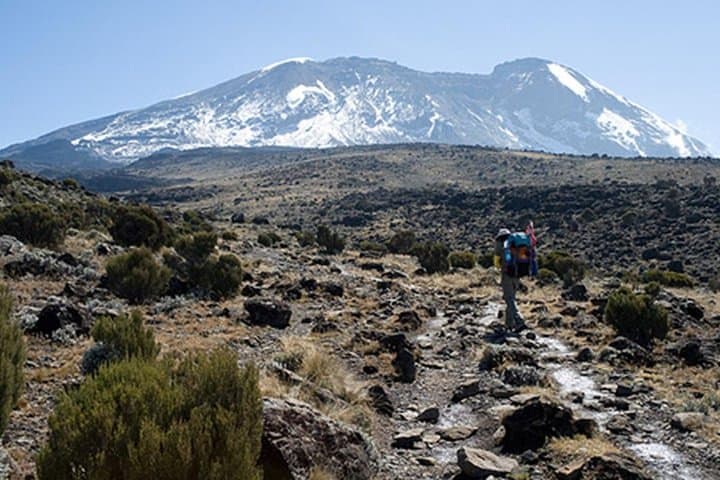
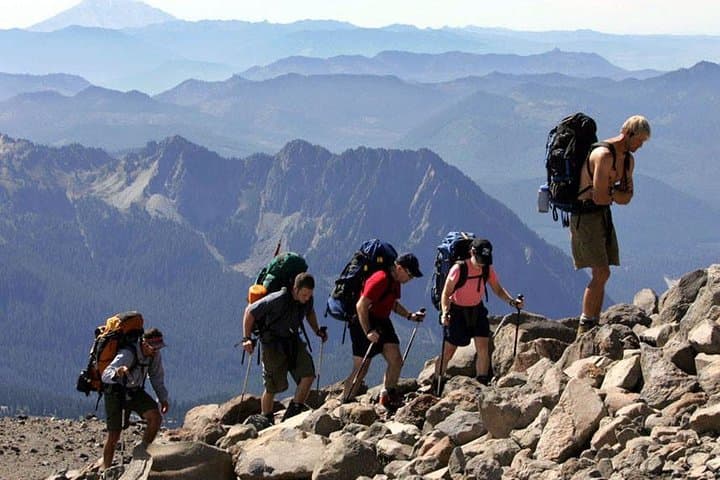
Expect varied terrain: packed dirt and roots in the forest, tussock moorland, and steep scree near the summit. Nights are spent in mountain huts or basic camps; mornings and evenings are bitterly cold at high camp. Practical planning matters: prioritize acclimatization, carry layered clothing, and budget time for slow, steady uphill walking. Hydrate, eat regularly, and use trekking poles on steep descents to protect knees.
This itinerary is a high-altitude trek rather than technical climbing, but altitude and weather are the real challenges—plan for an extra acclimatization day if possible, and consult guides about current conditions before you go.
challenging.
3–5 days.
Good aerobic fitness with experience on multi-day hikes; ability to carry a daypack for long uphill sections and move steadily at altitude.
No—Point Lenana is a non-technical trekking summit; crampons and ropes are not required on standard Sirimon route in normal conditions.
The drier months (January–March and July–October) offer more stable weather, but guided treks run year-round; expect colder, wetter conditions during rainy seasons.
Yes—entrance fees and trekking permits for Mount Kenya National Park are required and are typically arranged by your operator or guide as part of the package.
Altitude is the main risk—Point Lenana approaches 5,000 m, so symptoms can occur; paced ascents, hydration, and an extra acclimatization day greatly reduce risk.
Explorers and botanists began mapping Mount Kenya in the early 1900s; the mountain remains culturally significant for local Kikuyu and Embu communities.
Mount Kenya National Park protects fragile alpine habitats and endemic plants; stick to established trails, minimize campfire use, and follow guide instructions to reduce erosion and disturbance.
Africa Tours operates guided outdoor trips and adventures with an emphasis on safety, stewardship, and memorable experiences.
Dawn on Mount Kenya arrives with a thin, cold light that pries open the ridgelines and throws long shadows across the moorland. On this four-day Sirimon-route trek you’ll begin under the canopy of bamboo and rosewood, climb into heather and lobelia gardens, and make a pre-dawn push onto the scree to reach Point Lenana (4,985 m) for a sunrise that can show Kilimanjaro on a clear morning.
Dawn on Mount Kenya arrives with a thin, cold light that pries open the ridgelines and throws long shadows across the moorland. On this four-day Sirimon-route trek you’ll begin under the canopy of bamboo and rosewood, climb into heather and lobelia gardens, and make a pre-dawn push onto the scree to reach Point Lenana (4,985 m) for a sunrise that can show Kilimanjaro on a clear morning.
The Sirimon Route follows the mountain’s drier northwest flank, historically used by local pastoralists and explorers who mapped Kenya’s high peaks in the early 20th century. Geologically, Mount Kenya is a heavily eroded stratovolcano; its granite peaks and deep glacial valleys create dramatic contrasts between forested lower slopes and alpine moorland. Culturally the massif is sacred to the Kikuyu and Embu peoples, and trails pass through lands with living pastoral traditions around Nanyuki.
Expect varied terrain: packed dirt and roots in the forest, tussock moorland, and steep scree near the summit. Nights are spent in mountain huts or basic camps; mornings and evenings are bitterly cold at high camp. Practical planning matters: prioritize acclimatization, carry layered clothing, and budget time for slow, steady uphill walking. Hydrate, eat regularly, and use trekking poles on steep descents to protect knees.
This itinerary is a high-altitude trek rather than technical climbing, but altitude and weather are the real challenges—plan for an extra acclimatization day if possible, and consult guides about current conditions before you go.