THE ADVENTURE COLLECTIVE® · Independent discovery and booking for outdoor travel

A fast, classic route to Point Lenana, the Naro Moru approach packs dramatic altitude gain and glacier views into a four-day push. This guide explains what to expect on the trail, logistics, and how to prepare for cold, high-altitude hiking.
A fast, classic route to Point Lenana, the Naro Moru approach packs dramatic altitude gain and glacier views into a four-day push. This guide explains what to expect on the trail, logistics, and how to prepare for cold, high-altitude hiking.
You leave Nairobi before dawn and the road east unspools toward the mountain, a great gray mass rising out of highland farms. By the gate the forest presses close, and the path immediately begins to climb—roots and stones, then heath and moorland opening into wide valleys that make the peaks look inevitable. The final approach to Point Lenana is an alpine push that greets you with thin air and a sunrise that pries light across the Lewis Glacier and Teleki Valley.
Verified experiences and guided adventures in the surrounding area.
Operated by Shagami Kenya Tours and Safaris · Naro Moru, Nyeri County
You leave Nairobi before dawn and the road east unspools toward the mountain, a great gray mass rising out of highland farms. By the gate the forest presses close, and the path immediately begins to climb—roots and stones, then heath and moorland opening into wide valleys that make the peaks look inevitable. The final approach to Point Lenana is an alpine push that greets you with thin air and a sunrise that pries light across the Lewis Glacier and Teleki Valley.
Mount Kenya is an ancient volcanic massif shaped by glaciers; its cliffs and tarns record long cycles of uplift and ice. The Naro Moru (and nearby Sirimon) corridors have been the fastest, most direct ways for climbers and guides since the colonial era, used by pastoral Kikuyu and later by British climbers in the early 20th century. Local culture centers on Nanyuki and Naro Moru towns—simple staging points where gear is checked and porters join the trek.
Practical guidance: this is a four-day, non-technical but high-altitude trek—expect long days (6–10 hours), steep boggy sections and cold nights at camp. Hydrate and pace on ascents; the hardest push begins pre-dawn to catch sunrise at Point Lenana. Wear sturdy, broken-in boots and layered insulation for sub-zero summit winds. The itinerary includes hut or tent accommodation, treated water, meals and transfers; success depends on altitude management rather than technical skill. Leave no trace, respect local staff and plan for variable weather—Mount Kenya shifts quickly and will test both legs and planning.
challenging.
4 days (daily 2–10 hours).
Good cardiovascular fitness, experience with multi-day backpacking and comfort walking on steep, uneven terrain at altitude
No technical climbing gear is required for the Naro Moru route to Point Lenana; the route is a strenuous trek though some sections are steep and rocky.
Temperatures at Point Lenana can drop below -5°C (23°F) with wind chill, so bring insulated layers, gloves and a warm hat.
A guide is strongly recommended for navigation, altitude management and safety; porters are commonly hired to carry tents and supplies.
Descents are long and can be hard on knees due to scree and steep pitches—use poles and descend slowly to avoid injury.
Mount Kenya served as a landmark and spiritual site for local Kikuyu communities and was later surveyed and climbed by early 20th-century European mountaineers.
Mount Kenya National Park protects fragile alpine ecosystems—stick to trails, avoid camping above designated sites and support local guides to minimize impact.
Shagami Kenya Tours and Safaris operates guided outdoor trips and adventures with an emphasis on safety, stewardship, and memorable experiences.
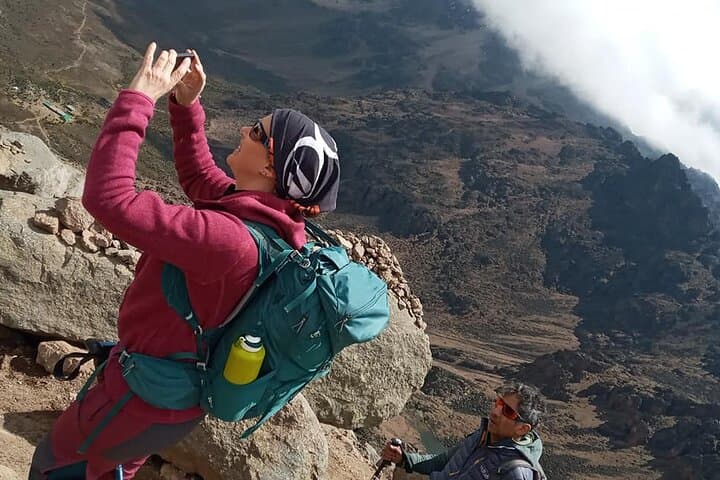
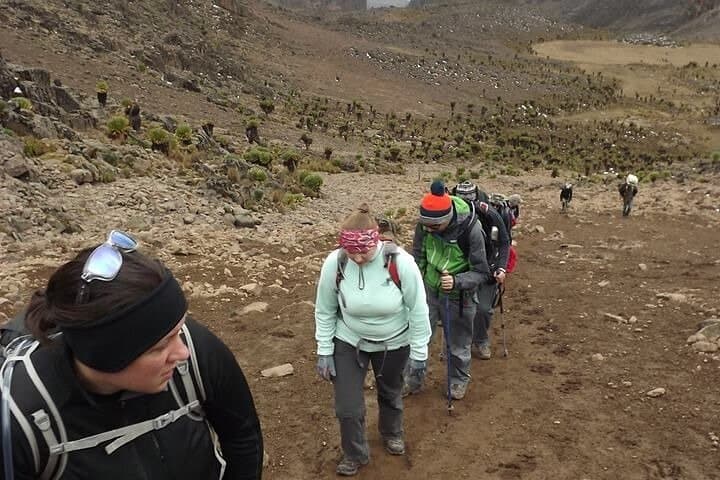
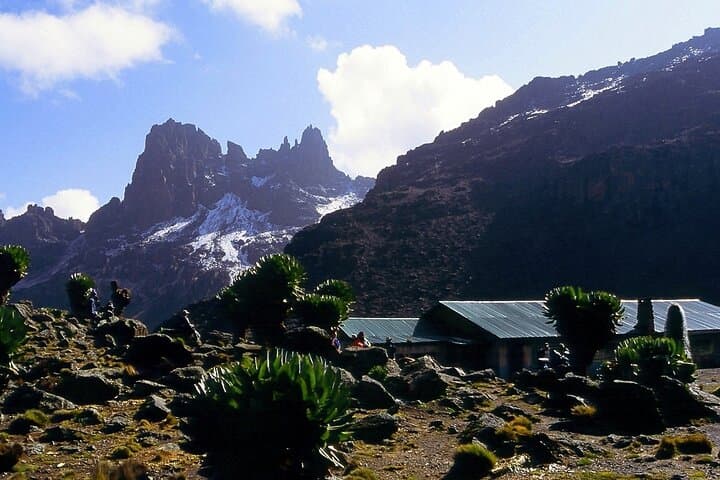
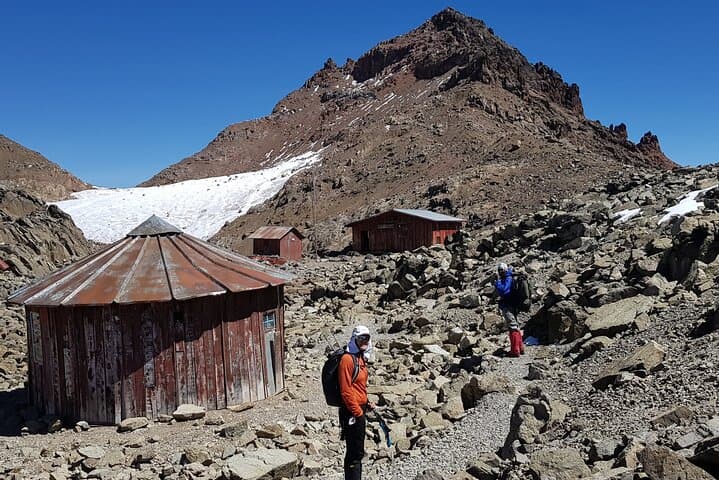
You leave Nairobi before dawn and the road east unspools toward the mountain, a great gray mass rising out of highland farms. By the gate the forest presses close, and the path immediately begins to climb—roots and stones, then heath and moorland opening into wide valleys that make the peaks look inevitable. The final approach to Point Lenana is an alpine push that greets you with thin air and a sunrise that pries light across the Lewis Glacier and Teleki Valley.
You leave Nairobi before dawn and the road east unspools toward the mountain, a great gray mass rising out of highland farms. By the gate the forest presses close, and the path immediately begins to climb—roots and stones, then heath and moorland opening into wide valleys that make the peaks look inevitable. The final approach to Point Lenana is an alpine push that greets you with thin air and a sunrise that pries light across the Lewis Glacier and Teleki Valley.
Mount Kenya is an ancient volcanic massif shaped by glaciers; its cliffs and tarns record long cycles of uplift and ice. The Naro Moru (and nearby Sirimon) corridors have been the fastest, most direct ways for climbers and guides since the colonial era, used by pastoral Kikuyu and later by British climbers in the early 20th century. Local culture centers on Nanyuki and Naro Moru towns—simple staging points where gear is checked and porters join the trek.
Practical guidance: this is a four-day, non-technical but high-altitude trek—expect long days (6–10 hours), steep boggy sections and cold nights at camp. Hydrate and pace on ascents; the hardest push begins pre-dawn to catch sunrise at Point Lenana. Wear sturdy, broken-in boots and layered insulation for sub-zero summit winds. The itinerary includes hut or tent accommodation, treated water, meals and transfers; success depends on altitude management rather than technical skill. Leave no trace, respect local staff and plan for variable weather—Mount Kenya shifts quickly and will test both legs and planning.