THE ADVENTURE COLLECTIVE® · Independent discovery and booking for outdoor travel

Hike an active Virunga volcano to a crater lake, then cross into Bwindi’s ancient forest to spend an hour with mountain gorillas. This four-day route pairs strenuous mountain hiking with unpredictable, intimate wildlife encounters.
Hike an active Virunga volcano to a crater lake, then cross into Bwindi’s ancient forest to spend an hour with mountain gorillas. This four-day route pairs strenuous mountain hiking with unpredictable, intimate wildlife encounters.
Dawn lifts over steep ridgelines as you leave Kigali’s quiet streets and climb toward the Virunga spines — sweaty, close, and alive. The trail to Mount Bisoke begins in highland forest where bamboo and ericaceous scrub push against your legs; the crater lake at the summit waits like a blue coin, daring you the final steep steps. Days later, the forest of Bwindi closes in differently: darker, wetter, and threaded with vines, where a single gorilla family can alter a morning with a slow, deliberate stare.
Verified experiences and guided adventures in the surrounding area.
Operated by Frena Adventures · Musanze, Northern Province
Dawn lifts over steep ridgelines as you leave Kigali’s quiet streets and climb toward the Virunga spines — sweaty, close, and alive. The trail to Mount Bisoke begins in highland forest where bamboo and ericaceous scrub push against your legs; the crater lake at the summit waits like a blue coin, daring you the final steep steps. Days later, the forest of Bwindi closes in differently: darker, wetter, and threaded with vines, where a single gorilla family can alter a morning with a slow, deliberate stare.
Geology here is the story of the Albertine Rift — volcanic peaks born of tectonic strain. Mount Bisoke is part of the Virunga chain, its crater lake formed in cyclical eruptions. Bwindi’s ancient rainforest sits on older uplifted terrain and supports half the world’s mountain gorilla population; local communities have long balanced subsistence farming with guardianship of the forest.
Practical guidance: the Bisoke hike is a full-day trek with steep, often muddy slopes and ~1,000–1,200 m cumulative elevation gain depending on your start; plan 5–8 hours round-trip. Gorilla trekking in Bwindi is variable — expect 2–8 hours of tracking on uneven, sometimes swampy trails; the actual tracking time is unpredictable. Bring waterproof layers, sturdy boots with ankle support, gaiters, and a small daypack. Hydrate and pace uphill; hire a porter for heavier packs and respect gorilla rules at the briefing (no flash photos, keep distance, don’t go if you’re ill).
This itinerary stitches active hiking with world-class wildlife viewing — intense, intimate, and logistically border-crossing, so passport readiness and flexible stamina are non-negotiable.
challenging.
4 days.
Good cardiovascular fitness and leg endurance; comfortable with sustained uphill hiking and uneven terrain.
Expect 5–8 hours round-trip depending on fitness and trail conditions; plan for steep, muddy sections and a final climb to the crater rim.
Yes—gorilla permits are required and tightly limited; book well in advance through the official authorities or your tour operator.
Not recommended for very young children or those with limited mobility or serious spinal/cardiac conditions; moderate to good fitness is required.
In the Virungas you may spot golden monkeys and various bird species; in Bwindi expect forest birds, duikers, and small primates.
The Virunga Mountains are part of the Albertine Rift’s volcanic chain; Bwindi’s forest is ecologically ancient and culturally important to Batwa and Bakiga communities.
Gorilla tourism funds conservation and community projects—follow strict park rules, minimize disturbance, and support local guides and enterprises.
Frena Adventures operates guided outdoor trips and adventures with an emphasis on safety, stewardship, and memorable experiences.
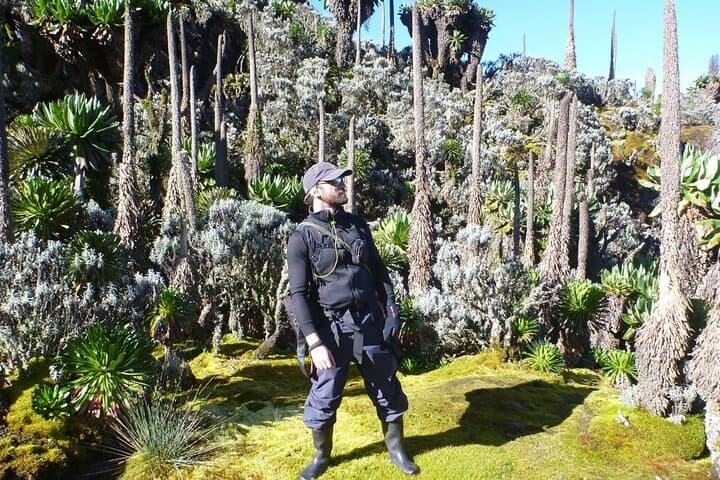
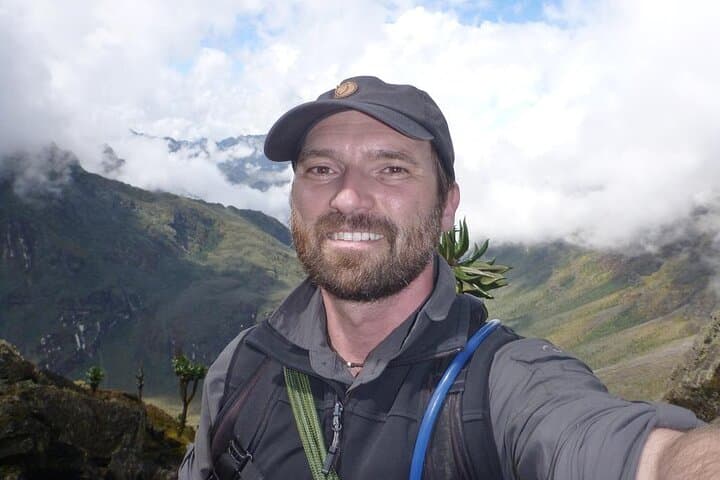
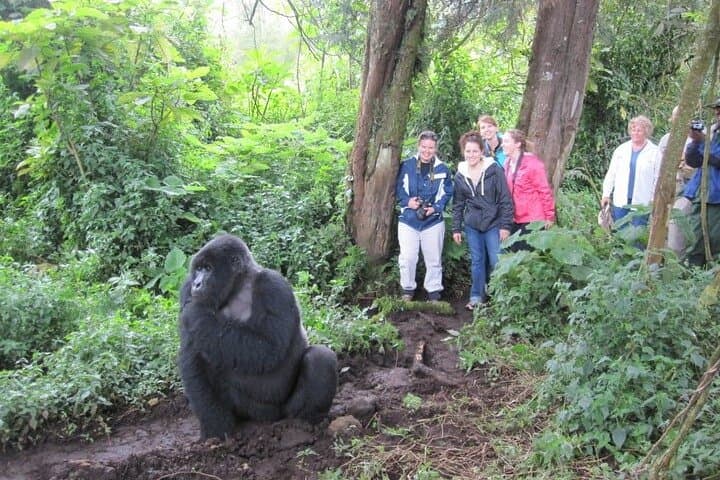
Dawn lifts over steep ridgelines as you leave Kigali’s quiet streets and climb toward the Virunga spines — sweaty, close, and alive. The trail to Mount Bisoke begins in highland forest where bamboo and ericaceous scrub push against your legs; the crater lake at the summit waits like a blue coin, daring you the final steep steps. Days later, the forest of Bwindi closes in differently: darker, wetter, and threaded with vines, where a single gorilla family can alter a morning with a slow, deliberate stare.
Dawn lifts over steep ridgelines as you leave Kigali’s quiet streets and climb toward the Virunga spines — sweaty, close, and alive. The trail to Mount Bisoke begins in highland forest where bamboo and ericaceous scrub push against your legs; the crater lake at the summit waits like a blue coin, daring you the final steep steps. Days later, the forest of Bwindi closes in differently: darker, wetter, and threaded with vines, where a single gorilla family can alter a morning with a slow, deliberate stare.
Geology here is the story of the Albertine Rift — volcanic peaks born of tectonic strain. Mount Bisoke is part of the Virunga chain, its crater lake formed in cyclical eruptions. Bwindi’s ancient rainforest sits on older uplifted terrain and supports half the world’s mountain gorilla population; local communities have long balanced subsistence farming with guardianship of the forest.
Practical guidance: the Bisoke hike is a full-day trek with steep, often muddy slopes and ~1,000–1,200 m cumulative elevation gain depending on your start; plan 5–8 hours round-trip. Gorilla trekking in Bwindi is variable — expect 2–8 hours of tracking on uneven, sometimes swampy trails; the actual tracking time is unpredictable. Bring waterproof layers, sturdy boots with ankle support, gaiters, and a small daypack. Hydrate and pace uphill; hire a porter for heavier packs and respect gorilla rules at the briefing (no flash photos, keep distance, don’t go if you’re ill).
This itinerary stitches active hiking with world-class wildlife viewing — intense, intimate, and logistically border-crossing, so passport readiness and flexible stamina are non-negotiable.