THE ADVENTURE COLLECTIVE® · Independent discovery and booking for outdoor travel

A compact four-day circuit from Marrakech to Casablanca that combines Atlas mountain scenery with imperial Fes, the blue alleys of Chefchaouen, and Rabat’s royal monuments. Expect scenic drives, guided city walks, and a mix of countryside and coastal atmospheres.
A compact four-day circuit from Marrakech to Casablanca that combines Atlas mountain scenery with imperial Fes, the blue alleys of Chefchaouen, and Rabat’s royal monuments. Expect scenic drives, guided city walks, and a mix of countryside and coastal atmospheres.
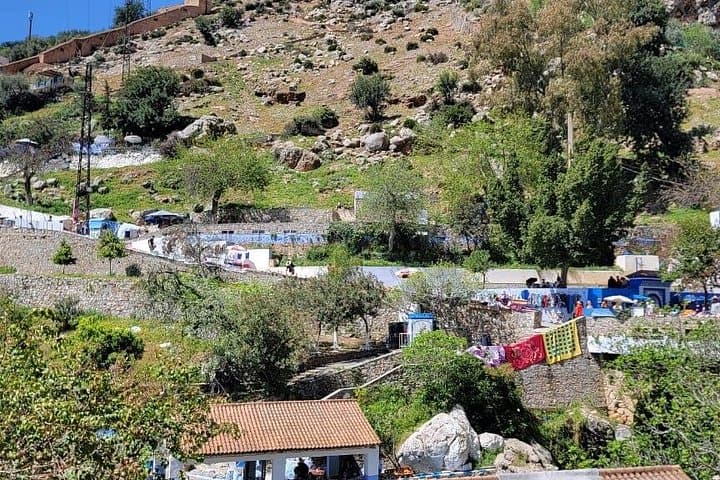
The road opens beneath a high desert sun as the first day leaves Marrakech behind, Atlas ridgelines folding into the distance. Drivers navigate hairpin passes, oaks and cultivated terraces slipping past the windows, and the Oum Rabia springs suddenly appear—water that still finds a way to cut bright ribbons through rock.
Verified experiences and guided adventures in the surrounding area.
Operated by Vita Morocco · Marrakech, Marrakech-Safi
The road opens beneath a high desert sun as the first day leaves Marrakech behind, Atlas ridgelines folding into the distance. Drivers navigate hairpin passes, oaks and cultivated terraces slipping past the windows, and the Oum Rabia springs suddenly appear—water that still finds a way to cut bright ribbons through rock.
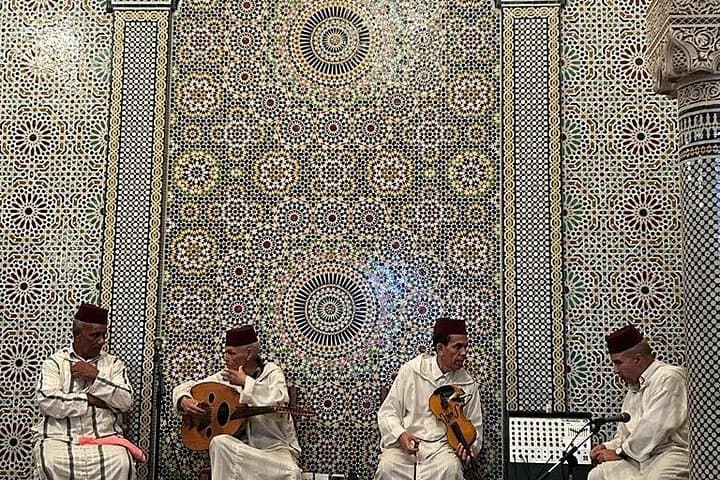
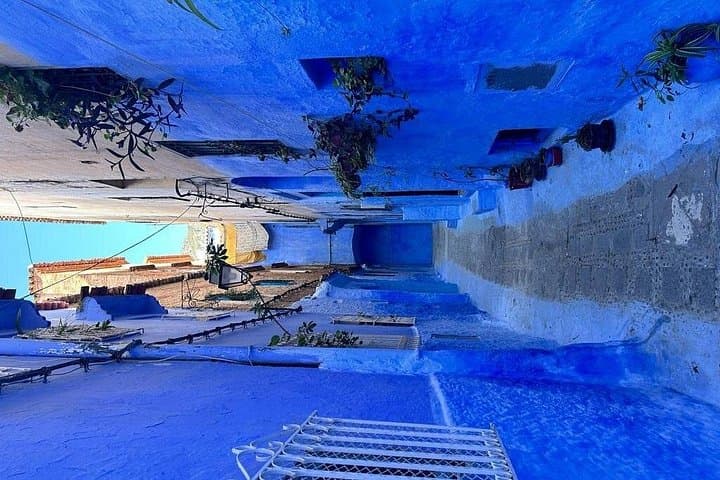
This four-day circuit threads Morocco’s imperial and coastal cities with a mountain interlude. Fes presents medieval streets and the tannery wells that have dyed leather for centuries; its medina is a living map of craft guilds and madrasa courtyards. Chefchaouen’s blue-streaked alleys sit in the Rif’s limestone folds, where geology has shaped both slope and settlement. Rabat’s Hassan Tower and the Mausoleum of Mohammed V speak to the country’s royal history, while Casablanca’s Hassan II Mosque asserts modern Morocco’s Atlantic ambitions.
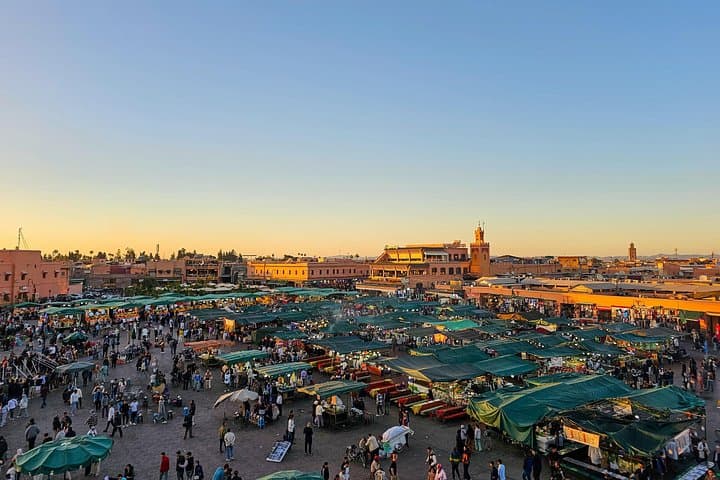
Culture here is tactile: market vendors call, spices scent the air, and local guides explain urban layouts built around trade and faith. Along the way, small cooperatives—particularly women’s argan groups—offer a direct view into rural livelihoods.
Practical guidance: pack a daypack for walks in cobbled medinas, bring cash for small purchases, and expect light walking—steps and narrow lanes demand steady shoes. Temperatures vary: mountain mornings are cool while coastal afternoons warm quickly. Travel by private vehicle keeps the pace brisk; plan extra time if you want deeper exploration in Fes or Chefchaouen.
This itinerary balances scenic drives with concentrated cultural time—ideal for travelers who want a compact but textured introduction to Morocco’s north.
easy.
4 days.
Suitable for travelers in light to average fitness—short to moderate walking on uneven urban terrain.
The itinerary includes three nights’ hotel accommodation as specified: one night in Fes, one in Chefchaouen, and one in Rabat; other nights depend on the package details.
Yes—infant seats are available and the trip is rated suitable for all fitness levels, though expect some walking in medinas and stairs in historic sites.
Yes—there’s an option to be dropped off in Casablanca at the end of day four instead of returning to Marrakech; confirm with the operator when booking.
Guides and drivers typically speak English, French, and Spanish as noted; licensed local guides are provided in Fes, Chefchaouen, and Rabat.
The route connects Morocco’s imperial past—Fes and Rabat served as political and spiritual centers—while coastal Casablanca reflects 20th-century modernization and Atlantic trade.
Small cooperatives and responsible guide practices help local economies; visitors should avoid single-use plastics, stick to marked areas, and respect fragile medina architecture to minimize impact.
Vita Morocco operates guided outdoor trips and adventures with an emphasis on safety, stewardship, and memorable experiences.
The road opens beneath a high desert sun as the first day leaves Marrakech behind, Atlas ridgelines folding into the distance. Drivers navigate hairpin passes, oaks and cultivated terraces slipping past the windows, and the Oum Rabia springs suddenly appear—water that still finds a way to cut bright ribbons through rock.
The road opens beneath a high desert sun as the first day leaves Marrakech behind, Atlas ridgelines folding into the distance. Drivers navigate hairpin passes, oaks and cultivated terraces slipping past the windows, and the Oum Rabia springs suddenly appear—water that still finds a way to cut bright ribbons through rock.
This four-day circuit threads Morocco’s imperial and coastal cities with a mountain interlude. Fes presents medieval streets and the tannery wells that have dyed leather for centuries; its medina is a living map of craft guilds and madrasa courtyards. Chefchaouen’s blue-streaked alleys sit in the Rif’s limestone folds, where geology has shaped both slope and settlement. Rabat’s Hassan Tower and the Mausoleum of Mohammed V speak to the country’s royal history, while Casablanca’s Hassan II Mosque asserts modern Morocco’s Atlantic ambitions.
Culture here is tactile: market vendors call, spices scent the air, and local guides explain urban layouts built around trade and faith. Along the way, small cooperatives—particularly women’s argan groups—offer a direct view into rural livelihoods.
Practical guidance: pack a daypack for walks in cobbled medinas, bring cash for small purchases, and expect light walking—steps and narrow lanes demand steady shoes. Temperatures vary: mountain mornings are cool while coastal afternoons warm quickly. Travel by private vehicle keeps the pace brisk; plan extra time if you want deeper exploration in Fes or Chefchaouen.
This itinerary balances scenic drives with concentrated cultural time—ideal for travelers who want a compact but textured introduction to Morocco’s north.