THE ADVENTURE COLLECTIVE® · Independent discovery and booking for outdoor travel

Spend four days in Botswana’s Savute and Chobe Riverfront with mobile tented camping, twice-daily game drives and a river boat safari. Expect long drives, close wildlife encounters—elephants, lions and buffalo—and nights around a communal fire.
Spend four days in Botswana’s Savute and Chobe Riverfront with mobile tented camping, twice-daily game drives and a river boat safari. Expect long drives, close wildlife encounters—elephants, lions and buffalo—and nights around a communal fire.
You step from the road into a hush that the bush keeps like a secret—acacia silhouettes cut against a wide African sky, and distant elephants fold themselves into the horizon like slow-moving hills. The first night’s camp is small lights and canvas, a cookfire popping as guides talk routes and waterholes. Morning drives open the landscape: the Savute plain stretches flat, the old marsh bed hard and golden, while the Chobe riverfront later turns the world green and reflective.
Verified experiences and guided adventures in the surrounding area.
Operated by Wild Africa Safaris · Savute (Chobe National Park), Chobe District
You step from the road into a hush that the bush keeps like a secret—acacia silhouettes cut against a wide African sky, and distant elephants fold themselves into the horizon like slow-moving hills. The first night’s camp is small lights and canvas, a cookfire popping as guides talk routes and waterholes. Morning drives open the landscape: the Savute plain stretches flat, the old marsh bed hard and golden, while the Chobe riverfront later turns the world green and reflective.
Savute’s story is geological as much as biological. Tectonic shifts redirected the ancient lake’s channels and the Savute Channel has alternated between dry and flowing across decades, shaping where predators and grazers congregate. The Chobe Riverfront is a contrasting wet corridor—teak and mahogany gallery forest fed by the river that gives life and concentrates wildlife. The area’s culture is linked to Kasane and Tswana communities who have long depended on the land and river.
Practical guidance: expect early starts—drives at dawn and late afternoon are best for sightings. Camps are mobile tented accommodation with shared facilities; meals are cooked over open fire, so bring a headlamp and personal toiletries. Stay hydrated in the dry heat, use high-SPF sun protection, and carry binoculars for distant herds. Vehicles handle long transfers—be ready for dusty roads and bumpy stretches on the 4–5 hour drive from Kasane to Savute.
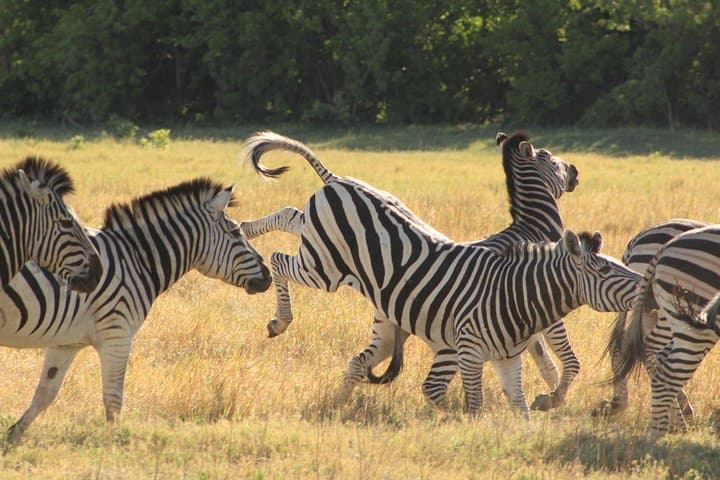
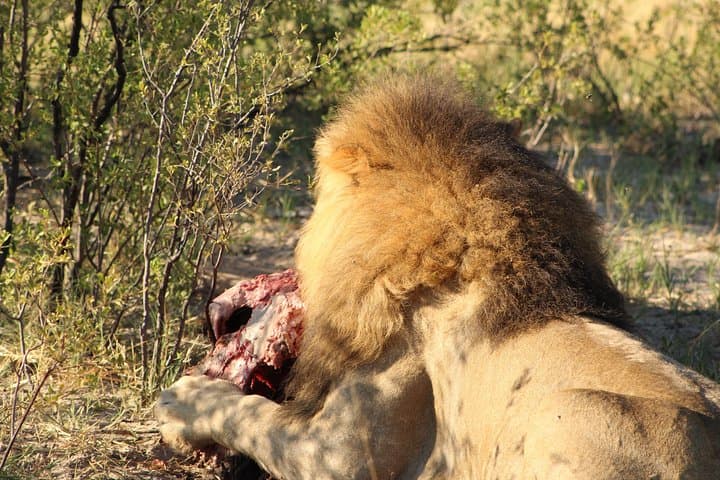
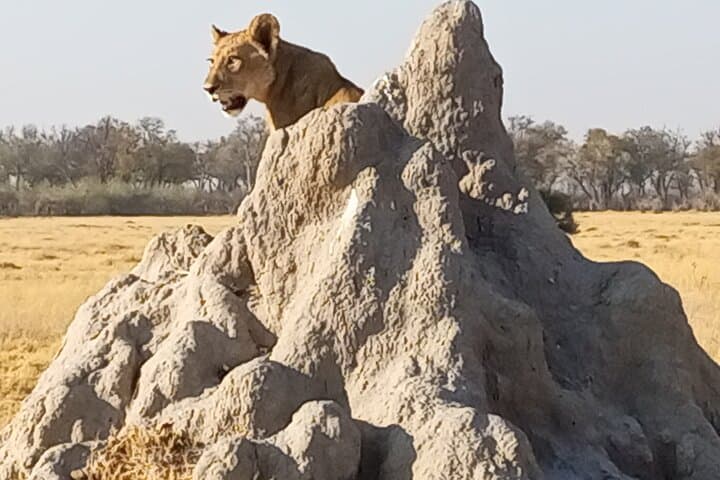
Wildlife encounters are the draw: elephants, lions, buffalo and hippos dominate sightings, while boat safaris on Chobe add riverine species. Respect guides’ instructions around animals and keep noise low—this landscape rewards patience with close, cinematic moments.
easy.
4 days.
Suitable for travelers in general good health who can climb into safari vehicles and sleep in basic tented accommodation
The transfer is about 4–5 hours (roughly 170–180 km) over graded dirt roads with game-viewing stops en route.
This is mobile tented camping with single or twin canvas tents, basic shared ablutions and meals cooked over a campfire for an authentic bush experience.
Yes, the itinerary includes a boat safari on the Chobe Riverfront to complement land game drives and view riverine species.
Children may join when accompanied by adults, but the operator notes a minimum age of 18; check booking specifics for child policy and safety details.
Savute’s ecology has been shaped by shifting channels and tectonic changes that turned ancient lake beds into seasonal marshes, driving cycles of abundance and scarcity.
Heavy elephant pressure has altered gallery forests, and many waterholes are now pumped; visitors should minimize waste, follow guide rules, and support operators using low-impact practices.
Wild Africa Safaris operates guided outdoor trips and adventures with an emphasis on safety, stewardship, and memorable experiences.
You step from the road into a hush that the bush keeps like a secret—acacia silhouettes cut against a wide African sky, and distant elephants fold themselves into the horizon like slow-moving hills. The first night’s camp is small lights and canvas, a cookfire popping as guides talk routes and waterholes. Morning drives open the landscape: the Savute plain stretches flat, the old marsh bed hard and golden, while the Chobe riverfront later turns the world green and reflective.
You step from the road into a hush that the bush keeps like a secret—acacia silhouettes cut against a wide African sky, and distant elephants fold themselves into the horizon like slow-moving hills. The first night’s camp is small lights and canvas, a cookfire popping as guides talk routes and waterholes. Morning drives open the landscape: the Savute plain stretches flat, the old marsh bed hard and golden, while the Chobe riverfront later turns the world green and reflective.
Savute’s story is geological as much as biological. Tectonic shifts redirected the ancient lake’s channels and the Savute Channel has alternated between dry and flowing across decades, shaping where predators and grazers congregate. The Chobe Riverfront is a contrasting wet corridor—teak and mahogany gallery forest fed by the river that gives life and concentrates wildlife. The area’s culture is linked to Kasane and Tswana communities who have long depended on the land and river.
Practical guidance: expect early starts—drives at dawn and late afternoon are best for sightings. Camps are mobile tented accommodation with shared facilities; meals are cooked over open fire, so bring a headlamp and personal toiletries. Stay hydrated in the dry heat, use high-SPF sun protection, and carry binoculars for distant herds. Vehicles handle long transfers—be ready for dusty roads and bumpy stretches on the 4–5 hour drive from Kasane to Savute.
Wildlife encounters are the draw: elephants, lions, buffalo and hippos dominate sightings, while boat safaris on Chobe add riverine species. Respect guides’ instructions around animals and keep noise low—this landscape rewards patience with close, cinematic moments.