THE ADVENTURE COLLECTIVE® · Independent discovery and booking for outdoor travel

A compact four-day loop through Tarangire, the Serengeti, and Ngorongoro that packs classic East African wildlife into a midrange, lodge-and-camp experience. Expect long game drives, early mornings, and close encounters with elephants, big cats, and crater rhinos.
A compact four-day loop through Tarangire, the Serengeti, and Ngorongoro that packs classic East African wildlife into a midrange, lodge-and-camp experience. Expect long game drives, early mornings, and close encounters with elephants, big cats, and crater rhinos.
Dawn breaks over the acacia-lined horizon as a Land Cruiser rumbles out of Arusha, dust rising like a promise. Within hours the road gives way to the wide, sun-baked plains of Tarangire where baobabs tower and elephant herds move with deliberate authority. Over four days the itinerary slides from riverine gallery forest to the open Serengeti and down into the bowl of Ngorongoro Crater, each landscape shaping different encounters with wildlife.
Verified experiences and guided adventures in the surrounding area.
Operated by Utukufu Travels and Adventures · Arusha, Arusha Region
Dawn breaks over the acacia-lined horizon as a Land Cruiser rumbles out of Arusha, dust rising like a promise. Within hours the road gives way to the wide, sun-baked plains of Tarangire where baobabs tower and elephant herds move with deliberate authority. Over four days the itinerary slides from riverine gallery forest to the open Serengeti and down into the bowl of Ngorongoro Crater, each landscape shaping different encounters with wildlife.
These places carry deep stories: Tarangire is defined by its seasonal river and ancient baobabs, the Serengeti name comes from the Maasai term for endless plains and hosts migration cycles older than modern borders, while Ngorongoro is a collapsed volcano, a geological amphitheater and UNESCO World Heritage Site. Maasai culture remains visible along park edges; their cattle and stone kraals are part of a living landscape where conservation and community intersect.
Practically, expect long days in an open vehicle, early pick-ups, and patient wildlife watching. Game drives concentrate on morning and late afternoon when predators are most active; midday is for picnic lunches and short rests. Roads can be dusty and rough—vehicles are equipped for off-road travel but comfort varies by lodge. Guides read tracks and seasonal water patterns, increasing chances to see elephants, big cats, and the rare black rhino down in Ngorongoro.
Bring layers for cool crater mornings, sun protection for the plains, binoculars, and a camera with a telephoto lens. Respect park rules: stay in your vehicle unless the guide instructs otherwise, keep noise low, and conserve water. With straightforward planning, this four-day loop delivers a compact, wildlife-rich window into northern Tanzania.
easy.
4 days (daily 6–12 hours in vehicle).
Suitable for anyone who can sit for extended periods and handle short, easy walks at rest stops
Yes; the tour is rated easy with long vehicle drives rather than strenuous walking, but infants must sit on laps and those with serious medical conditions should consult a doctor.
Consult a travel clinic for recommended vaccinations and malaria prophylaxis; carry personal medications and travel insurance.
This midrange package includes accommodations, most meals, transport, and listed park fees—confirm specifics with the operator at booking.
Migration timing varies: northern Serengeti river crossings are most likely June–October; calving in southern Serengeti occurs around December–March.
Ngorongoro is a collapsed volcanic caldera and a UNESCO World Heritage Site; Serengeti has long been a Maasai grazing landscape and a core area for East African conservation.
Respect park rules and guides—staying on routes and minimizing noise reduces stress on wildlife; contributions from fees support anti‑poaching and local community projects.
Utukufu Travels and Adventures operates guided outdoor trips and adventures with an emphasis on safety, stewardship, and memorable experiences.

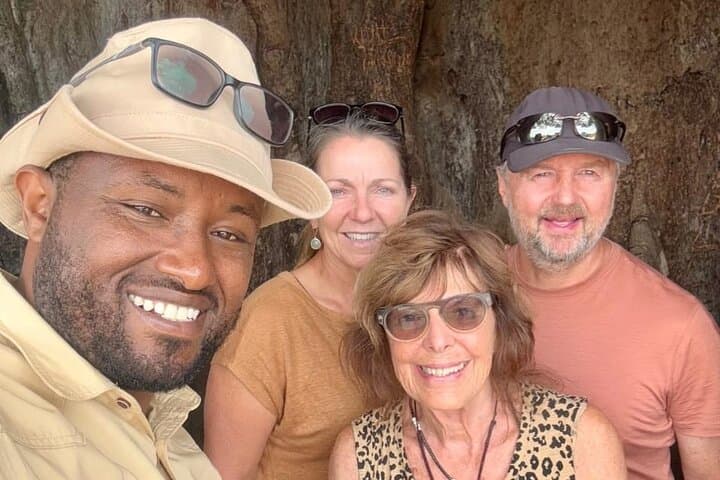
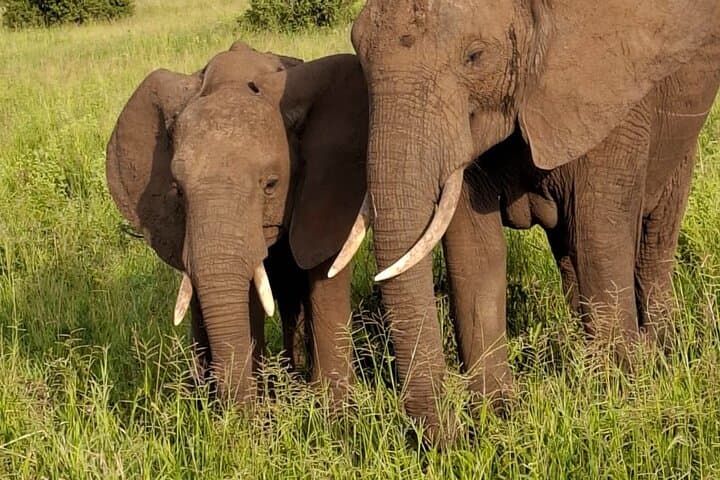
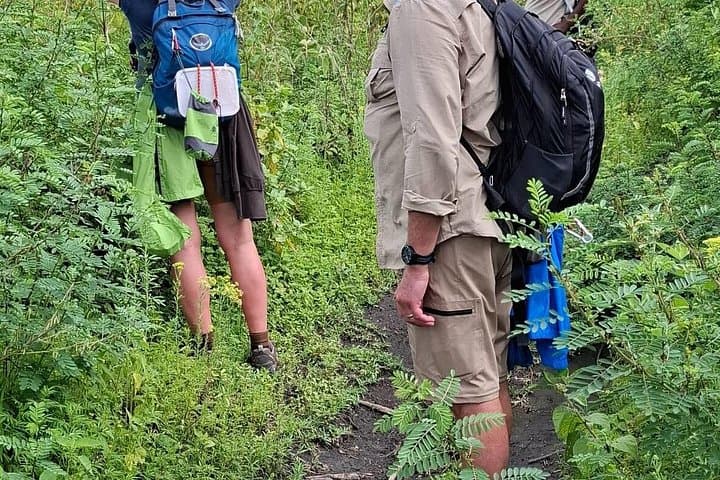
Dawn breaks over the acacia-lined horizon as a Land Cruiser rumbles out of Arusha, dust rising like a promise. Within hours the road gives way to the wide, sun-baked plains of Tarangire where baobabs tower and elephant herds move with deliberate authority. Over four days the itinerary slides from riverine gallery forest to the open Serengeti and down into the bowl of Ngorongoro Crater, each landscape shaping different encounters with wildlife.
Dawn breaks over the acacia-lined horizon as a Land Cruiser rumbles out of Arusha, dust rising like a promise. Within hours the road gives way to the wide, sun-baked plains of Tarangire where baobabs tower and elephant herds move with deliberate authority. Over four days the itinerary slides from riverine gallery forest to the open Serengeti and down into the bowl of Ngorongoro Crater, each landscape shaping different encounters with wildlife.
These places carry deep stories: Tarangire is defined by its seasonal river and ancient baobabs, the Serengeti name comes from the Maasai term for endless plains and hosts migration cycles older than modern borders, while Ngorongoro is a collapsed volcano, a geological amphitheater and UNESCO World Heritage Site. Maasai culture remains visible along park edges; their cattle and stone kraals are part of a living landscape where conservation and community intersect.
Practically, expect long days in an open vehicle, early pick-ups, and patient wildlife watching. Game drives concentrate on morning and late afternoon when predators are most active; midday is for picnic lunches and short rests. Roads can be dusty and rough—vehicles are equipped for off-road travel but comfort varies by lodge. Guides read tracks and seasonal water patterns, increasing chances to see elephants, big cats, and the rare black rhino down in Ngorongoro.
Bring layers for cool crater mornings, sun protection for the plains, binoculars, and a camera with a telephoto lens. Respect park rules: stay in your vehicle unless the guide instructs otherwise, keep noise low, and conserve water. With straightforward planning, this four-day loop delivers a compact, wildlife-rich window into northern Tanzania.