THE ADVENTURE COLLECTIVE® · Independent discovery and booking for outdoor travel

Set out from Marrakech across the High Atlas for four days of kasbahs, river gorges and the orange waves of Erg Chebbi. Expect long drives, gentle camel treks, desert camps and sunrise light that rewards early wake‑ups.
Set out from Marrakech across the High Atlas for four days of kasbahs, river gorges and the orange waves of Erg Chebbi. Expect long drives, gentle camel treks, desert camps and sunrise light that rewards early wake‑ups.
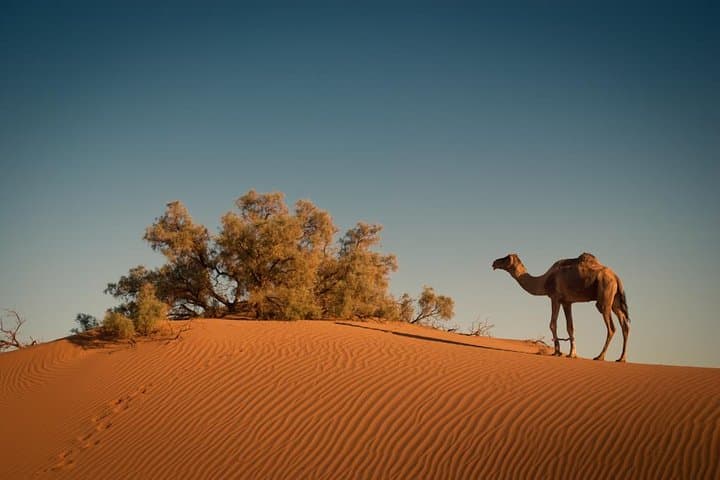
A column of camels cuts a slow line across orange dunes as the sun picks out wind ribs on the sand—this is the opening scene of a four‑day journey from Marrakech to Merzouga. Start with early mountain air on the Tizi n’Tichka pass, press through kasbah towns and palm groves, then let the desert expand until the horizon is only sand and sky.
Verified experiences and guided adventures in the surrounding area.
Operated by Tours 4 you · Merzouga, Drâa-Tafilalet
A column of camels cuts a slow line across orange dunes as the sun picks out wind ribs on the sand—this is the opening scene of a four‑day journey from Marrakech to Merzouga. Start with early mountain air on the Tizi n’Tichka pass, press through kasbah towns and palm groves, then let the desert expand until the horizon is only sand and sky.
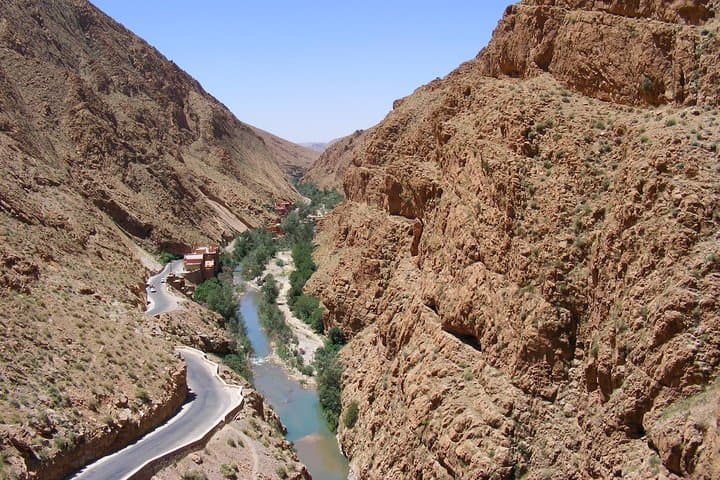
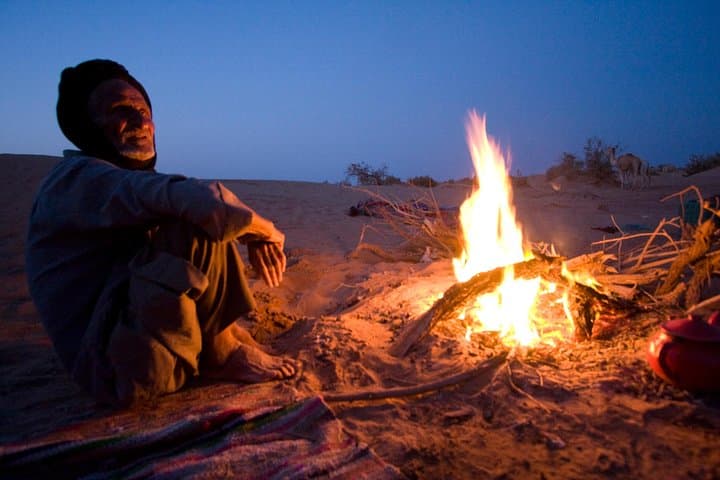
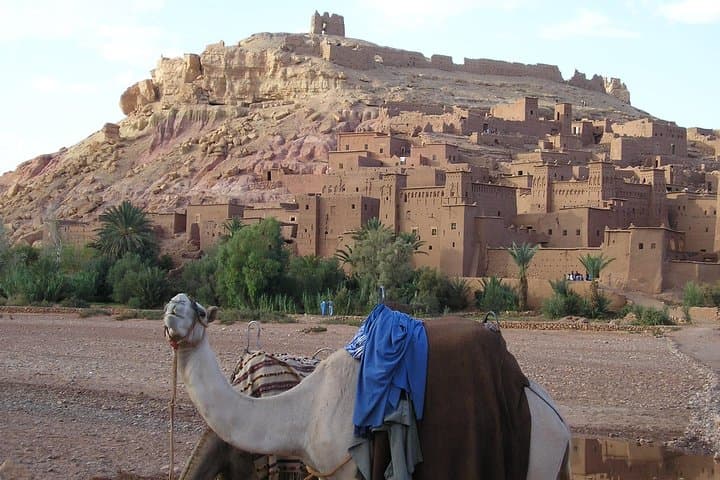
The route threads centuries of history: Ait Ben Haddou’s earthen walls recall trans‑Saharan trade and film crews, Todgha Gorge reveals the High Atlas’s limestone teeth, and Merzouga’s Erg Chebbi dunes are the modern stage for nomad hospitality and music around a campfire. Geologically, the dunes are wind‑built deposits on an ancient Sahara plain; the Atlas Mountains to the northwest still shape weather and water patterns that feed local oases.
Culturally expect Berber tea rituals, campfire Gnawa rhythms, and simple desert encampments with canvas tents. Practicalities matter: the tour mixes long drives with gentle walking and a 60–90 minute camel ride into the dunes, so plan for several hours on the road each day. Sunrise and sunset are the showtimes—bring layers, sun protection, and a good headlamp.
Hydrate before and during desert outings, wear sturdy shoes for rocky approaches and loose sand, and keep electronics dry from blowing sand. If you want photos without crowds, request an early dune arrival for sunrise. This trip balances comfortable accommodation nights with one overnight under the stars, making it accessible for first‑time desert travelers who want immersive landscape time without technical demands.
easy.
4 days (approx. 96 hours).
Suitable for most fitness levels; expect long vehicle transfers, short walks on uneven ground and a 60–90 minute camel ride into dunes.
The camel trek to the desert camp typically lasts about 60–90 minutes each way, paced for comfort rather than speed.
Yes. The itinerary is low‑impact with vehicle transfers and optional short walks; camel rides are an accessible way to reach the camp.
Nights alternate between hotels and a desert camp with canvas tents; meals include breakfasts and dinners as listed.
Visa and vaccination requirements depend on your nationality—check Morocco’s entry rules and consult a travel clinic for routine recommendations.
The route traces ancient trans‑Saharan corridors; Ait Ben Haddou and local kasbahs were fortified hubs for trade caravans and later film locations.
Water is scarce—use hotel and camp water sparingly and avoid littering dunes; respect local herding and grazing areas to limit erosion.
Tours 4 you operates guided outdoor trips and adventures with an emphasis on safety, stewardship, and memorable experiences.
A column of camels cuts a slow line across orange dunes as the sun picks out wind ribs on the sand—this is the opening scene of a four‑day journey from Marrakech to Merzouga. Start with early mountain air on the Tizi n’Tichka pass, press through kasbah towns and palm groves, then let the desert expand until the horizon is only sand and sky.
A column of camels cuts a slow line across orange dunes as the sun picks out wind ribs on the sand—this is the opening scene of a four‑day journey from Marrakech to Merzouga. Start with early mountain air on the Tizi n’Tichka pass, press through kasbah towns and palm groves, then let the desert expand until the horizon is only sand and sky.
The route threads centuries of history: Ait Ben Haddou’s earthen walls recall trans‑Saharan trade and film crews, Todgha Gorge reveals the High Atlas’s limestone teeth, and Merzouga’s Erg Chebbi dunes are the modern stage for nomad hospitality and music around a campfire. Geologically, the dunes are wind‑built deposits on an ancient Sahara plain; the Atlas Mountains to the northwest still shape weather and water patterns that feed local oases.
Culturally expect Berber tea rituals, campfire Gnawa rhythms, and simple desert encampments with canvas tents. Practicalities matter: the tour mixes long drives with gentle walking and a 60–90 minute camel ride into the dunes, so plan for several hours on the road each day. Sunrise and sunset are the showtimes—bring layers, sun protection, and a good headlamp.
Hydrate before and during desert outings, wear sturdy shoes for rocky approaches and loose sand, and keep electronics dry from blowing sand. If you want photos without crowds, request an early dune arrival for sunrise. This trip balances comfortable accommodation nights with one overnight under the stars, making it accessible for first‑time desert travelers who want immersive landscape time without technical demands.