
4-Day Merzouga Desert Tour from Marrakech — Atlas, Aït Ben Haddou & Erg Chebbi
Cross the High Atlas, walk Aït Ben Haddou’s earthen streets, thread the Todra and Dades gorges, then sleep under the stars on the Erg Chebbi dunes. This 4-day private tour condenses Morocco’s mountain-to-desert highlights into an accessible overland route.
An Adventure In Merzouga.
Cross the High Atlas, walk Aït Ben Haddou’s earthen streets, thread the Todra and Dades gorges, then sleep under the stars on the Erg Chebbi dunes. This 4-day private tour condenses Morocco’s mountain-to-desert highlights into an accessible overland route.
Read the full experience
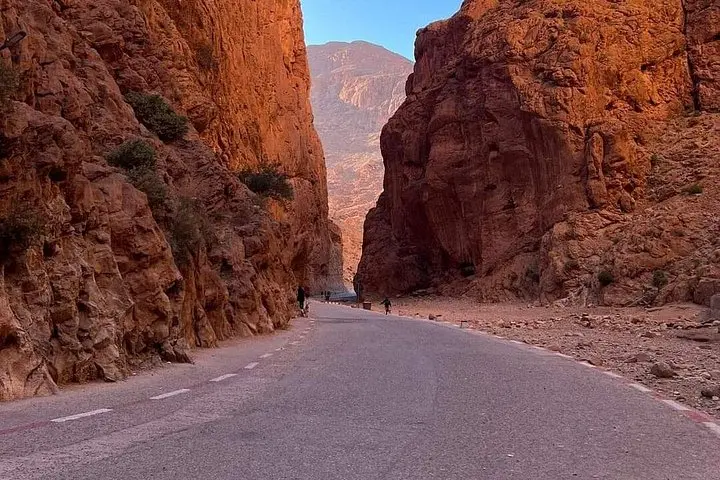
You leave Marrakech before dawn, the road climbing the High Atlas where wind and stone seem to push the vehicle up the Tizi n’Tichka pass. By late afternoon the red-brown kasbahs of Aït Ben Haddou appear, a compact village of mud-brick towers that once marked caravan routes between the Sahara and the city. From there the route loosens into palm-lined valleys and the sheer walls of Todra and Dades gorges, then finally the slow, burning swell of Erg Chebbi.
You leave Marrakech before dawn, the road climbing the High Atlas where wind and stone seem to push the vehicle up the Tizi n’Tichka pass. By late afternoon the red-brown kasbahs of Aït Ben Haddou appear, a compact village of mud-brick towers that once marked caravan routes between the Sahara and the city. From there the route loosens into palm-lined valleys and the sheer walls of Todra and Dades gorges, then finally the slow, burning swell of Erg Chebbi.
The region is geologically young: folding and uplift of the Atlas produced dramatic passes and gorges, while the Sahara’s dunes are wind-sculpted sand piles over Pliocene marine deposits—hence the fossils near Erfoud. Culturally, this corridor carries Berber and Arab traditions, with caravan-era kasbahs, Gnawa music in Khamlia and irrigation systems that sustain palm oases.
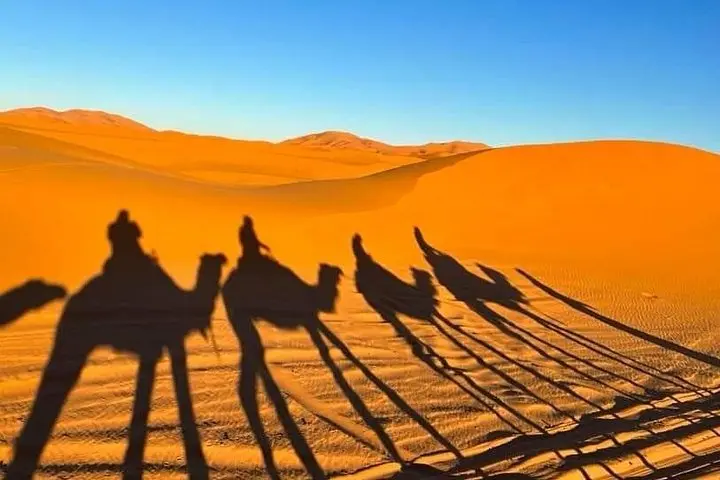
Expect long driving legs balanced with short walks, a late-afternoon SUV run across sandy tracks, a camel trek at sunset and an overnight in a nomad-style Berber camp beneath an uncompromising sky. Weather swings are sharp—hot days, cool nights—so layers matter. Hydrate often on drives, wear sturdy shoes for rocky gorges and protect head and eyes from sun and sand. Bring cash for local markets and small tips for guides; phone signal is intermittent once you pass Erfoud, so plan logistics in advance.
This itinerary suits travelers who want a compact cross-section of southern Morocco: mountain passes, UNESCO heritage, canyon walking, fossil hunting and an authentic desert camp experience under the Erg Chebbi dunes.
Frequently asked questions
This tour involves mostly driving with short walks in gorges, a camel trek to camp and light hiking; it’s suitable for most fitness levels.
Camels are steady but mounting can be awkward—guides assist and the pace is leisurely over dunes during sunset.
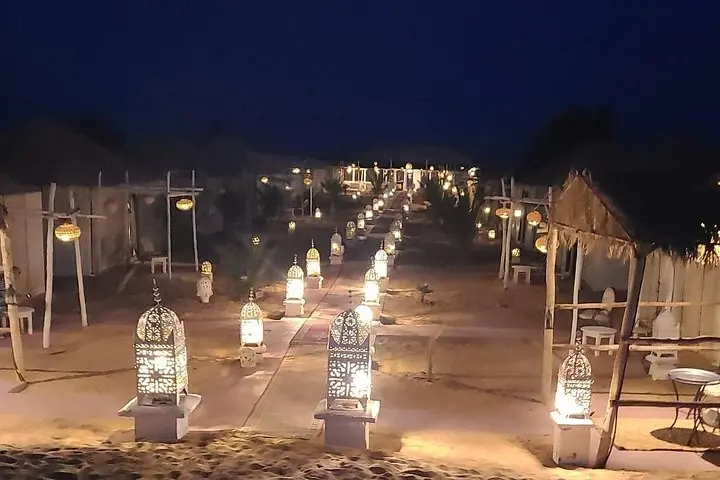
Overnight camp is a traditional Berber-style tent with mattress bedding; facilities are basic but comfortable, and dinners are communal.
Local hosts can adapt meals for common dietary needs if notified in advance; bring snacks for specific requirements.
About This Experience
love morocco travel operates guided outdoor trips and adventures with an emphasis on safety, stewardship, and memorable experiences.
Adventure tips
Recommended gear
- Sturdy walking shoes: Good traction for rocky gorges and uneven kasbah streets.
- Sun protection (hat, SPF, sunglasses): Shielding from intense sun and reflective sand is essential during dune and daytime excursions.
- Light layers and a warm jacket: Temperatures drop at night—layers keep you comfortable from canyon shade to desert dawn.
- Headlamp or flashlight: Useful for camp areas and evening walks when lighting is limited.
Photos of the experience
Related adventures & guides
Read the full experience
You leave Marrakech before dawn, the road climbing the High Atlas where wind and stone seem to push the vehicle up the Tizi n’Tichka pass. By late afternoon the red-brown kasbahs of Aït Ben Haddou appear, a compact village of mud-brick towers that once marked caravan routes between the Sahara and the city. From there the route loosens into palm-lined valleys and the sheer walls of Todra and Dades gorges, then finally the slow, burning swell of Erg Chebbi.
You leave Marrakech before dawn, the road climbing the High Atlas where wind and stone seem to push the vehicle up the Tizi n’Tichka pass. By late afternoon the red-brown kasbahs of Aït Ben Haddou appear, a compact village of mud-brick towers that once marked caravan routes between the Sahara and the city. From there the route loosens into palm-lined valleys and the sheer walls of Todra and Dades gorges, then finally the slow, burning swell of Erg Chebbi.
The region is geologically young: folding and uplift of the Atlas produced dramatic passes and gorges, while the Sahara’s dunes are wind-sculpted sand piles over Pliocene marine deposits—hence the fossils near Erfoud. Culturally, this corridor carries Berber and Arab traditions, with caravan-era kasbahs, Gnawa music in Khamlia and irrigation systems that sustain palm oases.
Expect long driving legs balanced with short walks, a late-afternoon SUV run across sandy tracks, a camel trek at sunset and an overnight in a nomad-style Berber camp beneath an uncompromising sky. Weather swings are sharp—hot days, cool nights—so layers matter. Hydrate often on drives, wear sturdy shoes for rocky gorges and protect head and eyes from sun and sand. Bring cash for local markets and small tips for guides; phone signal is intermittent once you pass Erfoud, so plan logistics in advance.
This itinerary suits travelers who want a compact cross-section of southern Morocco: mountain passes, UNESCO heritage, canyon walking, fossil hunting and an authentic desert camp experience under the Erg Chebbi dunes.
Make a day of it nearby.
Verified experiences and guided adventures in the surrounding area.