THE ADVENTURE COLLECTIVE® · Independent discovery and booking for outdoor travel

Cross the High Atlas and sleep beneath the Erg Chebbi stars on this 4-day Marrakech-to-Merzouga desert safari. Expect kasbahs, palm-lined oases, Todra Gorge, and sunrise camel rides across towering dunes.
Cross the High Atlas and sleep beneath the Erg Chebbi stars on this 4-day Marrakech-to-Merzouga desert safari. Expect kasbahs, palm-lined oases, Todra Gorge, and sunrise camel rides across towering dunes.
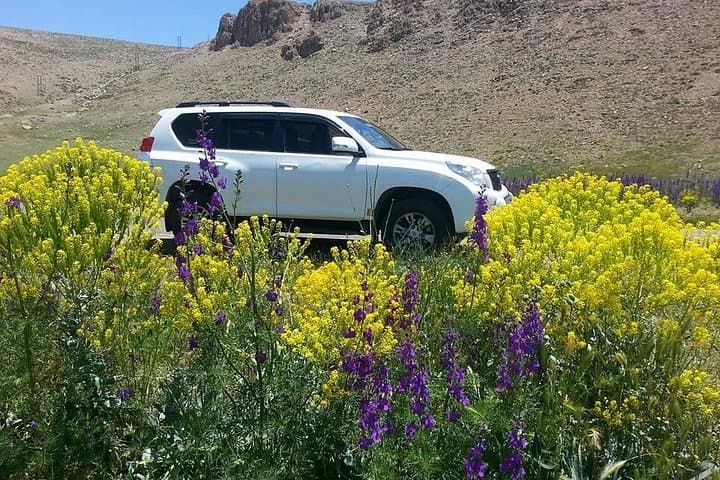
You climb from Marrakech’s ochre alleys into a wind-scoured plain; the road unfolds through the High Atlas and the Road of a Thousand Kasbahs until sand rises like a living wall at Erg Chebbi. By late afternoon camels file across the dune ridgeline, slow and steady, carrying riders into the orange hush of sunset where the sand seems to tilt and breathe.
Verified experiences and guided adventures in the surrounding area.
Operated by Atlas Discovery Tours · Merzouga, Drâa-Tafilalet
You climb from Marrakech’s ochre alleys into a wind-scoured plain; the road unfolds through the High Atlas and the Road of a Thousand Kasbahs until sand rises like a living wall at Erg Chebbi. By late afternoon camels file across the dune ridgeline, slow and steady, carrying riders into the orange hush of sunset where the sand seems to tilt and breathe.
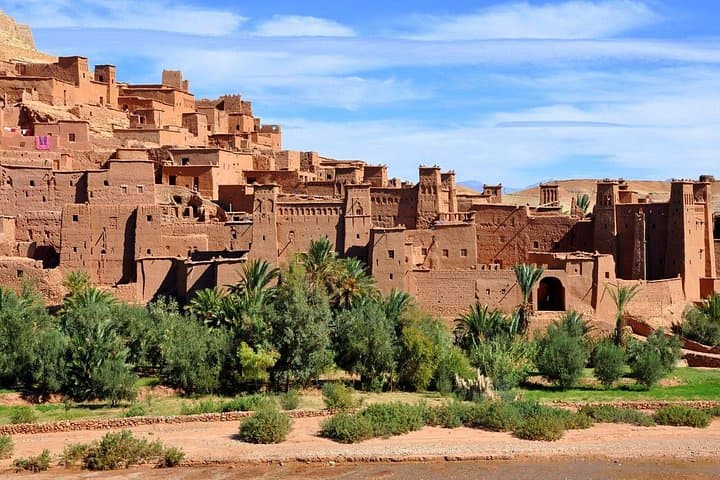
The route threads centuries of trade and Berber life: Aït Ben Haddou’s mudbrick kasbahs stand as practical fortresses and cinematic backdrops, while the Todra Gorge reveals the limestone roots of the High Atlas, cliffs plunging hundreds of meters to a narrow river. The Draa Valley’s palm-lined oases were once lifelines on caravan routes and still host ksour — clustered fortified villages — that mark human adaptation to an arid landscape.
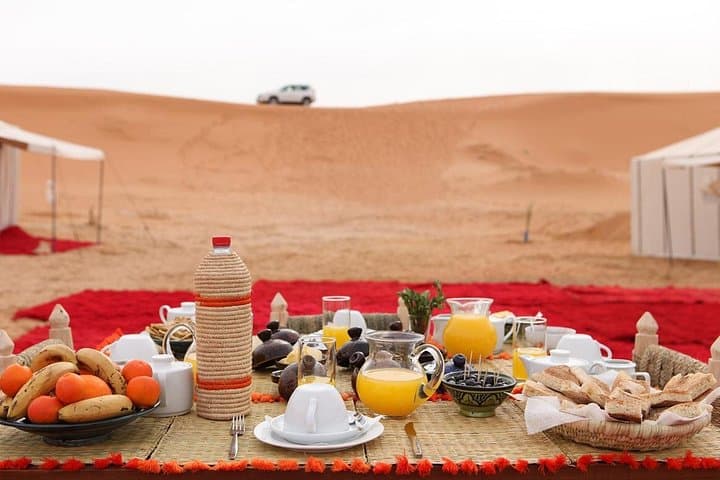
Expect large driving days, short cultural stops, and two nights spent under canvas: a night in a guesthouse near Dades or Todra and a desert bivouac on Erg Chebbi with a guided camel ride for sunrise or sunset. Camps range from basic nomad tents to more comfortable “luxury” camps with beds and meals; meals often feature tagine and tea around a shared fire.
Practical tips: pack layered clothing for 30°C daytime heat and near-freezing desert nights, bring sun protection and a refillable water bottle, and allow travel time for unpaved stretches. The experience is more about quiet desert rhythms and cultural contact than strenuous hiking — ideal for travelers who want immersive landscape and local insight without technical demands.
moderate.
4 days.
Suitable for travelers in average fitness; involves light walking and short dune climbs but long periods in vehicle.
The tour is moderate: long drives and short walks, including easy dune climbs; no technical skills required, suitable for most active travelers.
Overnight options range from traditional nomad tents with basic bedding to upgraded desert camps with proper beds, bathrooms, and meals—confirm level when booking.
Camel rides are generally safe but can be bumpy; children and those with mobility issues should notify the operator so guides can assist mounting and dismounting.
Yes—small tips for drivers, guides, and camp staff are appreciated and common; amounts vary by group size and service quality.
The route follows historic caravan corridors and showcases Berber kasbah architecture like Aït Ben Haddou, a UNESCO site used as a caravan stronghold and film location.
The Sahara’s dunes and oases are fragile—stick to marked routes, avoid littering, limit night fires to camp areas, and support local guides who practice sustainable tourism.
Atlas Discovery Tours operates guided outdoor trips and adventures with an emphasis on safety, stewardship, and memorable experiences.

You climb from Marrakech’s ochre alleys into a wind-scoured plain; the road unfolds through the High Atlas and the Road of a Thousand Kasbahs until sand rises like a living wall at Erg Chebbi. By late afternoon camels file across the dune ridgeline, slow and steady, carrying riders into the orange hush of sunset where the sand seems to tilt and breathe.
You climb from Marrakech’s ochre alleys into a wind-scoured plain; the road unfolds through the High Atlas and the Road of a Thousand Kasbahs until sand rises like a living wall at Erg Chebbi. By late afternoon camels file across the dune ridgeline, slow and steady, carrying riders into the orange hush of sunset where the sand seems to tilt and breathe.
The route threads centuries of trade and Berber life: Aït Ben Haddou’s mudbrick kasbahs stand as practical fortresses and cinematic backdrops, while the Todra Gorge reveals the limestone roots of the High Atlas, cliffs plunging hundreds of meters to a narrow river. The Draa Valley’s palm-lined oases were once lifelines on caravan routes and still host ksour — clustered fortified villages — that mark human adaptation to an arid landscape.
Expect large driving days, short cultural stops, and two nights spent under canvas: a night in a guesthouse near Dades or Todra and a desert bivouac on Erg Chebbi with a guided camel ride for sunrise or sunset. Camps range from basic nomad tents to more comfortable “luxury” camps with beds and meals; meals often feature tagine and tea around a shared fire.
Practical tips: pack layered clothing for 30°C daytime heat and near-freezing desert nights, bring sun protection and a refillable water bottle, and allow travel time for unpaved stretches. The experience is more about quiet desert rhythms and cultural contact than strenuous hiking — ideal for travelers who want immersive landscape and local insight without technical demands.