THE ADVENTURE COLLECTIVE® · Independent discovery and booking for outdoor travel

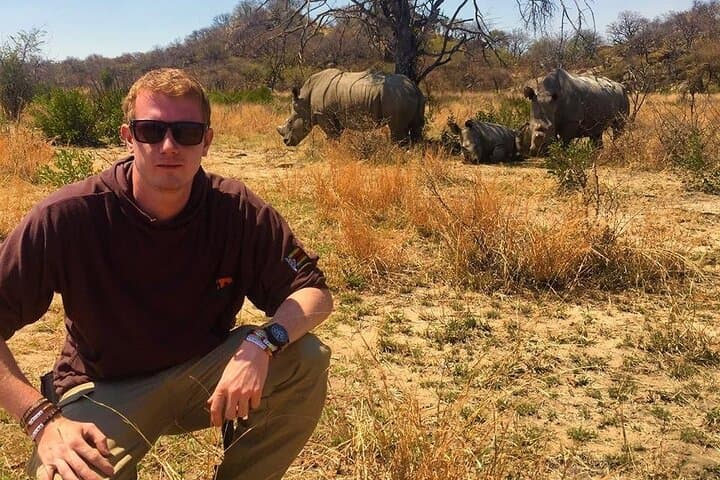
Spend four days in Zimbabwe’s Matopos Hills tracking wild rhinos with an armed ranger, exploring Khoisan rock art, and staying at the dramatic Big Cave Camp. This private package balances active bush walks and game drives with time to relax above sweeping granite kopjes.
Spend four days in Zimbabwe’s Matopos Hills tracking wild rhinos with an armed ranger, exploring Khoisan rock art, and staying at the dramatic Big Cave Camp. This private package balances active bush walks and game drives with time to relax above sweeping granite kopjes.
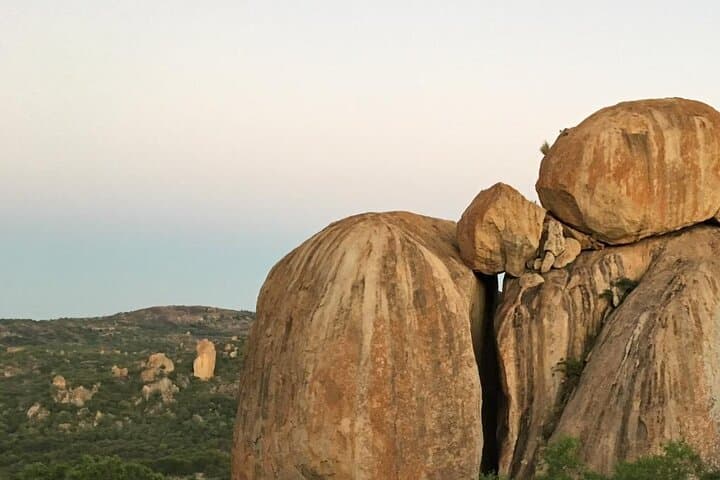
A wind that has courted granite for millions of years pushes across rounded kopjes as you step out from Big Cave Camp. Morning light spills down shear faces of pinkish-white granite; lichen and ancient rock art pick out human hands and hunting scenes like notes in a slow song. The camp perches on a whaleback inselberg, giving wide views over Matobo (Matopos) National Park — the landscape feels both vast and intimately scaled.
Verified experiences and guided adventures in the surrounding area.
Operated by ThisAndThat Safaris · Bulawayo, Matabeleland South
A wind that has courted granite for millions of years pushes across rounded kopjes as you step out from Big Cave Camp. Morning light spills down shear faces of pinkish-white granite; lichen and ancient rock art pick out human hands and hunting scenes like notes in a slow song. The camp perches on a whaleback inselberg, giving wide views over Matobo (Matopos) National Park — the landscape feels both vast and intimately scaled.
This is a place shaped by geology and people: fractured granite domes and balancing boulders formed by long weathering, while the Khoisan left rock paintings that map ancestral presence. Cecil John Rhodes’ grave at World’s View is one of several colonial-era markers here, a reminder of contested histories surrounding the hills. Culturally, the Matobo have long been a sacred landscape for local communities and a focus of modern conservation — particularly for black rhino protection.
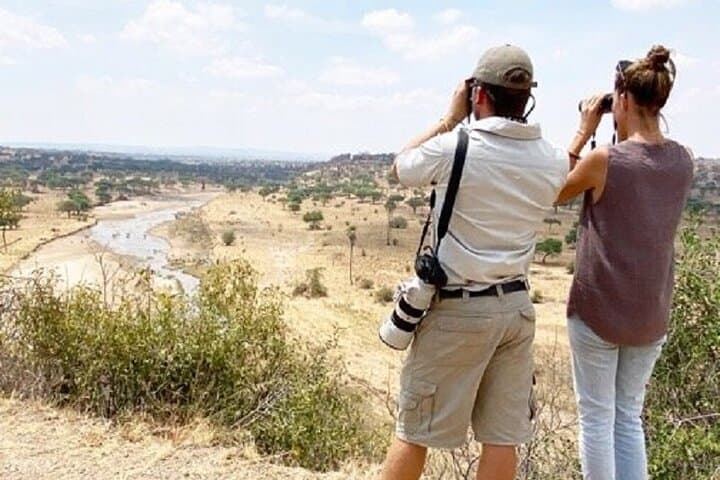
Practically, the package moves at a measured safari pace: private transfers from Bulawayo, guided bush walks, game drives to balancing rocks and rock art, and an escorted rhino tracking walk with an armed ranger. Expect dry, rocky terrain underfoot, short scrambling on kopjes, and game-viewing from low vehicles or on foot. Hydrate early, carry 2–3 liters, and use sturdy boots and sun protection. Sunrise and late afternoon are best for wildlife and photographs; mid-day is for resting at the lodge or by the pool. Follow your guide’s briefing (rhino walks require strict behavior), carry small-denomination cash for local crafts in Bulawayo, and leave no trace — these hills endure because visitors respect them.
moderate.
4 days.
Suitable for people in regular physical condition: short to moderate bush walks (1–4 hours), some uneven terrain and low scrambling.
Rhino walks are conducted with trained, armed rangers and guides; guests must follow instructions, keep a steady pace and avoid sudden movements — the rangers prioritize safety and conservation.
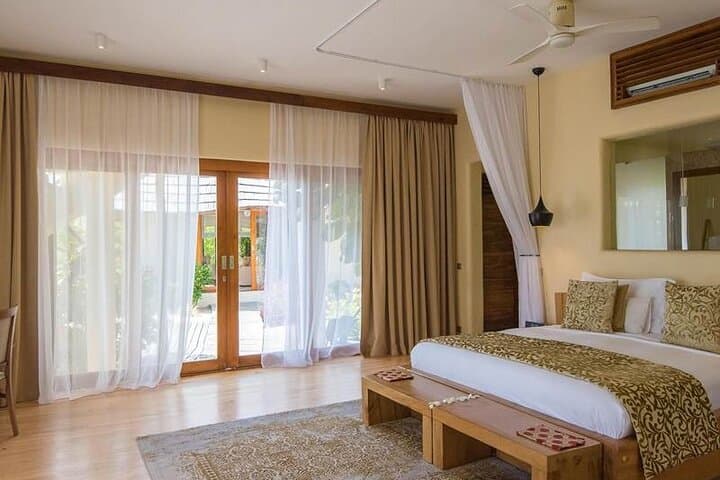
Transfers from Bulawayo, accommodation at Big Cave Camp, meals as listed, entrance fees and guided activities such as game drives, bush walks and a rhino tracking walk are included per the itinerary.
The dry winter months (May–August) give clearer skies and excellent game visibility; shoulder seasons (Sept–Nov) offer warmer days and active birdlife, while summer brings afternoon rains and greener scenery.
Standard travel vaccinations for Zimbabwe are recommended; no special permits for tourists are required beyond park entrance fees (typically included), but carry passport ID and any required visas.
Matobo has deep Khoisan cultural significance and was later a focal point of colonial activity — World’s View holds Cecil Rhodes’ grave and viewpoints once used in colonial-era surveying.
Matobo is central to Zimbabwe’s rhino conservation efforts; anti-poaching patrols and guided, armed tracking walks help protect the resident black rhino population, so follow all guide instructions to minimize disturbance.
ThisAndThat Safaris operates guided outdoor trips and adventures with an emphasis on safety, stewardship, and memorable experiences.
A wind that has courted granite for millions of years pushes across rounded kopjes as you step out from Big Cave Camp. Morning light spills down shear faces of pinkish-white granite; lichen and ancient rock art pick out human hands and hunting scenes like notes in a slow song. The camp perches on a whaleback inselberg, giving wide views over Matobo (Matopos) National Park — the landscape feels both vast and intimately scaled.
A wind that has courted granite for millions of years pushes across rounded kopjes as you step out from Big Cave Camp. Morning light spills down shear faces of pinkish-white granite; lichen and ancient rock art pick out human hands and hunting scenes like notes in a slow song. The camp perches on a whaleback inselberg, giving wide views over Matobo (Matopos) National Park — the landscape feels both vast and intimately scaled.
This is a place shaped by geology and people: fractured granite domes and balancing boulders formed by long weathering, while the Khoisan left rock paintings that map ancestral presence. Cecil John Rhodes’ grave at World’s View is one of several colonial-era markers here, a reminder of contested histories surrounding the hills. Culturally, the Matobo have long been a sacred landscape for local communities and a focus of modern conservation — particularly for black rhino protection.
Practically, the package moves at a measured safari pace: private transfers from Bulawayo, guided bush walks, game drives to balancing rocks and rock art, and an escorted rhino tracking walk with an armed ranger. Expect dry, rocky terrain underfoot, short scrambling on kopjes, and game-viewing from low vehicles or on foot. Hydrate early, carry 2–3 liters, and use sturdy boots and sun protection. Sunrise and late afternoon are best for wildlife and photographs; mid-day is for resting at the lodge or by the pool. Follow your guide’s briefing (rhino walks require strict behavior), carry small-denomination cash for local crafts in Bulawayo, and leave no trace — these hills endure because visitors respect them.