THE ADVENTURE COLLECTIVE® · Independent discovery and booking for outdoor travel

Spend four days driving the Masai Mara’s wide plains at dawn and dusk to seek the Big Five and seasonal wildebeest crossings. This vehicle-based safari balances intense wildlife time with comfortable lodge stays and optional Maasai cultural visits.
Spend four days driving the Masai Mara’s wide plains at dawn and dusk to seek the Big Five and seasonal wildebeest crossings. This vehicle-based safari balances intense wildlife time with comfortable lodge stays and optional Maasai cultural visits.
Dawn in the Masai Mara arrives like a slow exhale: low sun burning through a haze of grass, jeep engines stirring into life, and vultures riding thermals above a distant herd. The plains open ahead—gold-fingered grass, scattered acacia, and the Mara River cutting a dark line where crocs and hippos wait.
Verified experiences and guided adventures in the surrounding area.
Operated by Dream Voyage Safaris · Masai Mara, Narok County
Dawn in the Masai Mara arrives like a slow exhale: low sun burning through a haze of grass, jeep engines stirring into life, and vultures riding thermals above a distant herd. The plains open ahead—gold-fingered grass, scattered acacia, and the Mara River cutting a dark line where crocs and hippos wait.
Geology and history shape the visiting experience: the Mara sits on the eastern edge of the Great Rift Valley, its soils and drainage patterns creating the wide savanna mosaics that concentrate grazing animals and their predators. The Maasai people have grazed cattle here for generations; many lodges and guides work directly with local communities, and a brief cultural visit offers context on pastoral life and beadwork traditions.
Expect classic game-drive rhythms: early-morning and late-afternoon outings when predators are most active, long midday pauses back at camp, and panoramic sunsets that flatten color across the plain. If you travel July–October, the wildebeest migration often brings river crossings and pulse-pounding predator-prey moments.
Practically: this is vehicle-based wildlife viewing—no intense hiking required, but rides can be dusty and bumpy. Bring layered clothing for chilly mornings, binoculars, and a camera with a telephoto lens. Drives typically start before sunrise and finish after sunset; follow guide instructions around animals and river banks for safety.
Whether you come for the Big Five, solitary cheetah sightings, or the drama of a river crossing, a four-day Mara safari delivers concentrated wildlife time with minimal transit—ideal for first-time safari-goers and seasoned observers alike.
easy.
4 days.
Low fitness required; participants should be comfortable sitting for several hours and entering/exiting safari vehicles.
Peak river-crossing activity in the Masai Mara typically occurs July–October, although exact timing varies yearly depending on rains.
No—this is a vehicle-based safari suitable for most fitness levels; you should be able to get in and out of a 4x4 and sit for multi-hour drives.
This specific itinerary includes full-board lodging and most meals listed, and states that fees and taxes are covered—confirm details at booking for any optional extras like Maasai village visits.
Road transfer time is roughly 4–6 hours depending on traffic and road conditions; some travelers opt for a short domestic flight into a local airstrip to save time.
The Masai Mara takes its name from the Maasai people and the Mara River; the reserve was established in the mid-20th century to protect seasonal grazing lands and wildlife corridors.
Conservation here focuses on habitat protection and community-based tourism; choose operators who support local conservation fees and Maasai partnerships to minimize your footprint.
Dream Voyage Safaris operates guided outdoor trips and adventures with an emphasis on safety, stewardship, and memorable experiences.
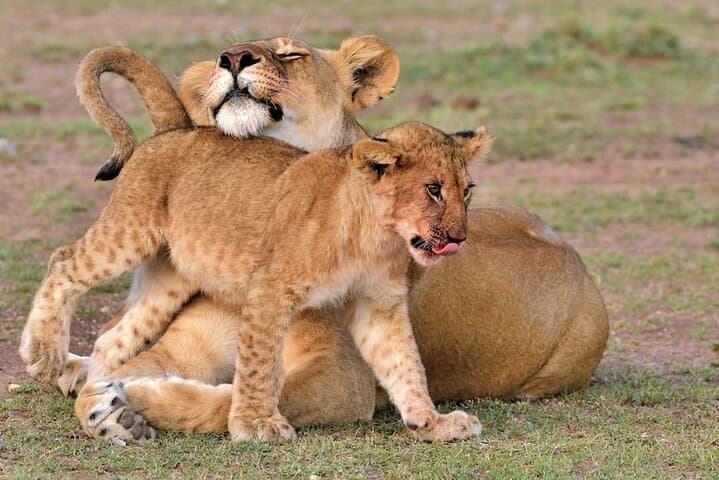
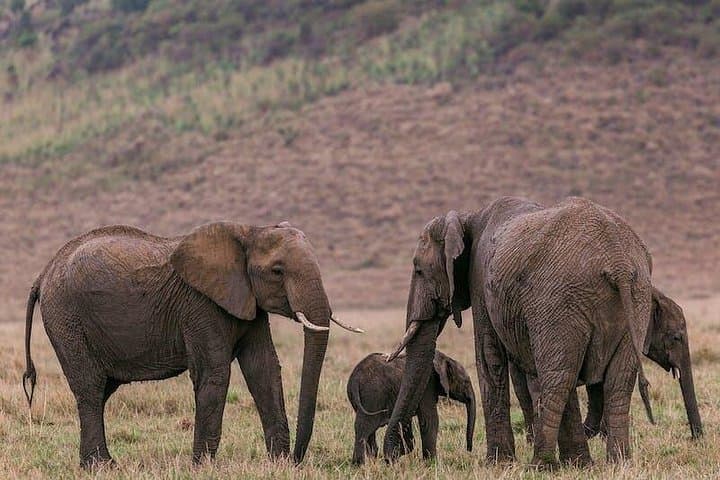
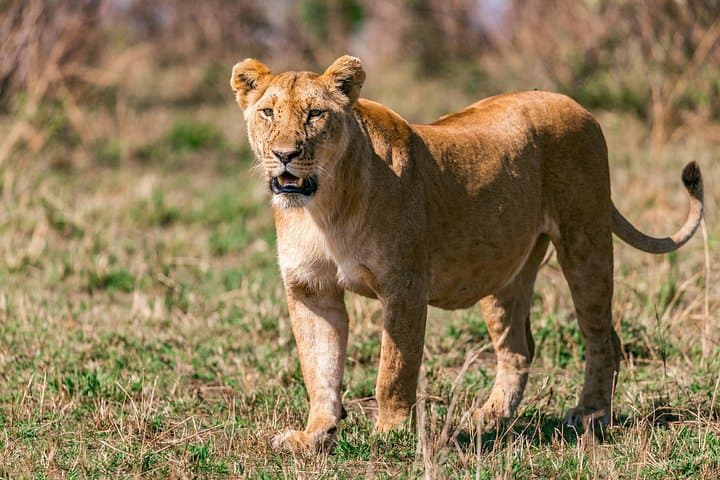
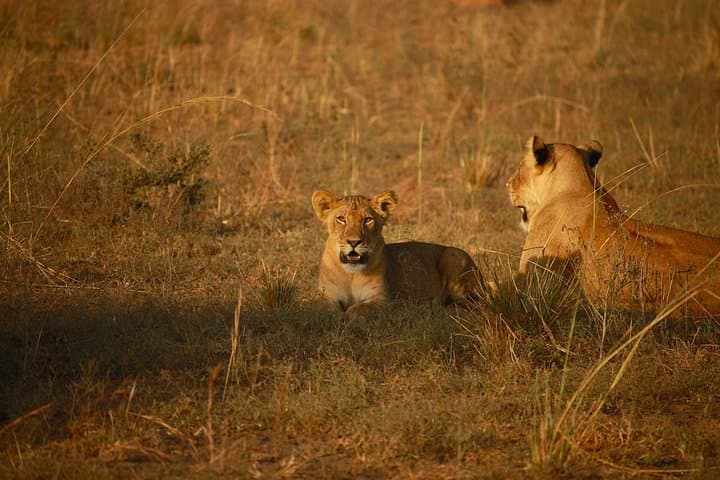
Dawn in the Masai Mara arrives like a slow exhale: low sun burning through a haze of grass, jeep engines stirring into life, and vultures riding thermals above a distant herd. The plains open ahead—gold-fingered grass, scattered acacia, and the Mara River cutting a dark line where crocs and hippos wait.
Dawn in the Masai Mara arrives like a slow exhale: low sun burning through a haze of grass, jeep engines stirring into life, and vultures riding thermals above a distant herd. The plains open ahead—gold-fingered grass, scattered acacia, and the Mara River cutting a dark line where crocs and hippos wait.
Geology and history shape the visiting experience: the Mara sits on the eastern edge of the Great Rift Valley, its soils and drainage patterns creating the wide savanna mosaics that concentrate grazing animals and their predators. The Maasai people have grazed cattle here for generations; many lodges and guides work directly with local communities, and a brief cultural visit offers context on pastoral life and beadwork traditions.
Expect classic game-drive rhythms: early-morning and late-afternoon outings when predators are most active, long midday pauses back at camp, and panoramic sunsets that flatten color across the plain. If you travel July–October, the wildebeest migration often brings river crossings and pulse-pounding predator-prey moments.
Practically: this is vehicle-based wildlife viewing—no intense hiking required, but rides can be dusty and bumpy. Bring layered clothing for chilly mornings, binoculars, and a camera with a telephoto lens. Drives typically start before sunrise and finish after sunset; follow guide instructions around animals and river banks for safety.
Whether you come for the Big Five, solitary cheetah sightings, or the drama of a river crossing, a four-day Mara safari delivers concentrated wildlife time with minimal transit—ideal for first-time safari-goers and seasoned observers alike.