THE ADVENTURE COLLECTIVE® · Independent discovery and booking for outdoor travel

Four days of lodge-based game drives in the Masai Mara focused on big‑five viewing, migration highlights and optional sunrise ballooning. Expect early starts, expert guides, and close contact with Kenya’s most iconic wildlife.
Four days of lodge-based game drives in the Masai Mara focused on big‑five viewing, migration highlights and optional sunrise ballooning. Expect early starts, expert guides, and close contact with Kenya’s most iconic wildlife.
Dawn throws a copper light across the Mara’s open plains as a 4x4 Land Cruiser eases onto a game track. The air tastes of dust and grass; acacia silhouettes puncture the horizon and distant hooves raise clouds where a herd moves like a living river. Days here are measured by sightings—lion lounging in shade, elephant columns dotting the skyline, and the occasional plume of dust that signals a distant chase.
Verified experiences and guided adventures in the surrounding area.
Operated by Gracepatt Ecotours Kenya · Masai Mara, Narok County
Dawn throws a copper light across the Mara’s open plains as a 4x4 Land Cruiser eases onto a game track. The air tastes of dust and grass; acacia silhouettes puncture the horizon and distant hooves raise clouds where a herd moves like a living river. Days here are measured by sightings—lion lounging in shade, elephant columns dotting the skyline, and the occasional plume of dust that signals a distant chase.
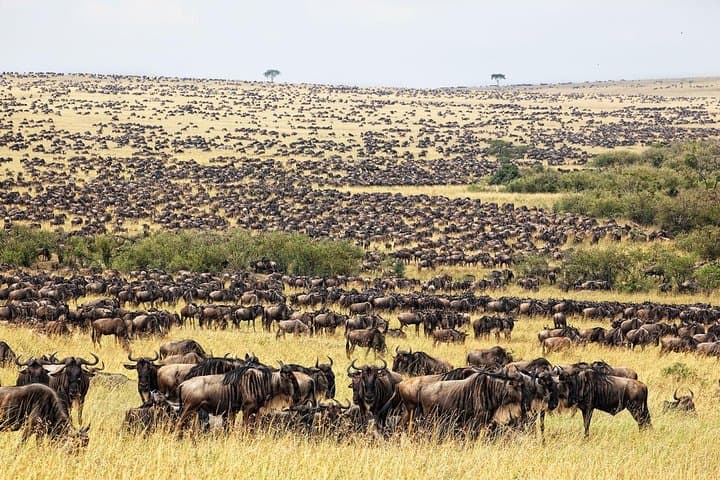
Geology tips the scene: the Mara sits on the eastern edge of the Great Rift Valley, its escarpments and ox-bow lakes carved by millennia of shifting earth and seasonal rivers. Culturally the reserve is Maasai country—pastoral communities still graze cattle and maintain conservancies that shape land-use and tourism. Historically the Mara became globally famous for its dramatic wildlife concentrations and the wildebeest migration, which stages its most cinematic river crossings here.
Expect two full days of guided game drives from a lodge base, with optional hot-air ballooning at sunrise for a quiet, gravity-light view over the migration. Guides use local knowledge and radio networks to track big cats and crossings, so patience often rewards you with prime sightings rather than constant spectacle.
Practical notes: vehicles are the primary mode—prepare for bumpy tracks and early starts. Park entrance fees are paid on arrival; bring layered clothing for cool mornings, strong sun protection for midday, and binoculars for distant spotting. Respect Maasai lands and wildlife protocols: keep windows partly closed near predators, minimize noise, and tip guides and lodge staff for attentive service.
easy.
4 days.
Suitable for travelers in average physical condition; involves long vehicle days and short walks at lodge and viewpoints
They are not included in the tour price shown; current fees are paid on arrival—confirm the exact USD amount before travel as rates can change.
The balloon flight is an optional extra and must be booked separately; it’s weather-dependent and typically scheduled at sunrise.
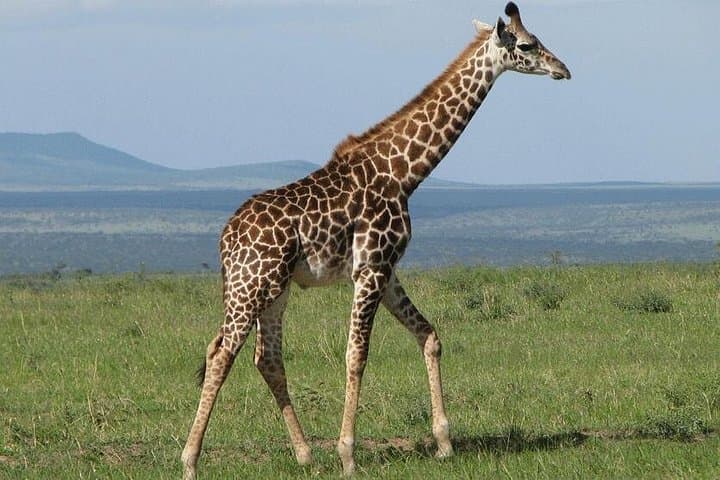
Expect frequent sightings of wildebeest, zebra, elephants, buffalo, and a good chance of lions and leopards—birdlife exceeds 400 species on record.
Consult a travel clinic—yellow fever vaccination may be required depending on origin, and malaria prophylaxis is commonly recommended for Masai Mara travel.
The Mara’s protected areas grew in the 20th century as colonial-era game reserves, and Maasai pastoralism has shaped the landscape for centuries; many conservancies now partner with lodges to balance grazing and wildlife corridors.
Community conservancies and park fees fund anti-poaching and habitat management, but pressures from development and climate variability mean responsible tourism—staying on tracks, supporting local guides—matters.
Gracepatt Ecotours Kenya operates guided outdoor trips and adventures with an emphasis on safety, stewardship, and memorable experiences.
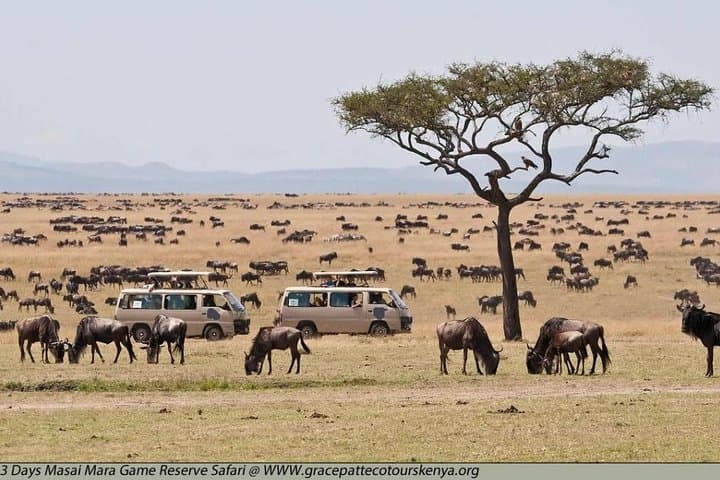
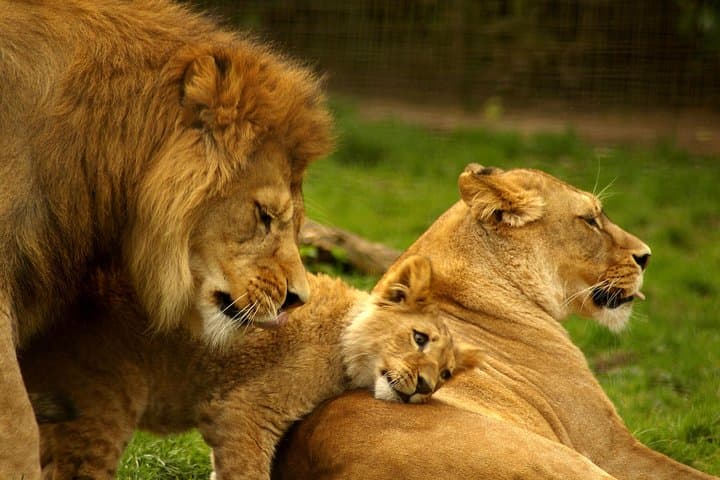
Dawn throws a copper light across the Mara’s open plains as a 4x4 Land Cruiser eases onto a game track. The air tastes of dust and grass; acacia silhouettes puncture the horizon and distant hooves raise clouds where a herd moves like a living river. Days here are measured by sightings—lion lounging in shade, elephant columns dotting the skyline, and the occasional plume of dust that signals a distant chase.
Dawn throws a copper light across the Mara’s open plains as a 4x4 Land Cruiser eases onto a game track. The air tastes of dust and grass; acacia silhouettes puncture the horizon and distant hooves raise clouds where a herd moves like a living river. Days here are measured by sightings—lion lounging in shade, elephant columns dotting the skyline, and the occasional plume of dust that signals a distant chase.
Geology tips the scene: the Mara sits on the eastern edge of the Great Rift Valley, its escarpments and ox-bow lakes carved by millennia of shifting earth and seasonal rivers. Culturally the reserve is Maasai country—pastoral communities still graze cattle and maintain conservancies that shape land-use and tourism. Historically the Mara became globally famous for its dramatic wildlife concentrations and the wildebeest migration, which stages its most cinematic river crossings here.
Expect two full days of guided game drives from a lodge base, with optional hot-air ballooning at sunrise for a quiet, gravity-light view over the migration. Guides use local knowledge and radio networks to track big cats and crossings, so patience often rewards you with prime sightings rather than constant spectacle.
Practical notes: vehicles are the primary mode—prepare for bumpy tracks and early starts. Park entrance fees are paid on arrival; bring layered clothing for cool mornings, strong sun protection for midday, and binoculars for distant spotting. Respect Maasai lands and wildlife protocols: keep windows partly closed near predators, minimize noise, and tip guides and lodge staff for attentive service.