THE ADVENTURE COLLECTIVE® · Independent discovery and booking for outdoor travel

Four days of open-roof game drives across the Masai Mara and Lake Nakuru deliver big cats, rhinos and vast flamingo flocks. This budget camping safari blends long wildlife days with simple camp comforts—ideal for first-time safari goers who want immersive game viewing without luxury price tags.
Four days of open-roof game drives across the Masai Mara and Lake Nakuru deliver big cats, rhinos and vast flamingo flocks. This budget camping safari blends long wildlife days with simple camp comforts—ideal for first-time safari goers who want immersive game viewing without luxury price tags.
The morning light slices across the Mara grasslands and the air tastes of dust and heat; a low, distant rumble of hooves punctuates the silence as your open-roof 4x4 nudges along a game trail. Hippos huff in the river below and a lone acacia throws a long shadow across the plain as you scan for movement — lions, elephants, and the watchful eyes of grazing wildebeest.
Verified experiences and guided adventures in the surrounding area.
Operated by Muringa Kenya Tours & Safaris Ltd · Narok, Narok County
The morning light slices across the Mara grasslands and the air tastes of dust and heat; a low, distant rumble of hooves punctuates the silence as your open-roof 4x4 nudges along a game trail. Hippos huff in the river below and a lone acacia throws a long shadow across the plain as you scan for movement — lions, elephants, and the watchful eyes of grazing wildebeest.
The itinerary links two contrasting landscapes: the volcanic escarpment and rolling plains of the Maasai Mara — carved by tectonic forces of the Rift Valley — and the alkaline fringes of Lake Nakuru, a shallow soda lake famed for its flamingo flocks. Maasai culture threads through both places; pastoral communities have managed grazing routes here for generations and offer candid village visits that reveal everyday life and craft.
Expect long windows of wildlife viewing from sunrise to dusk, punctuated by short walks at camps and picnic lunches. The geology shifts from red-earth tracks and kopjes in the Mara to the pink shoreline and rocky ridges framing Nakuru. Conservation matters: rhino protection and anti-poaching patrols are active, and visitor behavior directly affects fragile habitats.
Practical notes: travel is by rugged safari vehicle with camping at simple tourist camps, so pack for dust, sun, and early starts. Bring binoculars, a charged camera, layered clothing for cool mornings, and reusable water bottles. Plan park entrance fees in advance and time your trip July–October to align with heightened migration chances; quieter months still offer resident predators and bird spectacles.
moderate.
4 days.
Suitable for travelers in average fitness—requires tolerance for long vehicle drives, short walks, and camping conditions
Park entrance fees are typically charged separately; verify the current fee with the operator and budget for payment at the park gate (the tour notes an approximate fee that must be confirmed).
The Mara sees large migration activity from July to October when herds enter from the Serengeti and river crossings peak, though sightings vary by year and weather.
Infants are permitted but must sit on an adult’s lap; discuss age restrictions and comfort with the operator—long drives and basic camp facilities mean it’s best for children used to travel.
Consult a travel clinic for recommended vaccinations (e.g., yellow fever, typhoid) and carry malaria prophylaxis; bring motion-sickness remedies for bumpy roads.
The Maasai people have grazed these plains for centuries; colonial-era boundaries later shaped park protections that now support tourism and conservation.
Rhino protection and anti-poaching units are active in both parks; visitors can support sustainability by following park rules, minimizing waste, and choosing operators that contribute to local conservation.
Muringa Kenya Tours & Safaris Ltd operates guided outdoor trips and adventures with an emphasis on safety, stewardship, and memorable experiences.
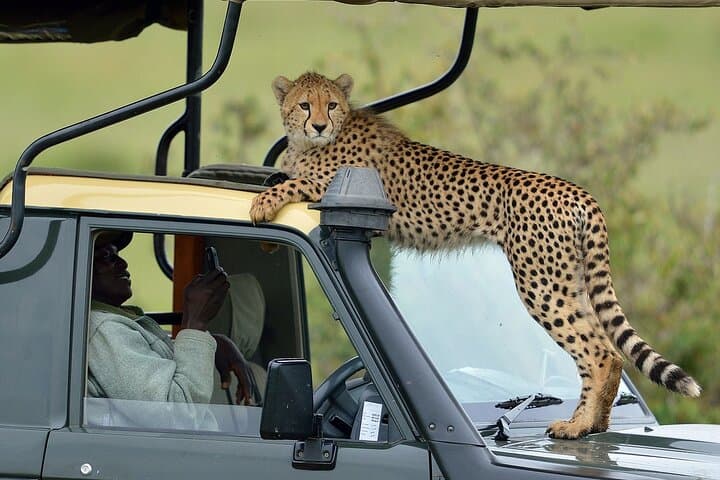
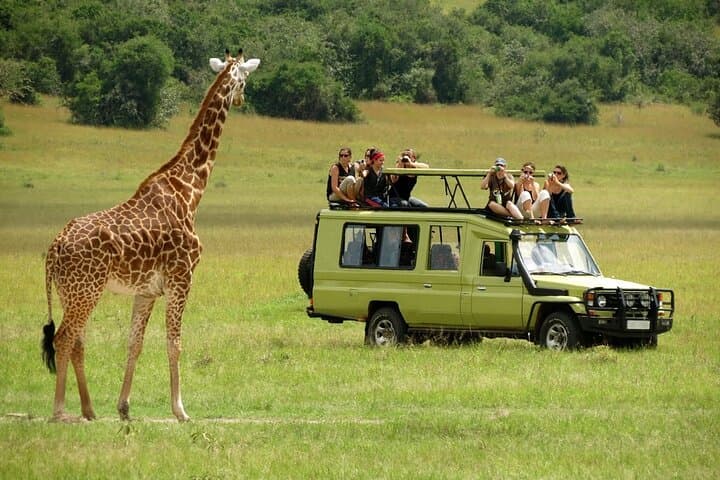
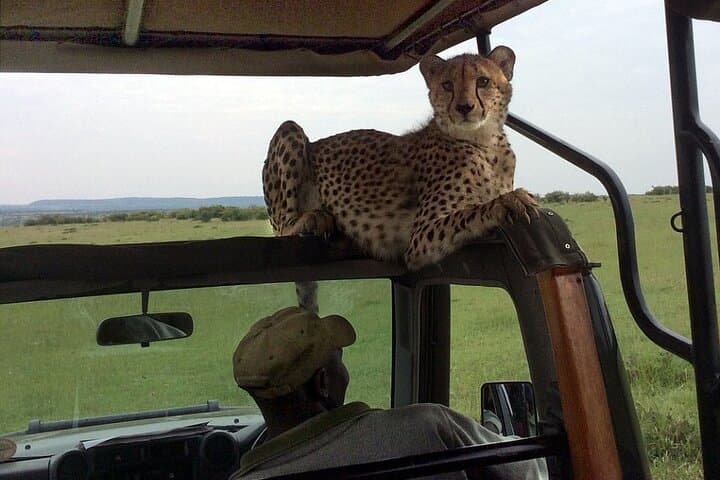
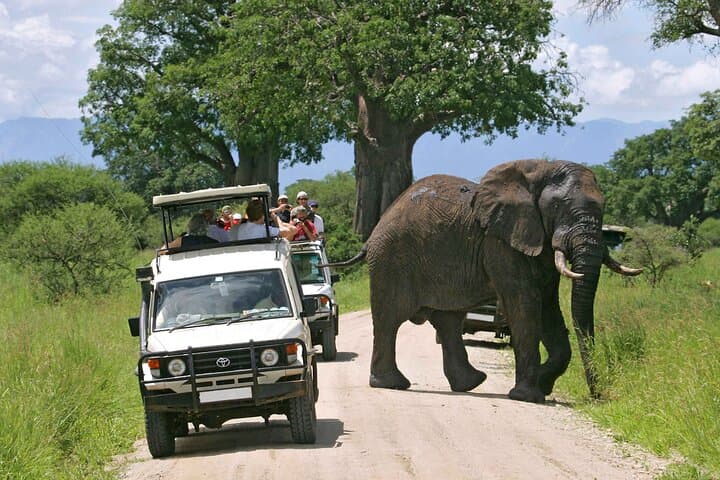
The morning light slices across the Mara grasslands and the air tastes of dust and heat; a low, distant rumble of hooves punctuates the silence as your open-roof 4x4 nudges along a game trail. Hippos huff in the river below and a lone acacia throws a long shadow across the plain as you scan for movement — lions, elephants, and the watchful eyes of grazing wildebeest.
The morning light slices across the Mara grasslands and the air tastes of dust and heat; a low, distant rumble of hooves punctuates the silence as your open-roof 4x4 nudges along a game trail. Hippos huff in the river below and a lone acacia throws a long shadow across the plain as you scan for movement — lions, elephants, and the watchful eyes of grazing wildebeest.
The itinerary links two contrasting landscapes: the volcanic escarpment and rolling plains of the Maasai Mara — carved by tectonic forces of the Rift Valley — and the alkaline fringes of Lake Nakuru, a shallow soda lake famed for its flamingo flocks. Maasai culture threads through both places; pastoral communities have managed grazing routes here for generations and offer candid village visits that reveal everyday life and craft.
Expect long windows of wildlife viewing from sunrise to dusk, punctuated by short walks at camps and picnic lunches. The geology shifts from red-earth tracks and kopjes in the Mara to the pink shoreline and rocky ridges framing Nakuru. Conservation matters: rhino protection and anti-poaching patrols are active, and visitor behavior directly affects fragile habitats.
Practical notes: travel is by rugged safari vehicle with camping at simple tourist camps, so pack for dust, sun, and early starts. Bring binoculars, a charged camera, layered clothing for cool mornings, and reusable water bottles. Plan park entrance fees in advance and time your trip July–October to align with heightened migration chances; quieter months still offer resident predators and bird spectacles.