THE ADVENTURE COLLECTIVE® · Independent discovery and booking for outdoor travel

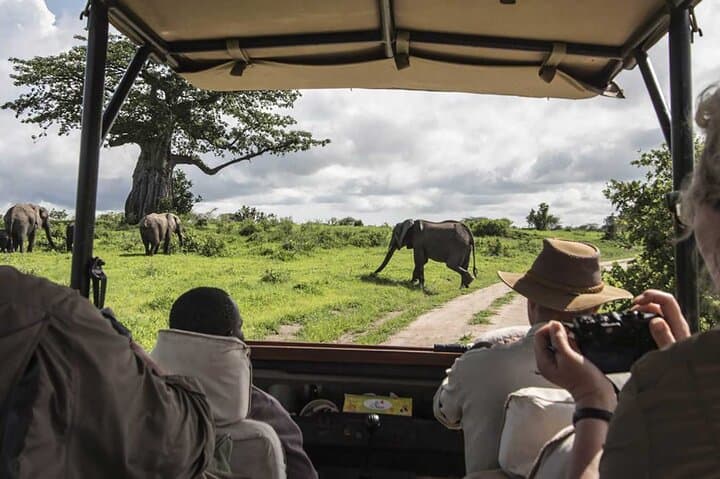
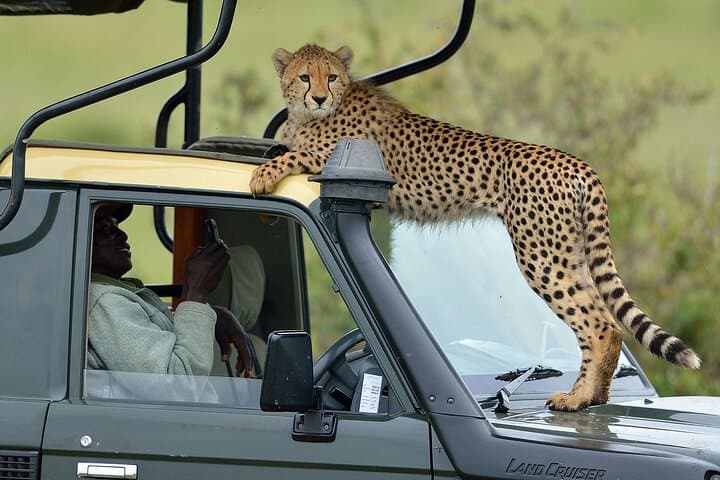
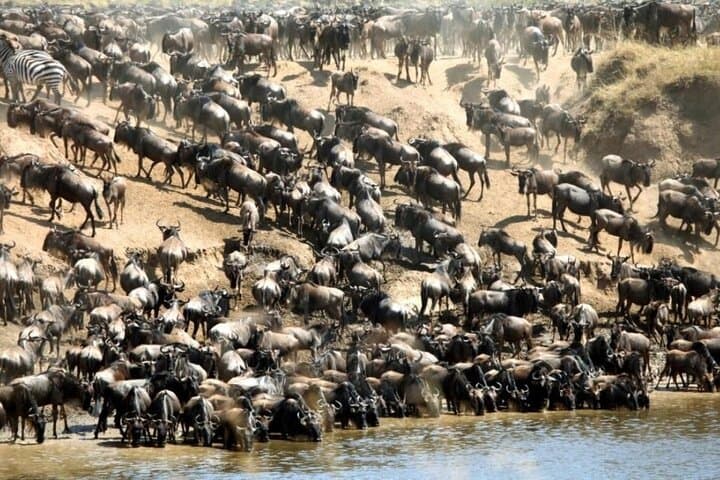
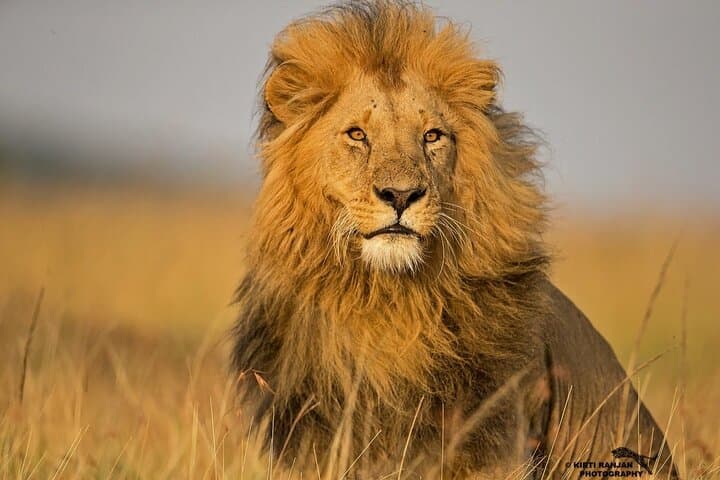
Four days of open-roof game drives from a lodge base in the Masai Mara, timed to chase large plains mammals and the famed wildebeest migration. Expect dawn and dusk drives, long dirt tracks, and close encounters with Africa’s Big Five.
Four days of open-roof game drives from a lodge base in the Masai Mara, timed to chase large plains mammals and the famed wildebeest migration. Expect dawn and dusk drives, long dirt tracks, and close encounters with Africa’s Big Five.
The sun breaks over a flat horizon of grass and the land seems to breathe—steam rising in the cool morning as the Land Cruiser rolls quietly toward the Mara River. Dust lifts in a thin ribbon behind the open-roof 4x4; a giraffe lifts its head like a question, and the air smells of dry grass and distant water.
Verified experiences and guided adventures in the surrounding area.
Operated by Muringa Kenya Tours & Safaris Ltd · Masai Mara, Narok County
The sun breaks over a flat horizon of grass and the land seems to breathe—steam rising in the cool morning as the Land Cruiser rolls quietly toward the Mara River. Dust lifts in a thin ribbon behind the open-roof 4x4; a giraffe lifts its head like a question, and the air smells of dry grass and distant water.
The Masai Mara National Reserve, roughly 1,510 km² of open savannah and riverine woodland carved by the Mara and Talek rivers, is where geology and life meet. The Rift Valley walls mark a far ridge; volcanic soils feed the grasses that feed the migration. The reserve sits in Narok County where Maasai pastoral culture and protected wildlife zones have coexisted for decades—the reserve itself dates to the mid-20th century and remains central to both tourism and local livelihoods.
This private, four-day itinerary runs from Nairobi through the Rift Valley (about a 5–6 hour drive) with morning and afternoon game drives from a lodge base. Expect long vehicle hours watching plains unfold: wildebeest, zebra, lion, cheetah, elephant and hippo are regulars, and dry-season migration peaks July–October. Drives follow dirt tracks that can become rutted after rains; riverine pockets offer shaded birdlife and more elusive mammals.
Practical guidance: plan for early starts and long days in the vehicle, bring layered clothing for cool mornings and hot afternoons, carry binoculars and a fast lens, and keep cash for tips and incidental park charges. Hydrate, protect skin from sun and dust, and listen to guides—safety and the best sightings come from patience and respect for the animals and the land.
easy.
4 days.
Suitable for travelers who can sit for long periods, climb in/out of a safari vehicle, and handle bumpy rides.
The main migration in the Masai Mara typically runs July–October, with river crossings most common in August–September, though exact timing varies yearly.
Expect about 5–6 hours by road via the Nakuru highway and Rift Valley viewpoint, depending on traffic and stops en route.
Yes—this private tour notes it’s suitable for all fitness levels; however, families should plan for long vehicle hours and follow guide safety instructions.
Inclusions vary by operator—confirm with the tour provider before booking and carry some local currency for any additional fees or tips.
The Masai Mara Reserve was established in the 1960s and sits on traditional Maasai grazing land; tourism and community programs have evolved together over decades.
Sustainable tourism and regulated vehicle access help limit disturbance, while community-based initiatives aim to balance wildlife protection with Maasai livelihoods.
Muringa Kenya Tours & Safaris Ltd operates guided outdoor trips and adventures with an emphasis on safety, stewardship, and memorable experiences.
The sun breaks over a flat horizon of grass and the land seems to breathe—steam rising in the cool morning as the Land Cruiser rolls quietly toward the Mara River. Dust lifts in a thin ribbon behind the open-roof 4x4; a giraffe lifts its head like a question, and the air smells of dry grass and distant water.
The sun breaks over a flat horizon of grass and the land seems to breathe—steam rising in the cool morning as the Land Cruiser rolls quietly toward the Mara River. Dust lifts in a thin ribbon behind the open-roof 4x4; a giraffe lifts its head like a question, and the air smells of dry grass and distant water.
The Masai Mara National Reserve, roughly 1,510 km² of open savannah and riverine woodland carved by the Mara and Talek rivers, is where geology and life meet. The Rift Valley walls mark a far ridge; volcanic soils feed the grasses that feed the migration. The reserve sits in Narok County where Maasai pastoral culture and protected wildlife zones have coexisted for decades—the reserve itself dates to the mid-20th century and remains central to both tourism and local livelihoods.
This private, four-day itinerary runs from Nairobi through the Rift Valley (about a 5–6 hour drive) with morning and afternoon game drives from a lodge base. Expect long vehicle hours watching plains unfold: wildebeest, zebra, lion, cheetah, elephant and hippo are regulars, and dry-season migration peaks July–October. Drives follow dirt tracks that can become rutted after rains; riverine pockets offer shaded birdlife and more elusive mammals.
Practical guidance: plan for early starts and long days in the vehicle, bring layered clothing for cool mornings and hot afternoons, carry binoculars and a fast lens, and keep cash for tips and incidental park charges. Hydrate, protect skin from sun and dust, and listen to guides—safety and the best sightings come from patience and respect for the animals and the land.