THE ADVENTURE COLLECTIVE® · Independent discovery and booking for outdoor travel

Four days in the Maasai Mara put you into the centre of East Africa’s most famous game country: dawn game drives, full-day searching for the big five, and a chance to watch the great migration along the Mara River. This guided safari pairs pop-up-roof Land Cruisers with tented nights and local ranger expertise.
Four days in the Maasai Mara put you into the centre of East Africa’s most famous game country: dawn game drives, full-day searching for the big five, and a chance to watch the great migration along the Mara River. This guided safari pairs pop-up-roof Land Cruisers with tented nights and local ranger expertise.
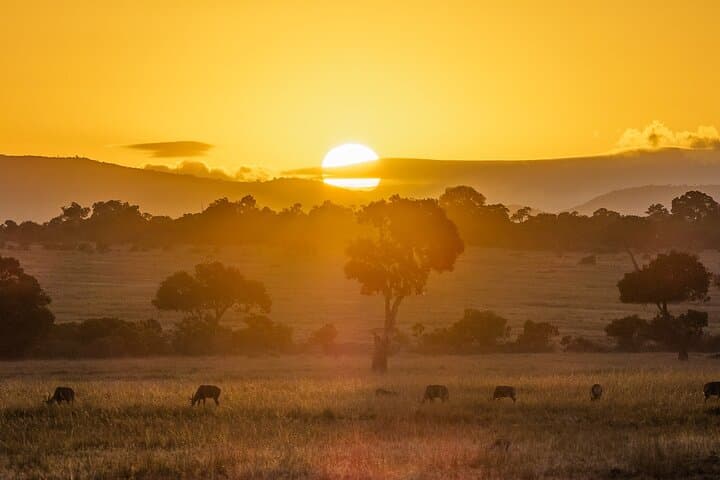
Morning light spills across the savanna and the land cruiser rolls forward—dust plumes behind, binoculars at the ready. The air smells of dry grass and distant acacia resin; a lion’s low exhale seems to hang just beyond the crown of the single tree on the horizon.
Verified experiences and guided adventures in the surrounding area.
Operated by Zazu Safari Ventures · Maasai Mara, Narok County
Morning light spills across the savanna and the land cruiser rolls forward—dust plumes behind, binoculars at the ready. The air smells of dry grass and distant acacia resin; a lion’s low exhale seems to hang just beyond the crown of the single tree on the horizon.
The Maasai Mara sits on the floor of the East African Rift, its rolling plains carved by rivers that dare you closer: the Mara River is both highway and hazard for migrating herds. Human history here is recent and vivid—the Maasai people have grazed cattle and maintained a reciprocal relationship with this landscape for generations, while colonial-era conservation created the modern reserve boundaries and tourism economy.
Geology gives the Mara its broad bowls and escarpments; seasonal rains sculpt grazing patterns that the great migration follows. Culture and conservation converge at campfires where guides translate animal behavior into practical choices for where to look and when to wait.
Practically: this tour uses a pop-up-roof Land Cruiser for elevated viewing, three full game-drive days and three nights in tented camp accommodation with basic hot water and evening electricity. Expect long windows of vehicle-based observation, early starts for dawn activity, and dusty roads after rains. Bring layered clothing for chilly mornings, a telephoto lens or binoculars for distant cats, and a patient camera finger—the Mara’s big cats and river crossings require time and stillness.
If you want predictable animal sightings, plan for the dry season and full-day drives; if you want river-crossing drama, target July–October. Respect local guidance, keep distance from wildlife, and carry reusable water—both for comfort and to reduce waste on the plains.
easy.
4 days.
Low-impact: able to sit for long game-drive periods, get in/out of vehicles, and handle short walks at sightings.
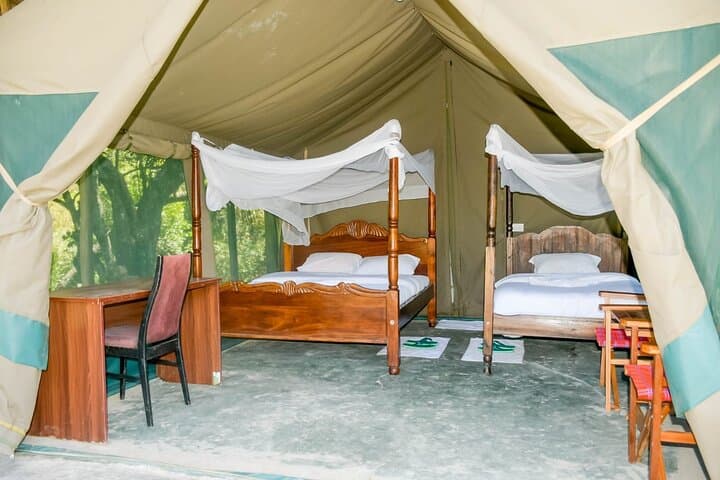
Tents on this tour include a private washroom and hot water in the evenings; facilities are basic but private, with electricity typically available between about 6–10pm.
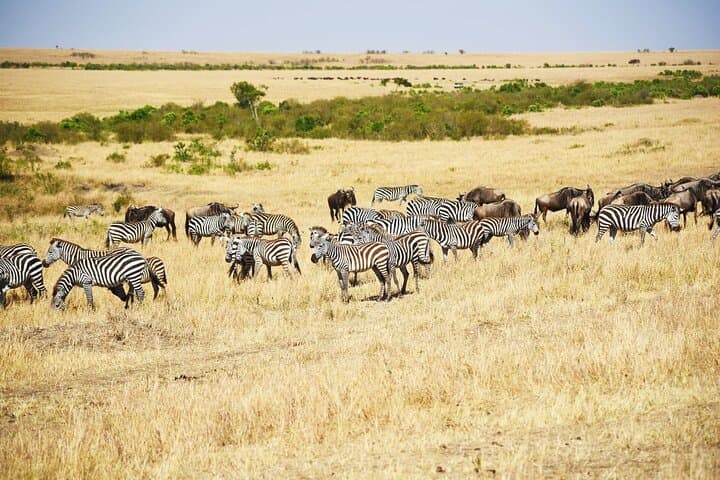
The migration follows seasonal patterns; July–October has the best chance of river crossings in the Mara, but sightings can never be guaranteed—wildlife is unpredictable.
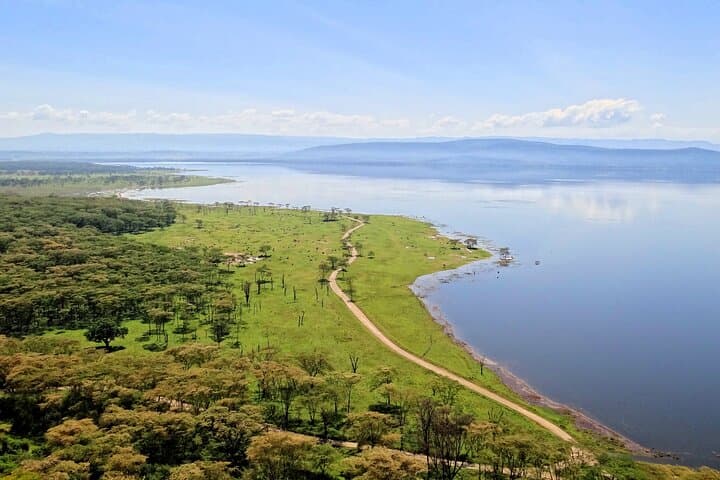
Pickup is provided within Nairobi city centre; the drive to Maasai Mara takes about 5–6 hours with a scenic Rift Valley viewpoint stop en route.
Yes—game drives are vehicle-based with minimal walking; however, guests should be prepared for dust, bumpy roads, and early starts.
The Maasai people have grazed this landscape for generations; the reserve system grew in the 20th century around both conservation and tourism needs.
Visitor numbers are managed through park fees and regulated camp operations; stick to vehicle tracks and pack out waste to minimize impact.
Zazu Safari Ventures operates guided outdoor trips and adventures with an emphasis on safety, stewardship, and memorable experiences.
Morning light spills across the savanna and the land cruiser rolls forward—dust plumes behind, binoculars at the ready. The air smells of dry grass and distant acacia resin; a lion’s low exhale seems to hang just beyond the crown of the single tree on the horizon.
Morning light spills across the savanna and the land cruiser rolls forward—dust plumes behind, binoculars at the ready. The air smells of dry grass and distant acacia resin; a lion’s low exhale seems to hang just beyond the crown of the single tree on the horizon.
The Maasai Mara sits on the floor of the East African Rift, its rolling plains carved by rivers that dare you closer: the Mara River is both highway and hazard for migrating herds. Human history here is recent and vivid—the Maasai people have grazed cattle and maintained a reciprocal relationship with this landscape for generations, while colonial-era conservation created the modern reserve boundaries and tourism economy.
Geology gives the Mara its broad bowls and escarpments; seasonal rains sculpt grazing patterns that the great migration follows. Culture and conservation converge at campfires where guides translate animal behavior into practical choices for where to look and when to wait.
Practically: this tour uses a pop-up-roof Land Cruiser for elevated viewing, three full game-drive days and three nights in tented camp accommodation with basic hot water and evening electricity. Expect long windows of vehicle-based observation, early starts for dawn activity, and dusty roads after rains. Bring layered clothing for chilly mornings, a telephoto lens or binoculars for distant cats, and a patient camera finger—the Mara’s big cats and river crossings require time and stillness.
If you want predictable animal sightings, plan for the dry season and full-day drives; if you want river-crossing drama, target July–October. Respect local guidance, keep distance from wildlife, and carry reusable water—both for comfort and to reduce waste on the plains.