THE ADVENTURE COLLECTIVE® · Independent discovery and booking for outdoor travel

A compact 4-day group safari from Nairobi that pairs the predator-rich Masai Mara with the bird-studded shores of Lake Nakuru. Expect daily game drives, simple camp or lodge stays, and close encounters with Kenya’s iconic wildlife.
A compact 4-day group safari from Nairobi that pairs the predator-rich Masai Mara with the bird-studded shores of Lake Nakuru. Expect daily game drives, simple camp or lodge stays, and close encounters with Kenya’s iconic wildlife.
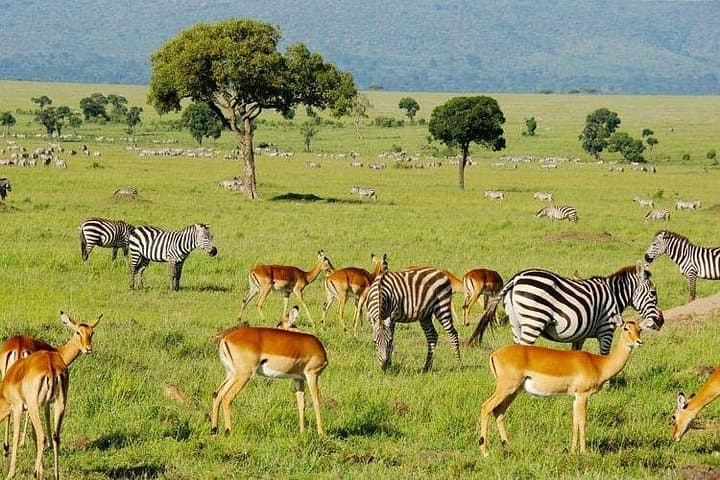
Dust lifts in thin ribbons as the safari truck eases off the tarmac and into the great valley’s theater — acacia silhouettes cut against a sky that feels too big to hold. On day one the road follows the floor of the Great Rift Valley, a scar of volcanic uplift and tectonic history that frames a route toward the Mara’s rolling grasslands. Expect wide savanna, riverine thickets and stands of termite mounds that map animal movement across the plains.
Verified experiences and guided adventures in the surrounding area.
Operated by Gracepatt Ecotours Kenya · Nairobi, Narok County
Dust lifts in thin ribbons as the safari truck eases off the tarmac and into the great valley’s theater — acacia silhouettes cut against a sky that feels too big to hold. On day one the road follows the floor of the Great Rift Valley, a scar of volcanic uplift and tectonic history that frames a route toward the Mara’s rolling grasslands. Expect wide savanna, riverine thickets and stands of termite mounds that map animal movement across the plains.
Masai Mara’s name carries Maasai culture and a long history of pastoral stewardship; the reserve’s geology — ancient volcanic ash and eroded escarpments — creates the seasonal wetlands and river channels wildlife depend on. Lake Nakuru, an alkaline shallow lake inside the Rift, offers a different palette: chalky shorelines where flamingos concentrate and protected rhino populations graze nearby.
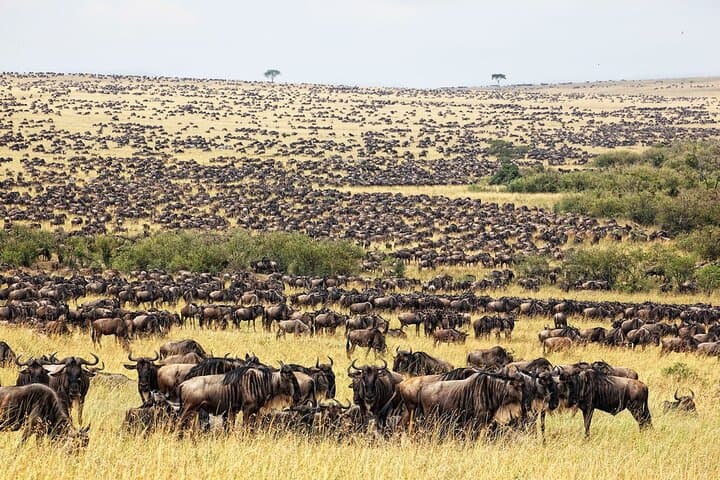
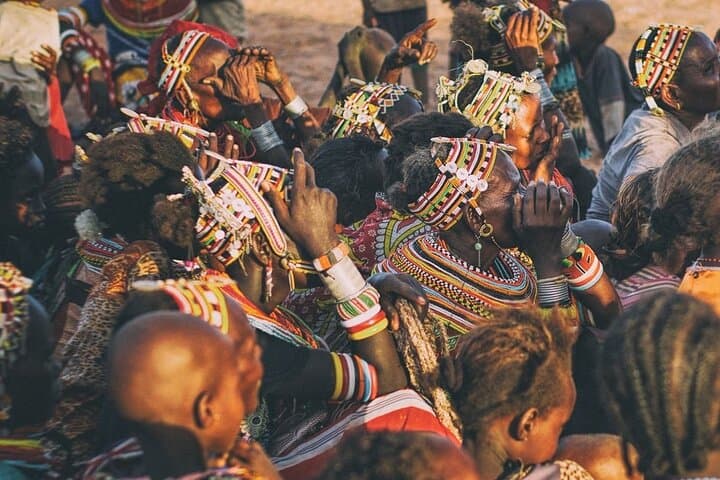
Each day alternates long game drives and quieter observation: big cats prowling acacia shade, elephants moving in families, and flocks of pink on Nakuru’s edge. Cultural visits give context — Maasai village tours explain pastoral life and local craft traditions that coexist with conservation efforts.
Practical guidance: travel light but bring binoculars and layered clothing for cool mornings and warmer afternoons. Vehicles are rugged, drives are long; carry sunscreen, a refillable water bottle and a daypack. Photography benefits from a 200–400mm lens. Plan for early starts, modest camp or lodge accommodation, and park fees included in organized itineraries. The route is accessible for most fitness levels but rewards patience, quiet observation and respect for local rules.
easy.
4 days.
Suitable for most people in light to moderate fitness; involves long vehicle days and short walks at lodges or viewpoints.
Most include park entry fees, shared vehicle game drives, accommodation (camp or simple lodge), and meals as listed; optional extras often include balloon safaris and cultural visits.
The Mara typically sees the migration between July and October when herds cross from the Serengeti; timing varies yearly depending on rains and pasture.
Budget group safaris usually use basic tented camps or simple lodges with private or shared facilities — expect clean, functional lodging rather than luxury amenities.
Travelers to Kenya should check current visa requirements and recommended vaccinations (e.g., yellow fever if arriving from affected countries); consult a travel clinic before departure.
The Masai Mara sits on ancestral Maasai grazing lands; the reserve’s boundaries and management reflect decades of negotiation between communities and conservation authorities.
Both parks are active in species protection—Nakuru is a key rhino sanctuary while Mara programmes focus on anti-poaching and community-based conservation to balance tourism and local livelihoods.
Gracepatt Ecotours Kenya operates guided outdoor trips and adventures with an emphasis on safety, stewardship, and memorable experiences.
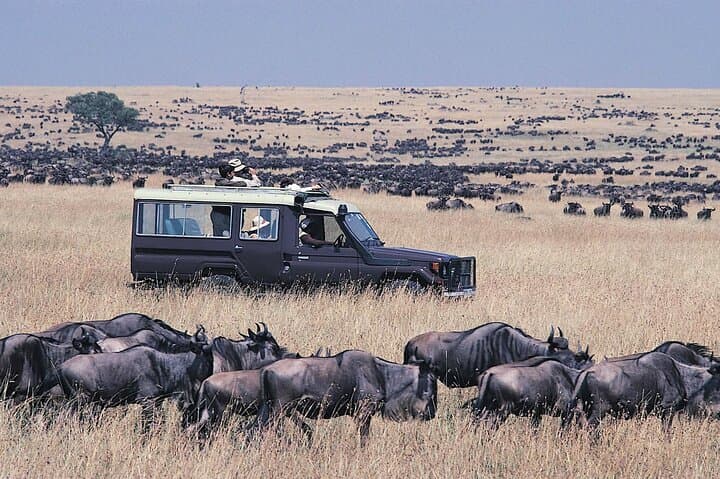
Dust lifts in thin ribbons as the safari truck eases off the tarmac and into the great valley’s theater — acacia silhouettes cut against a sky that feels too big to hold. On day one the road follows the floor of the Great Rift Valley, a scar of volcanic uplift and tectonic history that frames a route toward the Mara’s rolling grasslands. Expect wide savanna, riverine thickets and stands of termite mounds that map animal movement across the plains.
Dust lifts in thin ribbons as the safari truck eases off the tarmac and into the great valley’s theater — acacia silhouettes cut against a sky that feels too big to hold. On day one the road follows the floor of the Great Rift Valley, a scar of volcanic uplift and tectonic history that frames a route toward the Mara’s rolling grasslands. Expect wide savanna, riverine thickets and stands of termite mounds that map animal movement across the plains.
Masai Mara’s name carries Maasai culture and a long history of pastoral stewardship; the reserve’s geology — ancient volcanic ash and eroded escarpments — creates the seasonal wetlands and river channels wildlife depend on. Lake Nakuru, an alkaline shallow lake inside the Rift, offers a different palette: chalky shorelines where flamingos concentrate and protected rhino populations graze nearby.
Each day alternates long game drives and quieter observation: big cats prowling acacia shade, elephants moving in families, and flocks of pink on Nakuru’s edge. Cultural visits give context — Maasai village tours explain pastoral life and local craft traditions that coexist with conservation efforts.
Practical guidance: travel light but bring binoculars and layered clothing for cool mornings and warmer afternoons. Vehicles are rugged, drives are long; carry sunscreen, a refillable water bottle and a daypack. Photography benefits from a 200–400mm lens. Plan for early starts, modest camp or lodge accommodation, and park fees included in organized itineraries. The route is accessible for most fitness levels but rewards patience, quiet observation and respect for local rules.