THE ADVENTURE COLLECTIVE® · Independent discovery and booking for outdoor travel

Cross the High Atlas, explore Aït Ben Haddou, and sleep under the Erg Chebbi stars on this compact 4-day Morocco circuit. Expect kasbahs, gorges, camel rides and desert sunrises.
Cross the High Atlas, explore Aït Ben Haddou, and sleep under the Erg Chebbi stars on this compact 4-day Morocco circuit. Expect kasbahs, gorges, camel rides and desert sunrises.
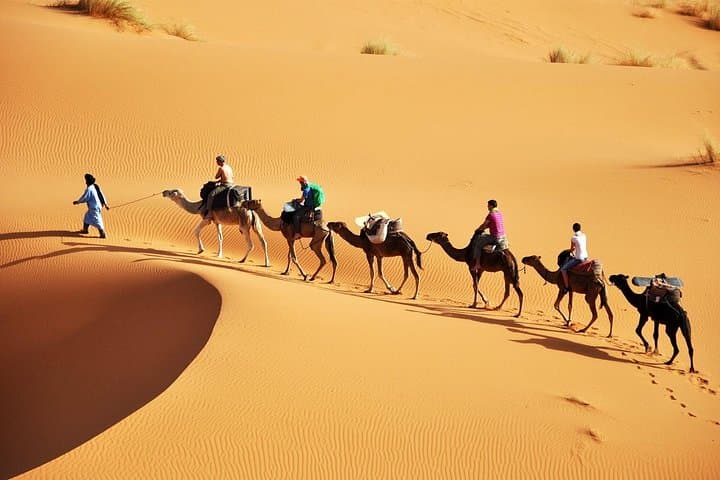
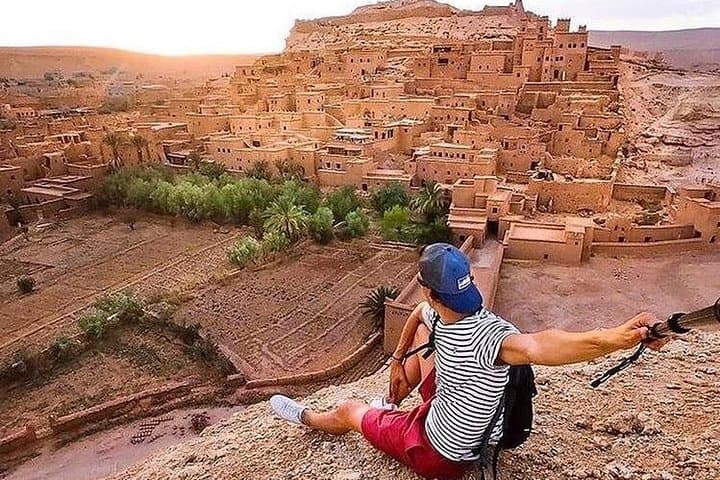
Dawn breaks on the High Atlas; the road curls upward, cool air filling the van as the plain below shrinks into a patchwork of palms and terraces. By midday, mud-brick towers of Aït Ben Haddou rise from the heat, their clay walls absorbing centuries of trade and film crews alike. Over the next four days the landscape keeps shifting — red sandstone gorges, palm-lined oases, and finally the rolling Erg Chebbi dunes where camels pick a slow, unhurried rhythm across wind-sculpted sand.
Verified experiences and guided adventures in the surrounding area.
Operated by Marrakech Tours · Merzouga, Drâa-Tafilalet
Dawn breaks on the High Atlas; the road curls upward, cool air filling the van as the plain below shrinks into a patchwork of palms and terraces. By midday, mud-brick towers of Aït Ben Haddou rise from the heat, their clay walls absorbing centuries of trade and film crews alike. Over the next four days the landscape keeps shifting — red sandstone gorges, palm-lined oases, and finally the rolling Erg Chebbi dunes where camels pick a slow, unhurried rhythm across wind-sculpted sand.
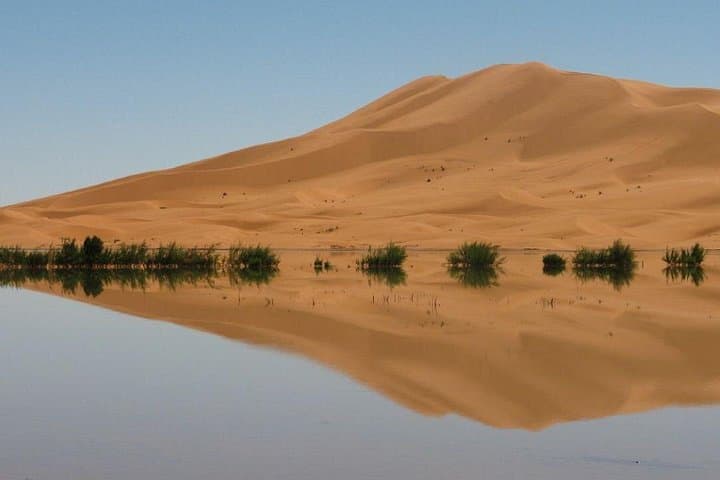
The route traces old caravan tracks and French-era mining roads, carrying stories of Berber clans, trans-Saharan trade, and colonial contact in the towns of Ouarzazate and Tinghir. Geologically, you move from folded Atlas ranges into the Sahara’s sandy sea, where dunes are living features that migrate with seasonal winds.
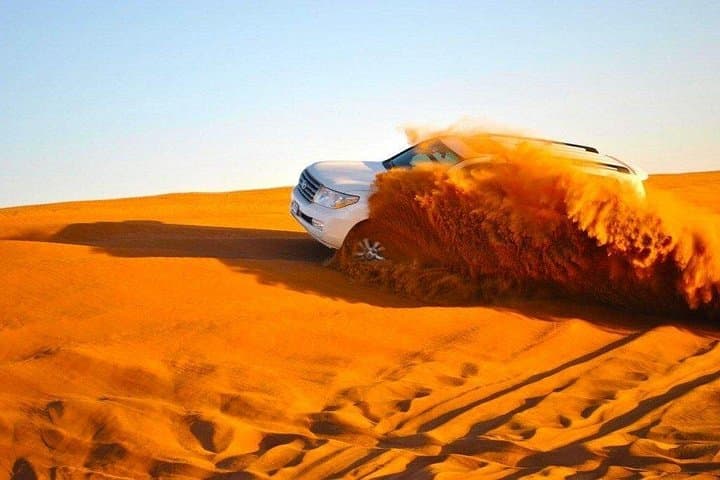
Expect overnight stays in small kasbah hotels, a night in a desert camp under expansive skies, sunrise dune climbs, and 4x4 excursions to isolated springs, nomad tents, and the Khamlia music village. Local guides offer context on pottery, palm irrigation, and the rhythm of oasis life.
Practical notes: pack layered clothing (nights are cold), bring strong sun protection, and plan early starts for photography and cooler travel. The itinerary suits steady walkers and curious travelers rather than technical mountaineers. Reserve water, respect private and protected spaces, and follow your guide when crossing soft dunes — the desert rewards patience and preparation.
moderate.
4 days.
Suitable for travelers in reasonable shape: able to walk dunes and climb short steep slopes and endure long vehicle transfers.
Camel rides to the camp typically last 45–60 minutes at a plodding pace; you can request shorter or longer transfers when booking.
This tour includes three breakfasts and three dinners plus lunch on specified days — local dishes like tagine and Berber pizza are common.
Camps provide basic but well-equipped tents, sleeping pads, and blankets; expect simple facilities and a focus on stargazing and local music.
Yes — small vendors, entrance fees at local sites, and tips are usually cash-only; ATMs are sparse outside major towns.
Aït Ben Haddou grew as a fortified caravan stop on the trans-Saharan trade routes and later served as a film location; the region mixes Amazigh (Berber) cultural traditions with Arab influences.
Dune systems are fragile — avoid driving over vegetation, minimize fire, and use local guides to reduce erosion and disturbance.
Marrakech Tours operates guided outdoor trips and adventures with an emphasis on safety, stewardship, and memorable experiences.
Dawn breaks on the High Atlas; the road curls upward, cool air filling the van as the plain below shrinks into a patchwork of palms and terraces. By midday, mud-brick towers of Aït Ben Haddou rise from the heat, their clay walls absorbing centuries of trade and film crews alike. Over the next four days the landscape keeps shifting — red sandstone gorges, palm-lined oases, and finally the rolling Erg Chebbi dunes where camels pick a slow, unhurried rhythm across wind-sculpted sand.
Dawn breaks on the High Atlas; the road curls upward, cool air filling the van as the plain below shrinks into a patchwork of palms and terraces. By midday, mud-brick towers of Aït Ben Haddou rise from the heat, their clay walls absorbing centuries of trade and film crews alike. Over the next four days the landscape keeps shifting — red sandstone gorges, palm-lined oases, and finally the rolling Erg Chebbi dunes where camels pick a slow, unhurried rhythm across wind-sculpted sand.
The route traces old caravan tracks and French-era mining roads, carrying stories of Berber clans, trans-Saharan trade, and colonial contact in the towns of Ouarzazate and Tinghir. Geologically, you move from folded Atlas ranges into the Sahara’s sandy sea, where dunes are living features that migrate with seasonal winds.
Expect overnight stays in small kasbah hotels, a night in a desert camp under expansive skies, sunrise dune climbs, and 4x4 excursions to isolated springs, nomad tents, and the Khamlia music village. Local guides offer context on pottery, palm irrigation, and the rhythm of oasis life.
Practical notes: pack layered clothing (nights are cold), bring strong sun protection, and plan early starts for photography and cooler travel. The itinerary suits steady walkers and curious travelers rather than technical mountaineers. Reserve water, respect private and protected spaces, and follow your guide when crossing soft dunes — the desert rewards patience and preparation.