THE ADVENTURE COLLECTIVE® · Independent discovery and booking for outdoor travel

Four days of Atlas switches, canyon overlooks, and Erg Chebbi dunes: this Marrakech-to-Merzouga itinerary pairs long scenic drives with a classic camel ride and an overnight in a desert camp. Read on for what to expect, cultural highlights, and practical packing tips.
Four days of Atlas switches, canyon overlooks, and Erg Chebbi dunes: this Marrakech-to-Merzouga itinerary pairs long scenic drives with a classic camel ride and an overnight in a desert camp. Read on for what to expect, cultural highlights, and practical packing tips.
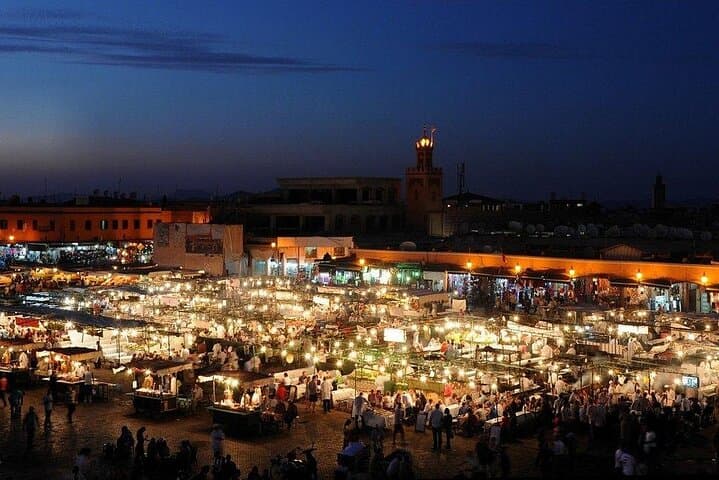
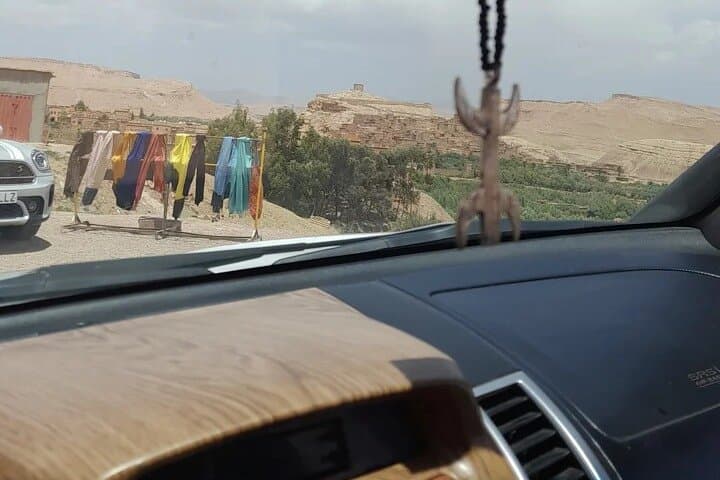
You pull away from Marrakech before dawn, the city’s ochre walls shrinking as the road climbs the High Atlas. The Tizi n'Tichka pass yawns above at roughly 2,260 m; cold air pushes through the windows and Berber villages dot the slopes like stone pockets. By late afternoon the landscape opens into the sculpted ribs of Dades and Todra gorges, then the broad, wind-shaped seas of sand at Erg Chebbi—dunes that crest near 150 m and shift with every wind.
Verified experiences and guided adventures in the surrounding area.
Operated by Marruecos Con Guia · Merzouga, Drâa-Tafilalet
You pull away from Marrakech before dawn, the city’s ochre walls shrinking as the road climbs the High Atlas. The Tizi n'Tichka pass yawns above at roughly 2,260 m; cold air pushes through the windows and Berber villages dot the slopes like stone pockets. By late afternoon the landscape opens into the sculpted ribs of Dades and Todra gorges, then the broad, wind-shaped seas of sand at Erg Chebbi—dunes that crest near 150 m and shift with every wind.
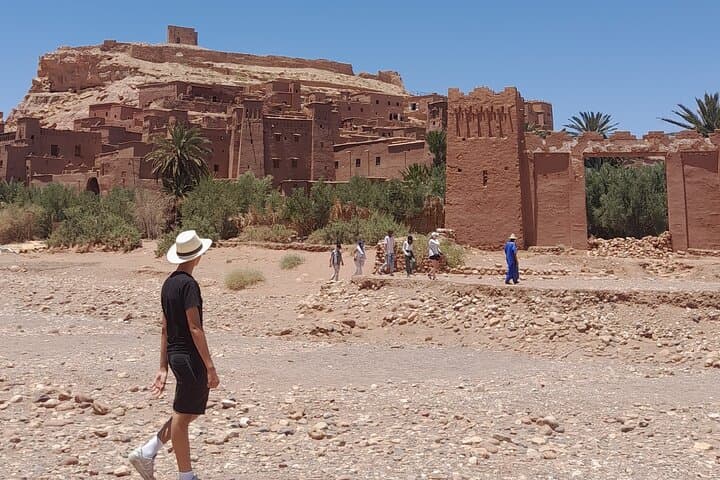
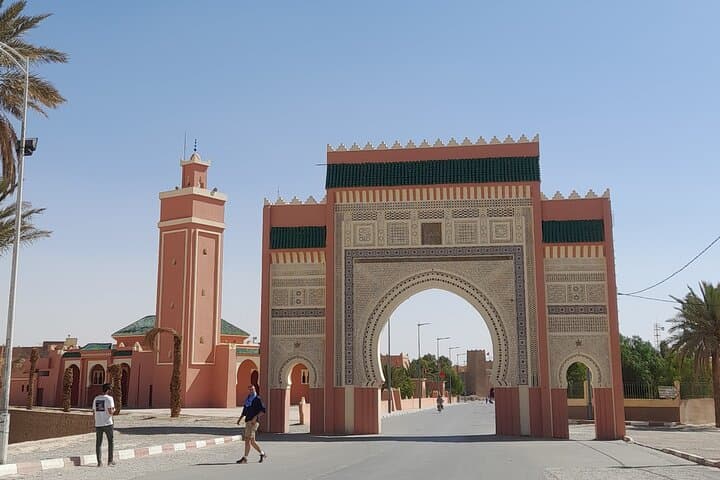
This route follows old caravan arteries and modern kasbah-lined roads. Geology moves from folded metamorphic ranges through river-cut wadis to windblown quartz sand; near Erfoud you’ll see fossil-rich limestone that records an ancient sea. Culturally the trip threads Berber settlements, Gnawa music in Khamlia, and palm-grove agriculture in the Draa valley—local rhythms that set the pace for each stop.
Expect long driving legs (several hours each day) punctuated by short hikes, canyon lookouts, and a classic camel ride into a nomad-style camp where night brings a sky of cold clarity and a drum circle. Temperatures swing: hot mid-days in the dunes, cold nights in camp.
Practically, pack sun protection, a warm layer, and sturdy shoes for rocky gorges. Hydrate on the road and allow time for the camel ride to feel comfortable; mounts are slow and sway rather than gallop. If you want sunrise on the highest dune, wake early—the light is the payoff. This itinerary is low-tech, high-sensory: a journey through changing terrain, history, and long desert evenings.
easy.
4 days.
Suitable for most travelers who can handle several hours of driving each day, short hikes in gorges, and a slow camel ride.
Expect several hours each day—some legs up to 6–10 hours with stops; routes include mountain passes and long desert stretches.
No technical skill is required; camels move at a slow pace and guides help mount and dismount, though the motion can be uncomfortable initially.
Yes, camps are traditional-style Berber tents with bedding; facilities vary, so check whether private toilets or showers are included.
Yes, but confirm with the operator about camel suitability and caravan duration for younger children; infant seats and family arrangements are sometimes available.
This corridor links old trans-Saharan caravan routes and kasbah networks; kasbahs and fortified farms along the route once protected trade in salt and dates.
Water is scarce—use refills and avoid single-use plastics; camps follow low-impact practices but limit firewood collection and respect local grazing areas.
Marruecos Con Guia operates guided outdoor trips and adventures with an emphasis on safety, stewardship, and memorable experiences.
You pull away from Marrakech before dawn, the city’s ochre walls shrinking as the road climbs the High Atlas. The Tizi n'Tichka pass yawns above at roughly 2,260 m; cold air pushes through the windows and Berber villages dot the slopes like stone pockets. By late afternoon the landscape opens into the sculpted ribs of Dades and Todra gorges, then the broad, wind-shaped seas of sand at Erg Chebbi—dunes that crest near 150 m and shift with every wind.
You pull away from Marrakech before dawn, the city’s ochre walls shrinking as the road climbs the High Atlas. The Tizi n'Tichka pass yawns above at roughly 2,260 m; cold air pushes through the windows and Berber villages dot the slopes like stone pockets. By late afternoon the landscape opens into the sculpted ribs of Dades and Todra gorges, then the broad, wind-shaped seas of sand at Erg Chebbi—dunes that crest near 150 m and shift with every wind.
This route follows old caravan arteries and modern kasbah-lined roads. Geology moves from folded metamorphic ranges through river-cut wadis to windblown quartz sand; near Erfoud you’ll see fossil-rich limestone that records an ancient sea. Culturally the trip threads Berber settlements, Gnawa music in Khamlia, and palm-grove agriculture in the Draa valley—local rhythms that set the pace for each stop.
Expect long driving legs (several hours each day) punctuated by short hikes, canyon lookouts, and a classic camel ride into a nomad-style camp where night brings a sky of cold clarity and a drum circle. Temperatures swing: hot mid-days in the dunes, cold nights in camp.
Practically, pack sun protection, a warm layer, and sturdy shoes for rocky gorges. Hydrate on the road and allow time for the camel ride to feel comfortable; mounts are slow and sway rather than gallop. If you want sunrise on the highest dune, wake early—the light is the payoff. This itinerary is low-tech, high-sensory: a journey through changing terrain, history, and long desert evenings.