THE ADVENTURE COLLECTIVE® · Independent discovery and booking for outdoor travel

A concentrated 4-day trek from Pokhara to Mardi Himal Base Camp that packs alpine views, rhododendron forests, steep stone steps and authentic teahouse nights. Ideal for trekkers with moderate fitness who want a high-reward Himalayan experience without weeks on the trail.
A concentrated 4-day trek from Pokhara to Mardi Himal Base Camp that packs alpine views, rhododendron forests, steep stone steps and authentic teahouse nights. Ideal for trekkers with moderate fitness who want a high-reward Himalayan experience without weeks on the trail.
Dawn parts the Himalayan ridgeline and a ribbon of trail climbs out of Pokhara toward Kande, where the first step into the Mardi Himal microclimate begins. Through rhododendron corridors and moss-damp forest you move higher, the air thinning and the views sharpening until Machapuchare (Fishtail) and the Annapurna chain loom like a row of white teeth above the valley.
Verified experiences and guided adventures in the surrounding area.
Operated by ABC Trek and Tour · Pokhara, Gandaki Province
Dawn parts the Himalayan ridgeline and a ribbon of trail climbs out of Pokhara toward Kande, where the first step into the Mardi Himal microclimate begins. Through rhododendron corridors and moss-damp forest you move higher, the air thinning and the views sharpening until Machapuchare (Fishtail) and the Annapurna chain loom like a row of white teeth above the valley.
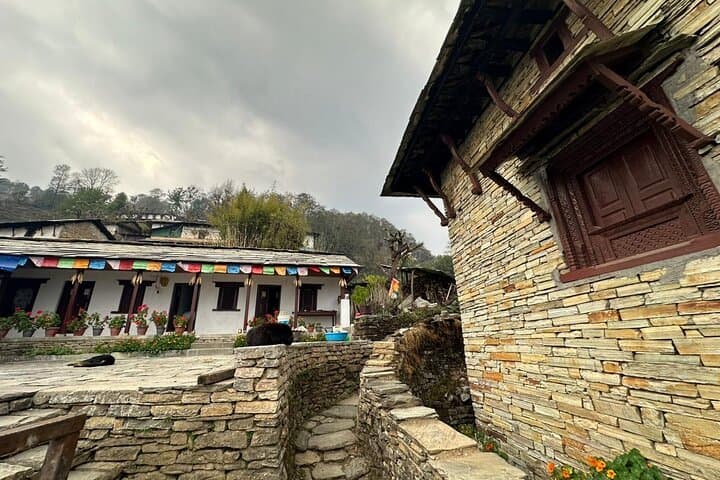
The route skirts older trade paths once used by local villagers and mule caravans, threading through village hamlets that preserve Gurung hospitality and simple teahouse life. Geologically this shoulder of the Annapurnas is young: steep, glacially carved valleys give way to moraine-fed streams and waterfalls that push the trail forward. Culture is visible in stone mani walls, prayer flags, and terraced fields below the treeline.
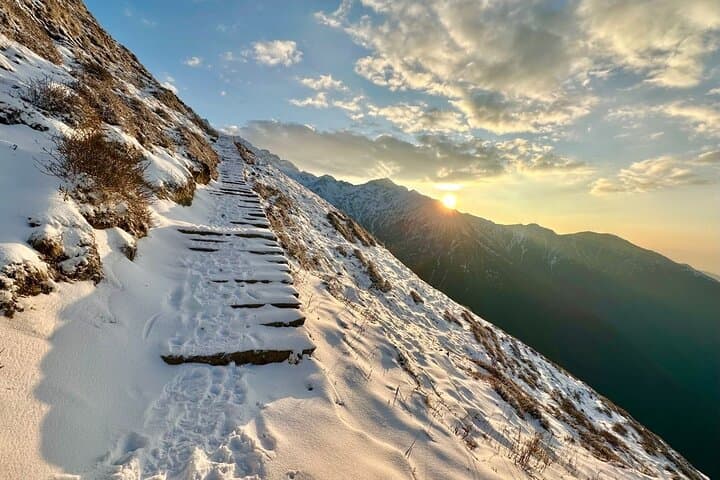
Expect four days of steady ascent and descent: a drive from Pokhara to Kande, then roughly 4–6 hours of hiking day one to Forest Camp (≈2,500 m), a longer push to High Camp (≈4,000 m), a pre-dawn climb to the 4,300 m viewpoint, and a descent via Siding Village back to Pokhara. Trails alternate packed earth, roots, and steep stone steps; some sections are exposed to wind.
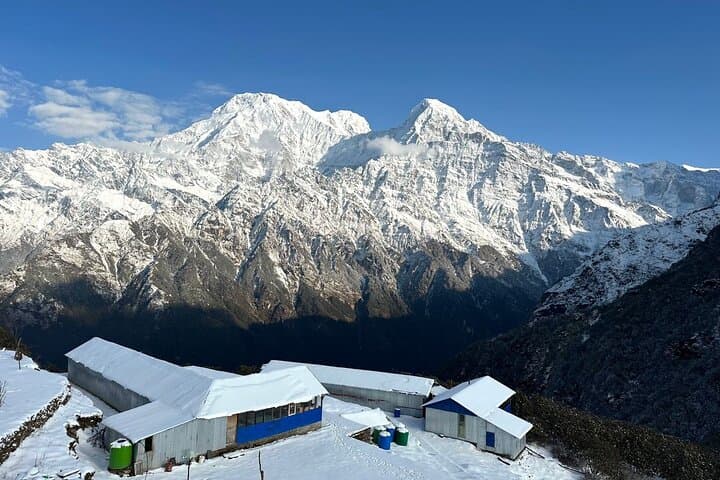
Practical edge: acclimatize, keep daily mileage conservative, and factor in early starts for sunrise viewpoints. Tea houses provide meals and basic lodging; bring a warm sleeping bag and waterproof layers. Permits are required; hire a guide or porter if you want local navigation and cultural context. Hydrate, pace uphill, and treat the rivers and ridgelines with respect—the mountains respond when pushed.
moderate.
4 days.
Good aerobic fitness with experience of multi-hour daily hikes and some high-altitude exposure
Yes—permits and TIMS/Annapurna Conservation Area entry fees are required; many operators include them in the package.
Moderate fitness is sufficient: expect 4–6 hour walking days with 1,200–1,500 m of ascent on the main climb days.
Yes—simple tea houses provide meals and basic lodging at Forest Camp, High Camp and Low Camp, but facilities are rustic above 3,000 m.
Experienced solo trekkers can do it but hiring a local guide or joining a private guided trek improves navigation, acclimatization and cultural insight.
The trail follows traditional local routes used by Gurung and Magar communities; villages retain handcrafted stonework and Buddhist shrines.
The trek lies inside the Annapurna Conservation Area—practice leave-no-trace, minimize single-use plastics and respect local water sources to protect fragile alpine ecosystems.
ABC Trek and Tour operates guided outdoor trips and adventures with an emphasis on safety, stewardship, and memorable experiences.
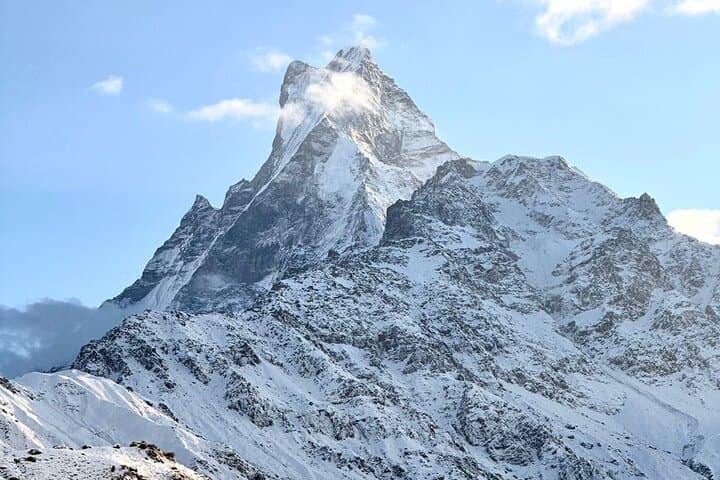
Dawn parts the Himalayan ridgeline and a ribbon of trail climbs out of Pokhara toward Kande, where the first step into the Mardi Himal microclimate begins. Through rhododendron corridors and moss-damp forest you move higher, the air thinning and the views sharpening until Machapuchare (Fishtail) and the Annapurna chain loom like a row of white teeth above the valley.
Dawn parts the Himalayan ridgeline and a ribbon of trail climbs out of Pokhara toward Kande, where the first step into the Mardi Himal microclimate begins. Through rhododendron corridors and moss-damp forest you move higher, the air thinning and the views sharpening until Machapuchare (Fishtail) and the Annapurna chain loom like a row of white teeth above the valley.
The route skirts older trade paths once used by local villagers and mule caravans, threading through village hamlets that preserve Gurung hospitality and simple teahouse life. Geologically this shoulder of the Annapurnas is young: steep, glacially carved valleys give way to moraine-fed streams and waterfalls that push the trail forward. Culture is visible in stone mani walls, prayer flags, and terraced fields below the treeline.
Expect four days of steady ascent and descent: a drive from Pokhara to Kande, then roughly 4–6 hours of hiking day one to Forest Camp (≈2,500 m), a longer push to High Camp (≈4,000 m), a pre-dawn climb to the 4,300 m viewpoint, and a descent via Siding Village back to Pokhara. Trails alternate packed earth, roots, and steep stone steps; some sections are exposed to wind.
Practical edge: acclimatize, keep daily mileage conservative, and factor in early starts for sunrise viewpoints. Tea houses provide meals and basic lodging; bring a warm sleeping bag and waterproof layers. Permits are required; hire a guide or porter if you want local navigation and cultural context. Hydrate, pace uphill, and treat the rivers and ridgelines with respect—the mountains respond when pushed.