THE ADVENTURE COLLECTIVE® · Independent discovery and booking for outdoor travel

A compact 4-day trek from Pokhara that climbs to Mardi Himal Base Camp (≈4,500 m) through rhododendron forests and high alpine ridges. Expect teahouse nights, steep rocky sections, and unforgettable sunrise views of the Annapurna massif.
A compact 4-day trek from Pokhara that climbs to Mardi Himal Base Camp (≈4,500 m) through rhododendron forests and high alpine ridges. Expect teahouse nights, steep rocky sections, and unforgettable sunrise views of the Annapurna massif.
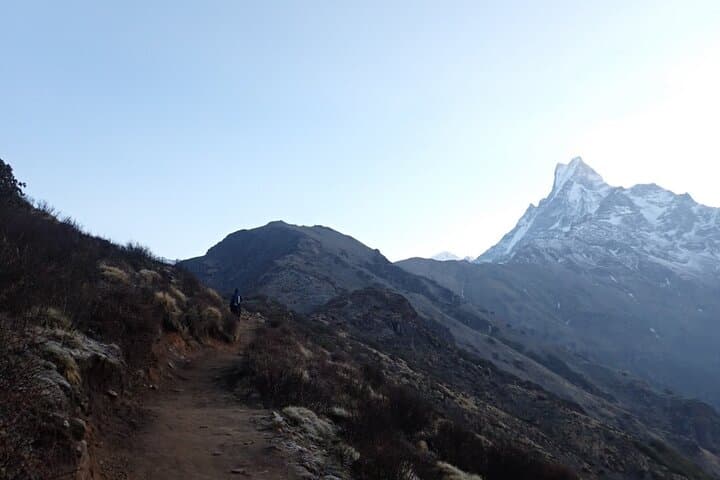
A cold dawn breaks over terraced fields as the jeep drops you at the trailhead and the ridge ahead slices the sky. The first steps climb through rhododendron and oak, bird calls punctuating the quiet; by late afternoon you’re in a simple teahouse eating dal bhat while snow crowns the distant massif. The atmosphere is immediate — raw mountain air, narrow ridgelines, and a steady vertical gain that pushes the body and clears the mind.
Verified experiences and guided adventures in the surrounding area.
Operated by Nomad Mountain Club - NMC · Pokhara, Gandaki Province
A cold dawn breaks over terraced fields as the jeep drops you at the trailhead and the ridge ahead slices the sky. The first steps climb through rhododendron and oak, bird calls punctuating the quiet; by late afternoon you’re in a simple teahouse eating dal bhat while snow crowns the distant massif. The atmosphere is immediate — raw mountain air, narrow ridgelines, and a steady vertical gain that pushes the body and clears the mind.
Mardi Himal sits on the southern flanks of the Annapurna range, a younger spur carved by the same tectonic forces that raised the high Himalaya. The route threads traditional Gurung and Magar villages, offering insight into long-standing mountain hospitality and agricultural life. Geologically, you move from fertile terraced foothills into glacially sculpted high valleys where moraine and rock dominate.
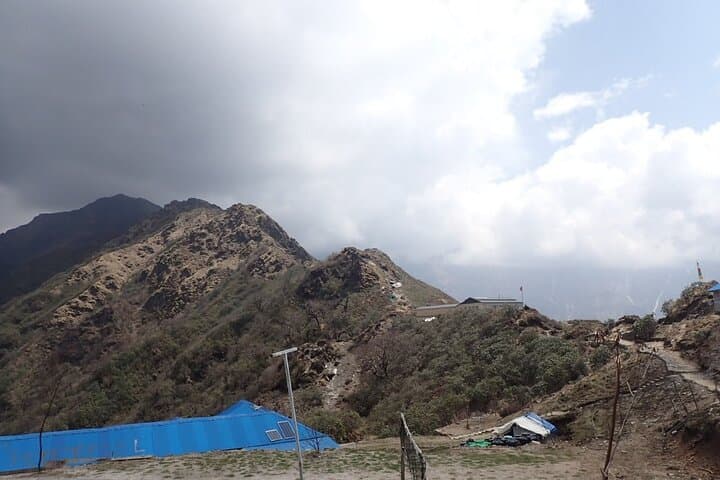
Practically, the trek covers about 4 days with a summit-style push to roughly 4,500 m at the base camp viewpoint. Trails switch from dirt farm tracks to steep, rocky ridges; expect slippery sections and narrow paths that demand deliberate footwork. Accommodation is in teahouses—basic but warm—and the trek requires an Annapurna Conservation Area Permit (ACAP) and TIMS card. Guides and porters are common and help manage altitude pacing.
Plan for layered insulation, sturdy boots, and slow ascents to reduce altitude effects. Early starts yield the best light for summit views and safer footing on exposed ridges. For trekkers seeking a compact Himalayan experience, Mardi Himal delivers spectacular sunrise faces of Annapurna without the multi-week commitment of larger circuits.
moderate.
4 days.
Good aerobic fitness plus experience with day hikes and uneven terrain; ability to handle repetitive ascents/descents.
Yes—trekkers must carry an Annapurna Conservation Area Permit (ACAP) and a TIMS card; guides typically arrange these before departure.
Temperatures at 4,500 m can drop well below freezing, especially at night and dawn—bring a warm sleeping layer and insulated jacket.
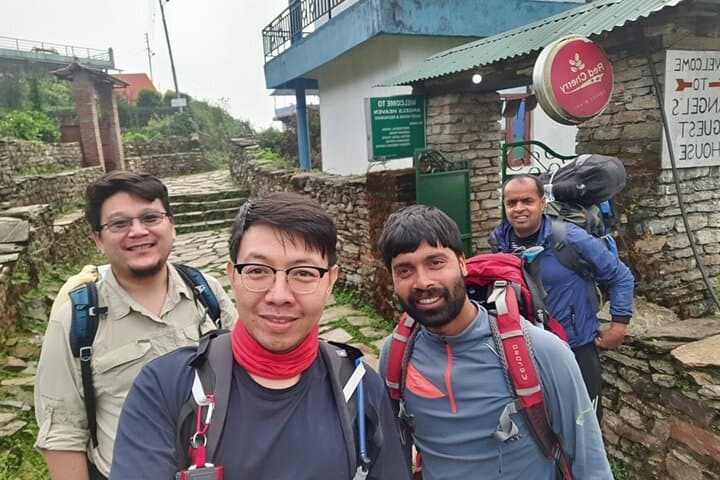
Teahouses provide basic private or shared rooms, simple hot meals, and charging for electronics (often for a fee); expect rustic but warm lodgings.
It’s suitable for fit beginners with prior day-hike experience if they go slowly, hire a guide, and monitor altitude symptoms closely.
The trail passes villages of Gurung and Magar communities whose mountain agriculture and teahouse hospitality grew in tandem with trekking in the Annapurna region over the last century.
The route lies inside the Annapurna Conservation Area—stick to marked trails, avoid single-use plastics, and respect local water and fuel resources to reduce impact.
Nomad Mountain Club - NMC operates guided outdoor trips and adventures with an emphasis on safety, stewardship, and memorable experiences.

A cold dawn breaks over terraced fields as the jeep drops you at the trailhead and the ridge ahead slices the sky. The first steps climb through rhododendron and oak, bird calls punctuating the quiet; by late afternoon you’re in a simple teahouse eating dal bhat while snow crowns the distant massif. The atmosphere is immediate — raw mountain air, narrow ridgelines, and a steady vertical gain that pushes the body and clears the mind.
A cold dawn breaks over terraced fields as the jeep drops you at the trailhead and the ridge ahead slices the sky. The first steps climb through rhododendron and oak, bird calls punctuating the quiet; by late afternoon you’re in a simple teahouse eating dal bhat while snow crowns the distant massif. The atmosphere is immediate — raw mountain air, narrow ridgelines, and a steady vertical gain that pushes the body and clears the mind.
Mardi Himal sits on the southern flanks of the Annapurna range, a younger spur carved by the same tectonic forces that raised the high Himalaya. The route threads traditional Gurung and Magar villages, offering insight into long-standing mountain hospitality and agricultural life. Geologically, you move from fertile terraced foothills into glacially sculpted high valleys where moraine and rock dominate.
Practically, the trek covers about 4 days with a summit-style push to roughly 4,500 m at the base camp viewpoint. Trails switch from dirt farm tracks to steep, rocky ridges; expect slippery sections and narrow paths that demand deliberate footwork. Accommodation is in teahouses—basic but warm—and the trek requires an Annapurna Conservation Area Permit (ACAP) and TIMS card. Guides and porters are common and help manage altitude pacing.
Plan for layered insulation, sturdy boots, and slow ascents to reduce altitude effects. Early starts yield the best light for summit views and safer footing on exposed ridges. For trekkers seeking a compact Himalayan experience, Mardi Himal delivers spectacular sunrise faces of Annapurna without the multi-week commitment of larger circuits.