THE ADVENTURE COLLECTIVE® · Independent discovery and booking for outdoor travel

A compact, private 4-day trek from Pokhara to Mardi Himal Base Camp that trades crowds for close-range views of Annapurna and Machhapuchhre. Expect mixed forest, alpine meadows, and family-run guesthouses along a route managed by local communities.
A compact, private 4-day trek from Pokhara to Mardi Himal Base Camp that trades crowds for close-range views of Annapurna and Machhapuchhre. Expect mixed forest, alpine meadows, and family-run guesthouses along a route managed by local communities.
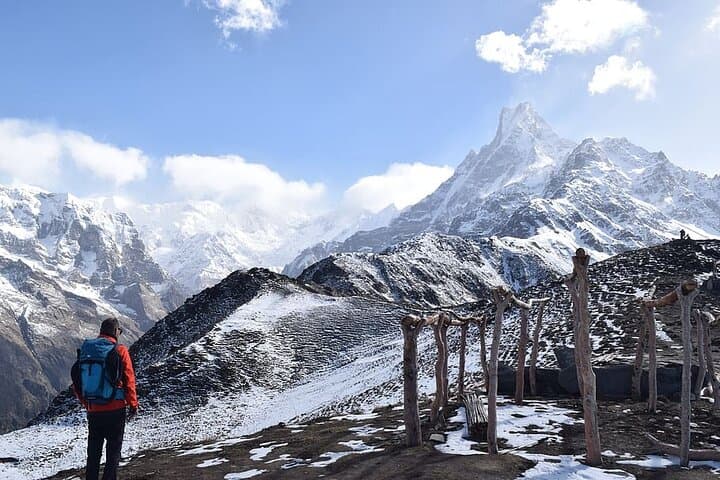
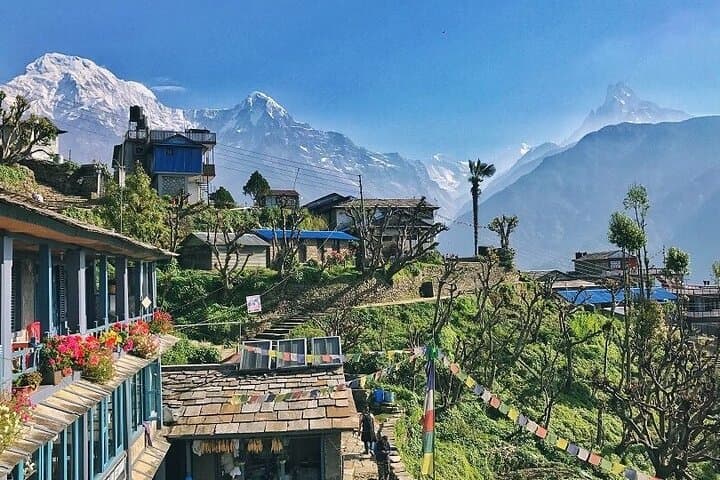
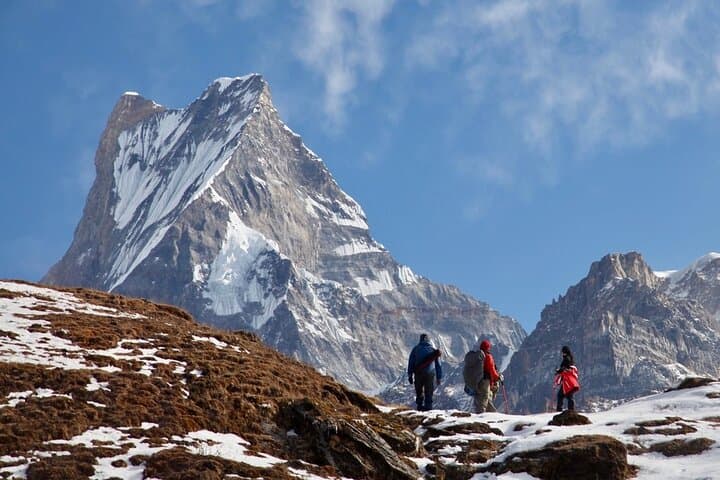
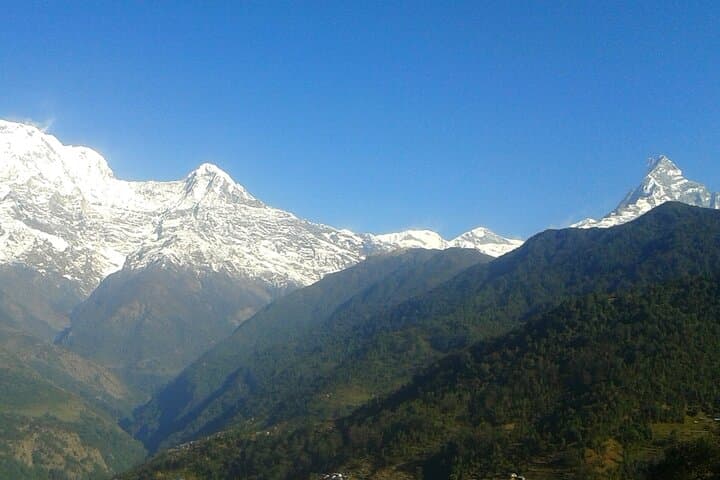
You leave Pokhara before dawn and the city’s lake recedes behind you as the jeep climbs toward Kande. The trail opens into a living gradient: terraced fields give way to oak and rhododendron groves, then to high meadows where wind and stone outline the silhouette of Annapurna South and the fish-tail of Machhapuchhre. The mountains feel deliberate—each ridge daring you to climb higher and claim the view.
Verified experiences and guided adventures in the surrounding area.
Operated by Shriyan World Wide Tours Private Limited · Pokhara, Gandaki Province
You leave Pokhara before dawn and the city’s lake recedes behind you as the jeep climbs toward Kande. The trail opens into a living gradient: terraced fields give way to oak and rhododendron groves, then to high meadows where wind and stone outline the silhouette of Annapurna South and the fish-tail of Machhapuchhre. The mountains feel deliberate—each ridge daring you to climb higher and claim the view.
Mardi Himal sits on the eastern shoulder of the Annapurna range; the route was only established for trekking in the past two decades, so villages and forests still carry quieter rhythms than the busy Annapurna Circuit. Geologically, you’ll walk across uplifted sedimentary layers carved by glacial action; scree slopes and narrow ridgelines reward patience with sweeping panoramas.
Culturally, expect Gurung hospitality in family-run guesthouses where guides share local stories, tea, and home-cooked dal bhat. The trek also intersects community-managed trails and requires a TIMS permit—part of responsible trekking in the region.
Practical guidance: the private 4-day plan compresses typical stages into four active days (roughly 30–40 km round-trip with daily ascents of 600–900 m on steeper sections). Trails range from packed dirt to rocky switchbacks; sturdy boots and layered clothing are essential. Start early to avoid afternoon clouds and allow time at Mardi Base Camp for acclimatization and photos. Hydrate deliberately, pace the uphill, and favor local guesthouses to support village economies. By day’s end, you’ll trade thin air and broad horizons for hot tea and quiet conversation under a Himalayan sky.
moderate.
4 days (3–8 hours hiking per day).
Good aerobic fitness and experience with sustained uphill hiking; able to handle 600–900 m of ascent in a day
Yes — trekkers require a TIMS card and the Annapurna Conservation Area entry permit, typically arranged by your guide or agency.
The four-day schedule is achievable for fit beginners with prior day-hiking experience, but expect sustained ascents and uneven terrain; conditioning hikes beforehand are recommended.
Nights are in family-run guesthouses/tea houses offering basic private rooms and hearty local meals; facilities are simple at higher camps.
Mardi Base Camp can reach high elevations where mild altitude effects are possible; recognize symptoms, ascend gradually, and descend if symptoms worsen.
The Mardi route opened more recently than traditional Annapurna trails and passes through Gurung and Magar villages where mountain livelihoods remain largely agricultural and pastoral.
The trek falls within the Annapurna Conservation Area; stick to marked trails, pack out waste, and use community-run lodges to support local stewardship.
Shriyan World Wide Tours Private Limited operates guided outdoor trips and adventures with an emphasis on safety, stewardship, and memorable experiences.
You leave Pokhara before dawn and the city’s lake recedes behind you as the jeep climbs toward Kande. The trail opens into a living gradient: terraced fields give way to oak and rhododendron groves, then to high meadows where wind and stone outline the silhouette of Annapurna South and the fish-tail of Machhapuchhre. The mountains feel deliberate—each ridge daring you to climb higher and claim the view.
You leave Pokhara before dawn and the city’s lake recedes behind you as the jeep climbs toward Kande. The trail opens into a living gradient: terraced fields give way to oak and rhododendron groves, then to high meadows where wind and stone outline the silhouette of Annapurna South and the fish-tail of Machhapuchhre. The mountains feel deliberate—each ridge daring you to climb higher and claim the view.
Mardi Himal sits on the eastern shoulder of the Annapurna range; the route was only established for trekking in the past two decades, so villages and forests still carry quieter rhythms than the busy Annapurna Circuit. Geologically, you’ll walk across uplifted sedimentary layers carved by glacial action; scree slopes and narrow ridgelines reward patience with sweeping panoramas.
Culturally, expect Gurung hospitality in family-run guesthouses where guides share local stories, tea, and home-cooked dal bhat. The trek also intersects community-managed trails and requires a TIMS permit—part of responsible trekking in the region.
Practical guidance: the private 4-day plan compresses typical stages into four active days (roughly 30–40 km round-trip with daily ascents of 600–900 m on steeper sections). Trails range from packed dirt to rocky switchbacks; sturdy boots and layered clothing are essential. Start early to avoid afternoon clouds and allow time at Mardi Base Camp for acclimatization and photos. Hydrate deliberately, pace the uphill, and favor local guesthouses to support village economies. By day’s end, you’ll trade thin air and broad horizons for hot tea and quiet conversation under a Himalayan sky.