THE ADVENTURE COLLECTIVE® · Independent discovery and booking for outdoor travel

A compact four-day trek from Pokhara to Mardi Himal Base Camp that delivers big Annapurna Range views with minimal logistics. Expect forested climbs, alpine meadows, and sunrise panoramas above 4,200 m.
A compact four-day trek from Pokhara to Mardi Himal Base Camp that delivers big Annapurna Range views with minimal logistics. Expect forested climbs, alpine meadows, and sunrise panoramas above 4,200 m.
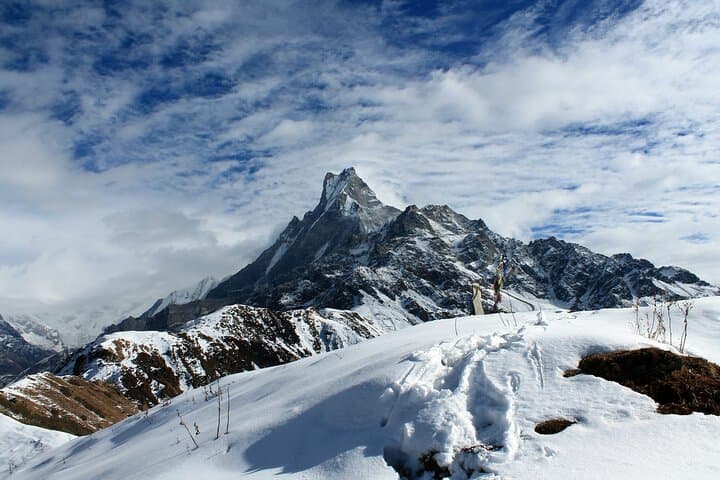
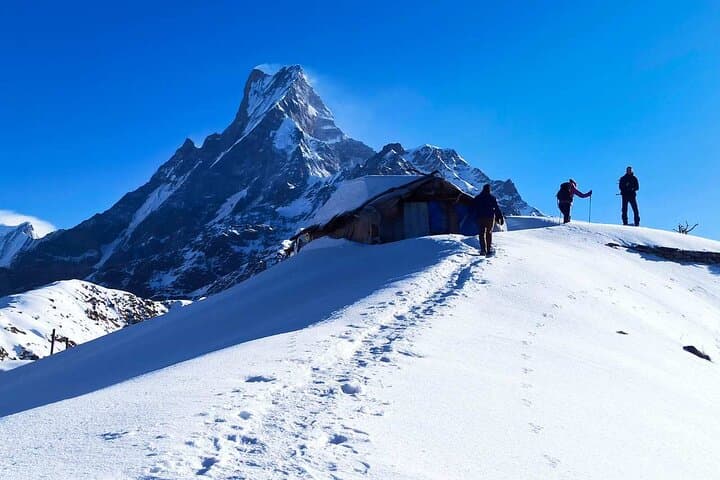
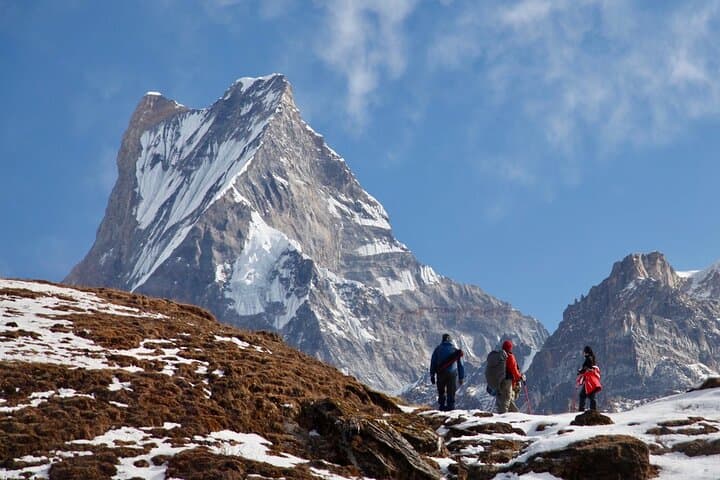
You step out of Pokhara’s morning haze into a jeep that threads rice terraces and villages, the Fishtail peak looming like a folded blade. Within hours the road gives way to trails that climb through rhododendron forest; sap-scented air and the quick, steady rhythm of your boots set the pace for four compact days in the Annapurna foothills.
Verified experiences and guided adventures in the surrounding area.
Operated by Pokhara Adventure Nepal (PAN) · Pokhara, Gandaki Province
You step out of Pokhara’s morning haze into a jeep that threads rice terraces and villages, the Fishtail peak looming like a folded blade. Within hours the road gives way to trails that climb through rhododendron forest; sap-scented air and the quick, steady rhythm of your boots set the pace for four compact days in the Annapurna foothills.
Mardi Himal sits on the southern flank of the Annapurna massif and sits within the Annapurna Conservation Area, established to protect the region’s forests, wildlife, and cultural heritage. Geologically, the route traverses young Himalayan slopes — slate and schist underfoot — rising from subtropical foothills to alpine meadows above the treeline. Local Gurung and Magar communities still maintain terraced agriculture and stone-built teahouses that serve as nightly stops.
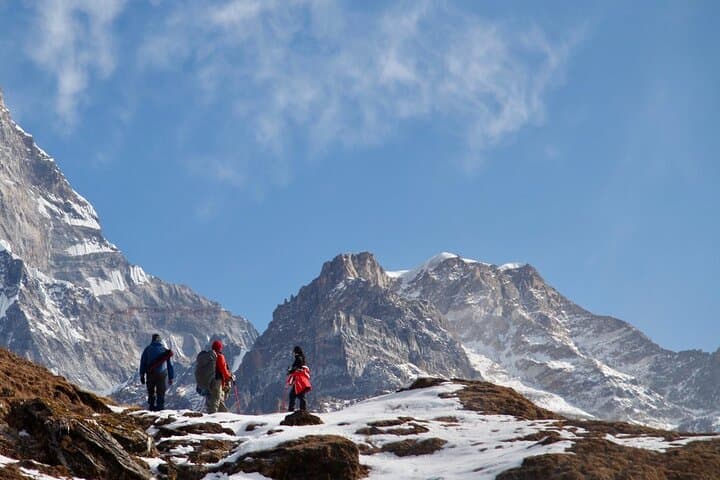
Expect a mix of forested switchbacks, exposed ridgelines, and grassland saddles. Key elevations on this itinerary: Rest Camp ~2,605 m, High Camp ~3,550 m, Mardi Viewpoint ~4,200 m and the base area nearing 4,500 m. Weather can shift quickly; mornings are clear for sunrise views, afternoons often cloud in. Wildlife is quiet but present — birdlife and shy mountain ungulates inhabit the slopes.
Practical guidance: pace your ascent to reduce altitude strain, carry layers for sub-zero summit mornings, and plan early starts for viewpoint sunrises. Teahouse accommodation means light, modular packing and cash for small comforts. With moderate to strong fitness and respect for altitude, the four-day Mardi Himal route delivers concentrated Himalayan panoramas without the crowds and with manageable logistics from Pokhara.
challenging.
4 days (approx. 3–8 hours hiking per day).
Good cardiovascular fitness and prior multiday hiking experience recommended; ability to trek 4–6 hours on steep terrain.
Yes — you’ll need the Annapurna Conservation Area Permit (ACAP) and a TIMS card; tour operators typically arrange these before departure.
Yes — the trek reaches around 4,200–4,500 m; monitor symptoms, ascend slowly, and be prepared to descend if severe AMS develops.
Simple teahouse guesthouses provide dorm-style or twin rooms, shared bathrooms, basic hot meals, and a place to dry gear.
Spring (Mar–May) and fall (Sep–Nov) offer the most stable weather and clear mountain views, with spring giving rhododendron blooms.
Mardi lies within the Annapurna Conservation Area, Nepal’s first and largest conservation region, created to protect local ecosystems while supporting community-based tourism.
Trekking impacts are concentrated on trails and teahouses; carry out waste, use established water sources, and support local lodges to keep tourism benefits in the community.
Pokhara Adventure Nepal (PAN) operates guided outdoor trips and adventures with an emphasis on safety, stewardship, and memorable experiences.
You step out of Pokhara’s morning haze into a jeep that threads rice terraces and villages, the Fishtail peak looming like a folded blade. Within hours the road gives way to trails that climb through rhododendron forest; sap-scented air and the quick, steady rhythm of your boots set the pace for four compact days in the Annapurna foothills.
You step out of Pokhara’s morning haze into a jeep that threads rice terraces and villages, the Fishtail peak looming like a folded blade. Within hours the road gives way to trails that climb through rhododendron forest; sap-scented air and the quick, steady rhythm of your boots set the pace for four compact days in the Annapurna foothills.
Mardi Himal sits on the southern flank of the Annapurna massif and sits within the Annapurna Conservation Area, established to protect the region’s forests, wildlife, and cultural heritage. Geologically, the route traverses young Himalayan slopes — slate and schist underfoot — rising from subtropical foothills to alpine meadows above the treeline. Local Gurung and Magar communities still maintain terraced agriculture and stone-built teahouses that serve as nightly stops.
Expect a mix of forested switchbacks, exposed ridgelines, and grassland saddles. Key elevations on this itinerary: Rest Camp ~2,605 m, High Camp ~3,550 m, Mardi Viewpoint ~4,200 m and the base area nearing 4,500 m. Weather can shift quickly; mornings are clear for sunrise views, afternoons often cloud in. Wildlife is quiet but present — birdlife and shy mountain ungulates inhabit the slopes.
Practical guidance: pace your ascent to reduce altitude strain, carry layers for sub-zero summit mornings, and plan early starts for viewpoint sunrises. Teahouse accommodation means light, modular packing and cash for small comforts. With moderate to strong fitness and respect for altitude, the four-day Mardi Himal route delivers concentrated Himalayan panoramas without the crowds and with manageable logistics from Pokhara.