THE ADVENTURE COLLECTIVE® · Independent discovery and booking for outdoor travel

Descend from Cusco’s high valleys into the Amazon on a four-day Manu Park journey: cloud-forest walks, macaw clay-licks, night caiman-spotting and lodge stays along the Madre de Dios. Ideal for wildlife-focused travelers with moderate fitness.
Descend from Cusco’s high valleys into the Amazon on a four-day Manu Park journey: cloud-forest walks, macaw clay-licks, night caiman-spotting and lodge stays along the Madre de Dios. Ideal for wildlife-focused travelers with moderate fitness.
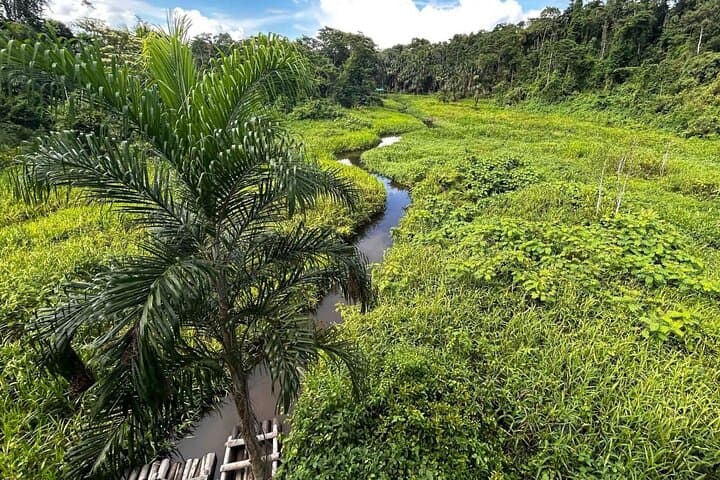
You step off the minibus before dawn and the air changes — cooler, thick with damp leaf-mould and the distant calls of birds that begin the day long before the sun clears the canopy.
Verified experiences and guided adventures in the surrounding area.
Operated by Machupicchu Holiday · Pilcopata, Cusco
You step off the minibus before dawn and the air changes — cooler, thick with damp leaf-mould and the distant calls of birds that begin the day long before the sun clears the canopy.
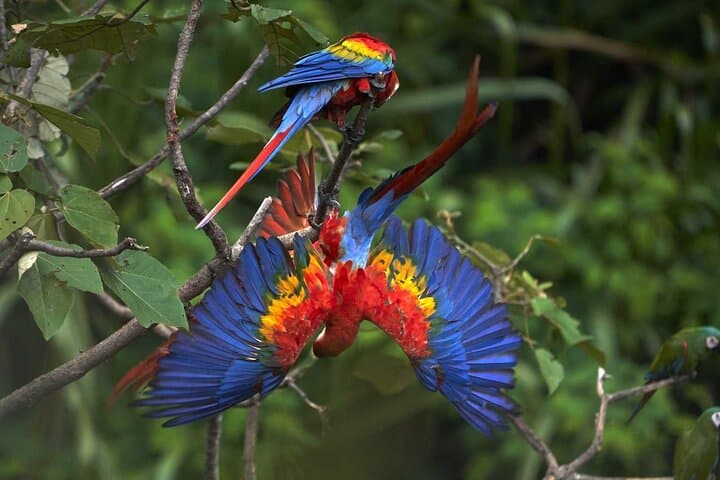
The route from Cusco to Manu threads through high Andean valleys, slips into cloud forests, then descends to the lowland Amazon. Along the way you’ll pass pre-Inca Lupaca tombs and the colonial streets of Paucartambo; the geology shifts from eroded Andean schist to alluvial riverbanks where clay licks attract macaws at first light. Local communities still practice traditional coca cultivation and maintain small riverine markets; Manu itself is protected as a UNESCO Biosphere Reserve and owes much of its intact wildlife to strict zoning and long-standing indigenous stewardship.
Over four days you’ll mix boat travel, guided forest walks (2–3 hours), clay-lick viewing, raft birding on Machuwasi Lake, evening caiman-spotting, and optional ziplining or fishing. Nights are at basic lodges with communal meals and mosquito-netted rooms.
Practical guidance: acclimatize in Cusco for 24–48 hours before leaving; pack breathable rain gear and closed hiking shoes; carry a reusable water bottle, strong insect repellent, and binoculars. Mornings are best for bird activity; nights reveal nocturnal frogs and insects. Follow guide instructions around wildlife and river travel — currents change fast and wildlife viewing often requires silence and patience. This trip is immersive, low-impact, and richly rewarding for those ready to swap altitude for river rhythm.
moderate.
4 days.
Moderate fitness: you should be comfortable walking 2–3 hours on uneven, sometimes muddy trails and handling short boat rides.
Moderate: expect several short to medium hikes (2–3 hours) on uneven terrain plus boat transfers; basic mobility and stamina are required.
Yes—morning visits to the clay lick reliably attract macaws, and evening river cruises often reveal caiman eyes reflecting headlamps.
Yellow fever vaccination is commonly advised for Amazon travel; check current CDC guidance and bring anti-diarrheal medication and any personal prescriptions.
Typical inclusions are transport from Cusco, lodgings at basic hostels/lodges, meals listed, river transport, guides, and some equipment like binoculars and first-aid kits—confirm specifics with the operator.
The Manu corridor links Andean cultures with Amazonian communities; archaeological sites like Lupaca tombs reflect long-standing human presence before the Inca era.
Manu is a UNESCO Biosphere Reserve with strict protected zones; visitors should follow guide rules, avoid single-use plastics, and minimize noise and light pollution.
Machupicchu Holiday operates guided outdoor trips and adventures with an emphasis on safety, stewardship, and memorable experiences.


You step off the minibus before dawn and the air changes — cooler, thick with damp leaf-mould and the distant calls of birds that begin the day long before the sun clears the canopy.
You step off the minibus before dawn and the air changes — cooler, thick with damp leaf-mould and the distant calls of birds that begin the day long before the sun clears the canopy.
The route from Cusco to Manu threads through high Andean valleys, slips into cloud forests, then descends to the lowland Amazon. Along the way you’ll pass pre-Inca Lupaca tombs and the colonial streets of Paucartambo; the geology shifts from eroded Andean schist to alluvial riverbanks where clay licks attract macaws at first light. Local communities still practice traditional coca cultivation and maintain small riverine markets; Manu itself is protected as a UNESCO Biosphere Reserve and owes much of its intact wildlife to strict zoning and long-standing indigenous stewardship.
Over four days you’ll mix boat travel, guided forest walks (2–3 hours), clay-lick viewing, raft birding on Machuwasi Lake, evening caiman-spotting, and optional ziplining or fishing. Nights are at basic lodges with communal meals and mosquito-netted rooms.
Practical guidance: acclimatize in Cusco for 24–48 hours before leaving; pack breathable rain gear and closed hiking shoes; carry a reusable water bottle, strong insect repellent, and binoculars. Mornings are best for bird activity; nights reveal nocturnal frogs and insects. Follow guide instructions around wildlife and river travel — currents change fast and wildlife viewing often requires silence and patience. This trip is immersive, low-impact, and richly rewarding for those ready to swap altitude for river rhythm.