THE ADVENTURE COLLECTIVE® · Independent discovery and booking for outdoor travel

Descend from the high Andes into Manu’s primary rainforest on this four-day expedition from Cusco. Expect long bus and boat transfers, guided day walks into cloud and lowland forest, hot springs, and night wildlife searches.
Descend from the high Andes into Manu’s primary rainforest on this four-day expedition from Cusco. Expect long bus and boat transfers, guided day walks into cloud and lowland forest, hot springs, and night wildlife searches.
A low mist lifts as the bus drops you at Tres Cruces, the high threshold to Manu’s cloud forest. The air tastes of damp earth and orchids; a chorus of distant birds—parrots, toucans, cock-of-the-rock—threads through the trees. Over the next four days you’ll descend from Andean altitudes into the broad, humid river valleys of the Madre de Dios, trading puna grass for towering kapok and braided waterways that seem to push you deeper into the forest.
Verified experiences and guided adventures in the surrounding area.
Operated by Palotoa Amazon Travel · Cusco, Cusco Region
A low mist lifts as the bus drops you at Tres Cruces, the high threshold to Manu’s cloud forest. The air tastes of damp earth and orchids; a chorus of distant birds—parrots, toucans, cock-of-the-rock—threads through the trees. Over the next four days you’ll descend from Andean altitudes into the broad, humid river valleys of the Madre de Dios, trading puna grass for towering kapok and braided waterways that seem to push you deeper into the forest.
Manu National Park, created in 1973 and later recognized by UNESCO, protects one of the most intact elevational gradients on Earth—Andean foothills, montane cloud forest, and lowland terra firme. Geology here is old folded Andes giving way to sedimentary basins; culturally the route follows traditional Quechua and Amazonian communities whose knowledge of medicinal plants and river navigation informs the trip. Palotoa and the reserve around Atalaya are locally important for conservation and for birding.
Expect long transit segments—an overnight bus from Cusco, then several hours by motorized boat—plus wet, muddy trails and full-day forest walks with modest elevation change once below the cloud forest. Guides point out orchids, monkeys, and medicinal palms; nights bring tarantulas, frogs and the reflective eyes of caiman along riverbanks. Practical advice: acclimatize in Cusco for a day or two, bring a lightweight rain shell, long sleeves for insects, and photocopies of travel documents. Rubber boots are usually provided; carry a small daypack with water, insect repellent, and a headlamp for night walks.
moderate.
4 days.
Participants should have moderate fitness for several hours of walking on uneven, muddy trails and endure long transport days
Travelers should consult a travel clinic about recommended shots (yellow fever is often recommended) and bring proof if required; routine immunizations should be up to date.
Daily walks are typically 2–6 hours on uneven, muddy terrain with modest elevation change below the cloud forest; guides set pace for the group.
Lodges on this itinerary offer simple but comfortable rooms, three meals a day, and showers; expect rustic Amazon lodge standards rather than luxury hotels.
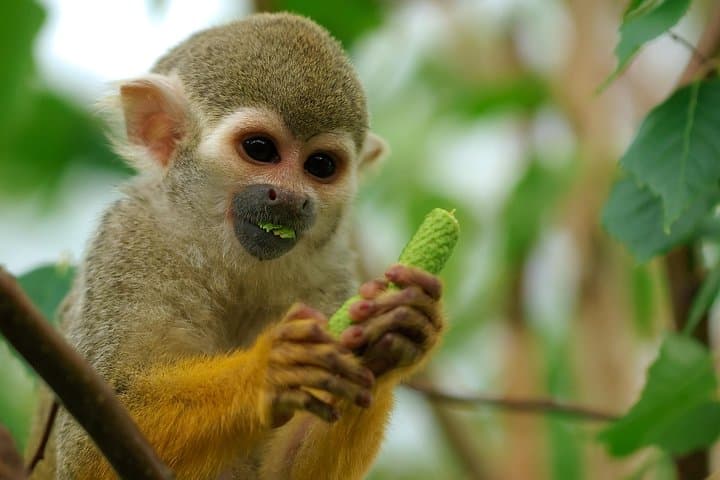
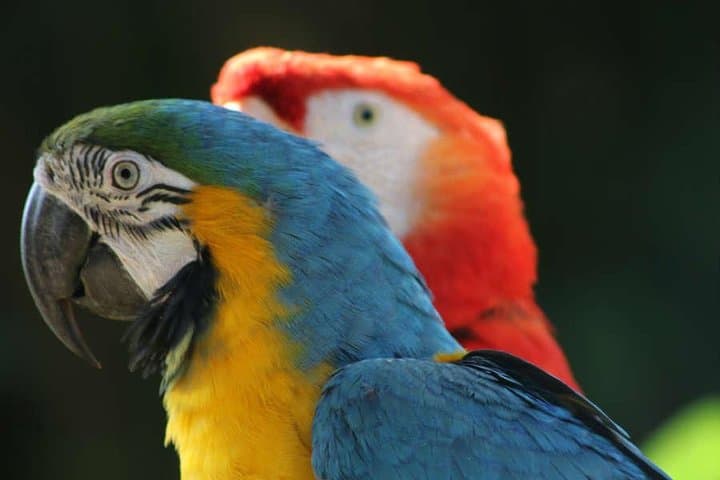
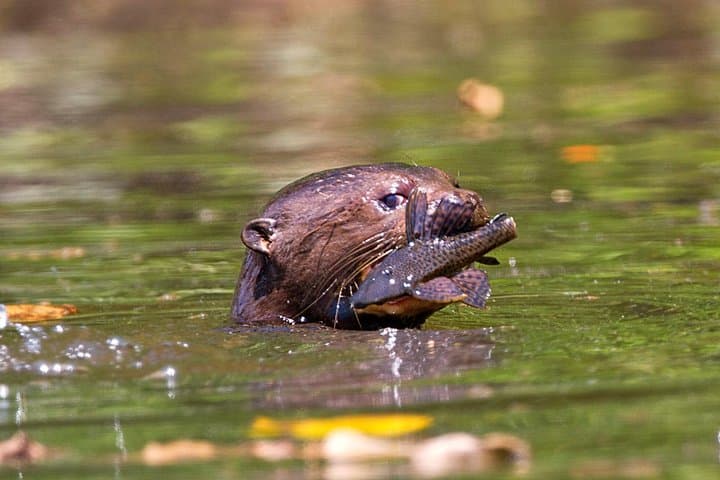
No species is guaranteed, but skilled local guides increase chances of sightings—macaws, monkeys, toucans, and nocturnal frogs or tarantulas are commonly observed.
Manu National Park was established in 1973 to protect the region’s exceptional biodiversity and was later designated a UNESCO Biosphere Reserve and World Heritage site.
Access is managed to limit impact—visitors should remain on trails, avoid single-use plastics, and follow guides’ instructions to protect fragile habitats.
Palotoa Amazon Travel operates guided outdoor trips and adventures with an emphasis on safety, stewardship, and memorable experiences.
A low mist lifts as the bus drops you at Tres Cruces, the high threshold to Manu’s cloud forest. The air tastes of damp earth and orchids; a chorus of distant birds—parrots, toucans, cock-of-the-rock—threads through the trees. Over the next four days you’ll descend from Andean altitudes into the broad, humid river valleys of the Madre de Dios, trading puna grass for towering kapok and braided waterways that seem to push you deeper into the forest.
A low mist lifts as the bus drops you at Tres Cruces, the high threshold to Manu’s cloud forest. The air tastes of damp earth and orchids; a chorus of distant birds—parrots, toucans, cock-of-the-rock—threads through the trees. Over the next four days you’ll descend from Andean altitudes into the broad, humid river valleys of the Madre de Dios, trading puna grass for towering kapok and braided waterways that seem to push you deeper into the forest.
Manu National Park, created in 1973 and later recognized by UNESCO, protects one of the most intact elevational gradients on Earth—Andean foothills, montane cloud forest, and lowland terra firme. Geology here is old folded Andes giving way to sedimentary basins; culturally the route follows traditional Quechua and Amazonian communities whose knowledge of medicinal plants and river navigation informs the trip. Palotoa and the reserve around Atalaya are locally important for conservation and for birding.
Expect long transit segments—an overnight bus from Cusco, then several hours by motorized boat—plus wet, muddy trails and full-day forest walks with modest elevation change once below the cloud forest. Guides point out orchids, monkeys, and medicinal palms; nights bring tarantulas, frogs and the reflective eyes of caiman along riverbanks. Practical advice: acclimatize in Cusco for a day or two, bring a lightweight rain shell, long sleeves for insects, and photocopies of travel documents. Rubber boots are usually provided; carry a small daypack with water, insect repellent, and a headlamp for night walks.