THE ADVENTURE COLLECTIVE® · Independent discovery and booking for outdoor travel

From cloud-forest cock-of-the-rock displays to lowland macaws at clay licks, this compact 4‑day route through Manu’s transition zones delivers high-density birding. Expect dawn walks, riverboats, and lodge stays in varied habitats.
From cloud-forest cock-of-the-rock displays to lowland macaws at clay licks, this compact 4‑day route through Manu’s transition zones delivers high-density birding. Expect dawn walks, riverboats, and lodge stays in varied habitats.
Dawn breaks on a mist-damp ridge above the cloud forest and the first rasping calls cut through orchids and bromeliads. You stand with binoculars as a male Andean cock-of-the-rock launches its courtship display, feathers flaring against a green wall; later, a riverboat pulls away from the Port of Atalaya and the forest loosens into lowland floodplain where macaws wheel toward clay licks.
Verified experiences and guided adventures in the surrounding area.
Operated by Valencia Travel Agency S.a.c. · Pilcopata, Cusco
Dawn breaks on a mist-damp ridge above the cloud forest and the first rasping calls cut through orchids and bromeliads. You stand with binoculars as a male Andean cock-of-the-rock launches its courtship display, feathers flaring against a green wall; later, a riverboat pulls away from the Port of Atalaya and the forest loosens into lowland floodplain where macaws wheel toward clay licks.
This itinerary threads two distinct ecological stages: montane cloud forest—steep, moss-slick trails and high humidity—then the broad Amazon basin with oxbow lakes and braided channels. Geologically, the route follows the eastern slope of the Andes where uplift and heavy rainfall create abrupt habitat transitions, concentrating bird diversity. Culturally the corridor links small Quechua and mestizo communities—Paucartambo, Pilcopata, Atalaya—whose markets and festivals reflect Andean and Amazonian livelihoods.
Expect guided dawn and dusk walks, boat travel on the Madre de Dios, short raft paddles on Machuwasi Lake, and early-morning visits to clay licks for parrots. Accommodation alternates between cloud-forest lodges and lowland jungle lodges with basic comforts. Guides provide species orientation and field guides; specialized birders bring scopes but binoculars alone will show many highlights.
Practical edge: move slowly at dawn, layer for hot days and cool mountain mornings, and carry a rain shell—rain is frequent outside the dry season. Hydrate on river crossings and respect local biosecurity rules: clean boots to prevent moving seeds or pests. With moderate fitness and patience, the 4‑day circuit delivers some of Peru’s most concentrated birding in accessible, lodge-based comfort.
moderate.
4 days.
Moderate fitness for short hikes (30–90 minutes), river transfers, and early starts; able to walk uneven trails and step in and out of boats.
Moderate—walks are typically short but on uneven, sometimes muddy trails; boat transfers require stepping on/off small craft.
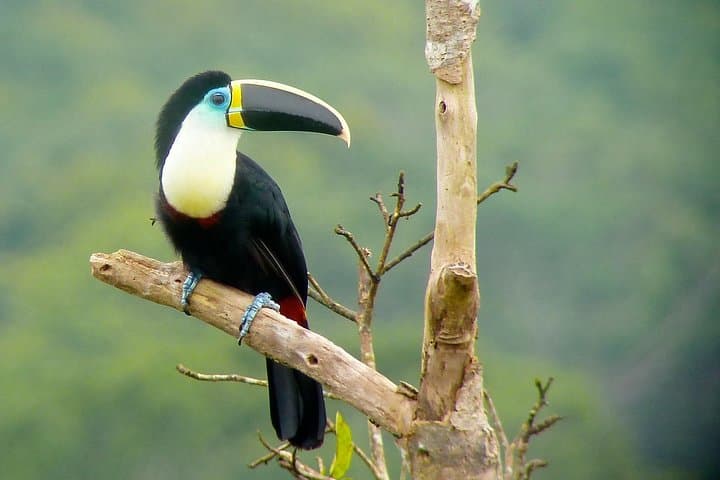
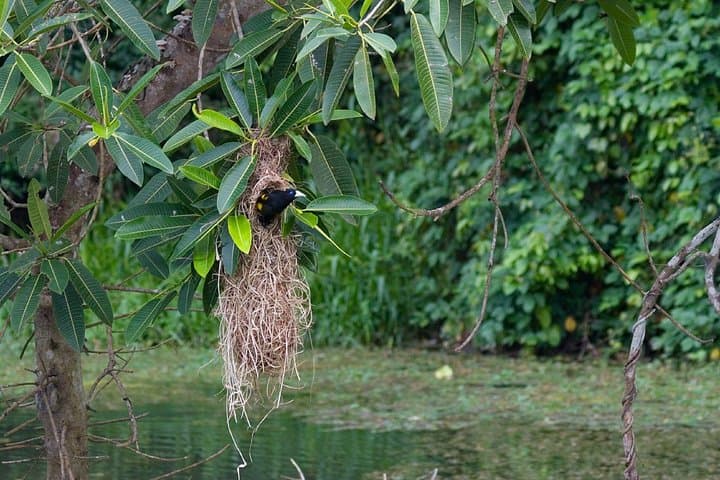
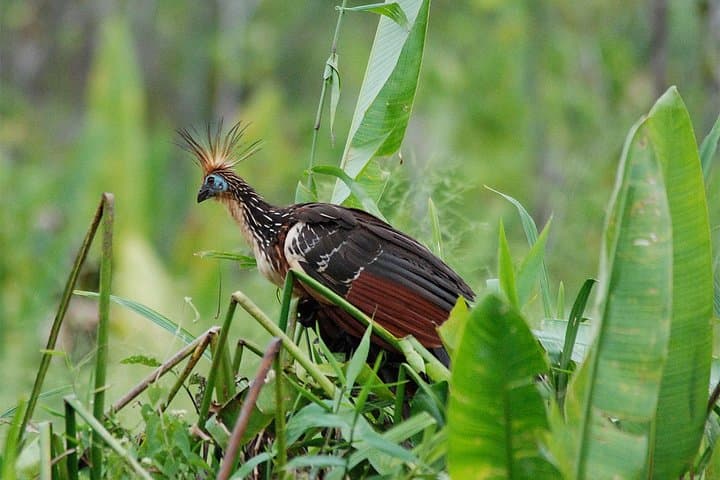
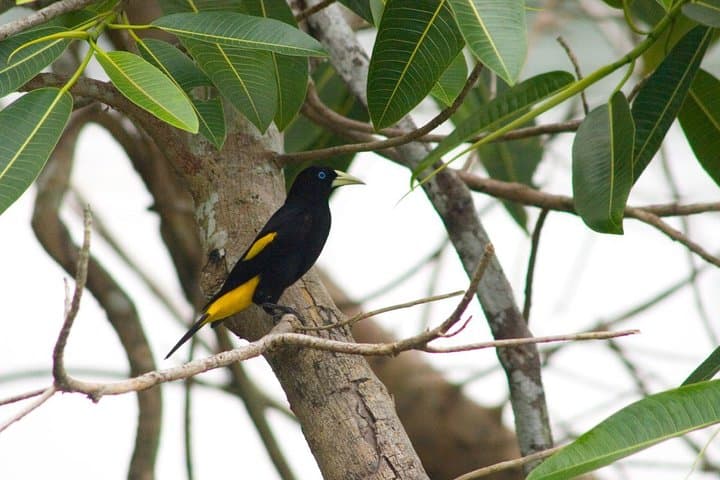
Expect Cock-of-the-Rock, macaws at clay licks, hoatzin, toucans, herons, and a large variety of tanagers and antbirds depending on season.
Check current travel health advice—vaccinations like yellow fever are recommended for Amazon travel and malaria prophylaxis may be advised for lowland sections.
Lodges range from comfortable cloud-forest cabins to rustic rainforest lodges with private rooms, shared facilities, and basic electricity.
The Manu corridor has been used for centuries by Andean and Amazonian peoples; modern conservation efforts date to 20th-century scientific exploration and park designation.
Manu and surrounding reserves balance tourism with research and indigenous land rights; stick to trails and follow guide biosecurity measures to limit invasive species transfer.
Valencia Travel Agency S.a.c. operates guided outdoor trips and adventures with an emphasis on safety, stewardship, and memorable experiences.
Dawn breaks on a mist-damp ridge above the cloud forest and the first rasping calls cut through orchids and bromeliads. You stand with binoculars as a male Andean cock-of-the-rock launches its courtship display, feathers flaring against a green wall; later, a riverboat pulls away from the Port of Atalaya and the forest loosens into lowland floodplain where macaws wheel toward clay licks.
Dawn breaks on a mist-damp ridge above the cloud forest and the first rasping calls cut through orchids and bromeliads. You stand with binoculars as a male Andean cock-of-the-rock launches its courtship display, feathers flaring against a green wall; later, a riverboat pulls away from the Port of Atalaya and the forest loosens into lowland floodplain where macaws wheel toward clay licks.
This itinerary threads two distinct ecological stages: montane cloud forest—steep, moss-slick trails and high humidity—then the broad Amazon basin with oxbow lakes and braided channels. Geologically, the route follows the eastern slope of the Andes where uplift and heavy rainfall create abrupt habitat transitions, concentrating bird diversity. Culturally the corridor links small Quechua and mestizo communities—Paucartambo, Pilcopata, Atalaya—whose markets and festivals reflect Andean and Amazonian livelihoods.
Expect guided dawn and dusk walks, boat travel on the Madre de Dios, short raft paddles on Machuwasi Lake, and early-morning visits to clay licks for parrots. Accommodation alternates between cloud-forest lodges and lowland jungle lodges with basic comforts. Guides provide species orientation and field guides; specialized birders bring scopes but binoculars alone will show many highlights.
Practical edge: move slowly at dawn, layer for hot days and cool mountain mornings, and carry a rain shell—rain is frequent outside the dry season. Hydrate on river crossings and respect local biosecurity rules: clean boots to prevent moving seeds or pests. With moderate fitness and patience, the 4‑day circuit delivers some of Peru’s most concentrated birding in accessible, lodge-based comfort.