THE ADVENTURE COLLECTIVE® · Independent discovery and booking for outdoor travel

Four days of river travel, jungle hikes and wildlife viewing from Rurrenabaque to Madidi National Park and the Pampas del Yacuma. Expect boat transfers, dawn birding, pink dolphins and community-run lodges with a focus on low-impact tourism.
Four days of river travel, jungle hikes and wildlife viewing from Rurrenabaque to Madidi National Park and the Pampas del Yacuma. Expect boat transfers, dawn birding, pink dolphins and community-run lodges with a focus on low-impact tourism.
You push off at first light from Rurrenabaque, the outboard's hum mixing with howler monkeys and the smell of wet earth as the Beni River opens into the web of channels that lead into Madidi National Park.
Verified experiences and guided adventures in the surrounding area.
Operated by Howlanders · Rurrenabaque, Beni
You push off at first light from Rurrenabaque, the outboard's hum mixing with howler monkeys and the smell of wet earth as the Beni River opens into the web of channels that lead into Madidi National Park.
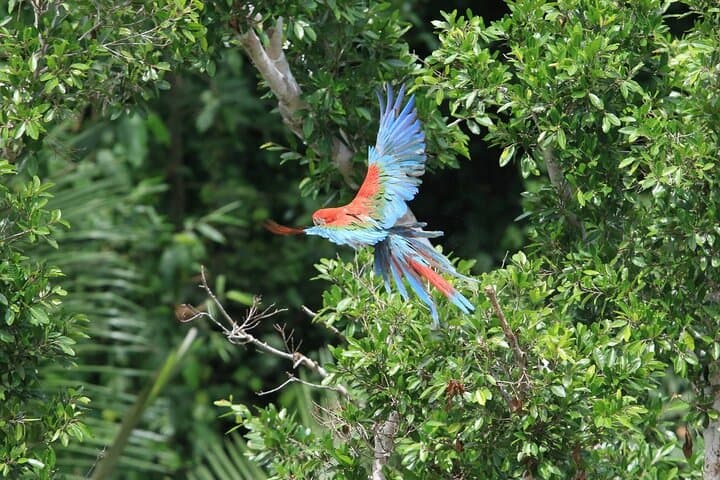
Over four days you'll move by boat and on foot between riverside lodges, stepping from teak gangways into trails where monumental trees rise like living columns. Local guides point out medicinal palms and explain traditional uses while macaws wheel overhead at the Farallón de las Parabas. The Tuichi and Yacuma rivers shape both the landscape and local life: braided waterways that flood in the wet months and reveal sandbanks in the dry season.
Madidi's geology is lowland Amazon—floodplain forests, oxbow lakes and rich alluvial soil that supports dense biodiversity. The itinerary mixes jungle walks, a rustic raft float, sport fishing or craft workshops, dawn birding, and a river trip to watch pink dolphins and caimans.
Plan for tropical conditions: hot, humid days, heavy rain possible, and cool early mornings at the river. Physical demands are moderate—three-hour hikes on uneven, sometimes muddy terrain and multiple boat transfers. Bring reliable insect protection, waterproof layers, and a dry bag for electronics. Respect wildlife viewing distances and the cultural practices of Indigenous-run lodges; many operate low-impact facilities and rely on visitors to minimize waste.
This trip is immersive but practical: expect long travel windows on water, basic but comfortable lodge accommodation, and expert bilingual guides who focus on wildlife interpretation and responsible local tourism.
moderate.
4 days.
Moderate fitness; able to hike 3–4 hours on uneven, sometimes muddy trails and handle multiple boat transfers.
Vaccination recommendations vary; the yellow fever vaccine is commonly advised for Amazon travel—check with a travel clinic well before departure.
Lodges are eco-oriented and generally basic but clean, offering private rooms, mosquito nets, and hot water depending on the facility.
Sightings are common in the Yacuma and Tuichi rivers but not guaranteed; guides know local hotspots to maximize viewing opportunities.
Swimming is not required, though short supervised swims near riverbanks may be offered; life jackets are provided for boat activities.
The region is home to Indigenous Tsimane and Tacana communities whose knowledge of medicinal plants and river navigation has shaped local guiding traditions.
Many lodges operate with community-based stewardship and limit waste and fuel use; visitors can support conservation by minimizing plastic and following guide instructions.
Howlanders operates guided outdoor trips and adventures with an emphasis on safety, stewardship, and memorable experiences.


You push off at first light from Rurrenabaque, the outboard's hum mixing with howler monkeys and the smell of wet earth as the Beni River opens into the web of channels that lead into Madidi National Park.
You push off at first light from Rurrenabaque, the outboard's hum mixing with howler monkeys and the smell of wet earth as the Beni River opens into the web of channels that lead into Madidi National Park.
Over four days you'll move by boat and on foot between riverside lodges, stepping from teak gangways into trails where monumental trees rise like living columns. Local guides point out medicinal palms and explain traditional uses while macaws wheel overhead at the Farallón de las Parabas. The Tuichi and Yacuma rivers shape both the landscape and local life: braided waterways that flood in the wet months and reveal sandbanks in the dry season.
Madidi's geology is lowland Amazon—floodplain forests, oxbow lakes and rich alluvial soil that supports dense biodiversity. The itinerary mixes jungle walks, a rustic raft float, sport fishing or craft workshops, dawn birding, and a river trip to watch pink dolphins and caimans.
Plan for tropical conditions: hot, humid days, heavy rain possible, and cool early mornings at the river. Physical demands are moderate—three-hour hikes on uneven, sometimes muddy terrain and multiple boat transfers. Bring reliable insect protection, waterproof layers, and a dry bag for electronics. Respect wildlife viewing distances and the cultural practices of Indigenous-run lodges; many operate low-impact facilities and rely on visitors to minimize waste.
This trip is immersive but practical: expect long travel windows on water, basic but comfortable lodge accommodation, and expert bilingual guides who focus on wildlife interpretation and responsible local tourism.