THE ADVENTURE COLLECTIVE® · Independent discovery and booking for outdoor travel

Skip the altitude headaches and take a measured four-day loop from Cusco through the Sacred Valley to Machu Picchu. Stay lower in Aguas Calientes, ride the scenic train, and explore Inca terraces, salt pans, and the citadel with a local guide.
Skip the altitude headaches and take a measured four-day loop from Cusco through the Sacred Valley to Machu Picchu. Stay lower in Aguas Calientes, ride the scenic train, and explore Inca terraces, salt pans, and the citadel with a local guide.
The first light here falls across stone and cloud, and the train slices through a green gorge as the Urubamba River dares you forward. You arrive in Aguas Calientes—known locally as Machupicchu Pueblo—at roughly 2,040–2,100 m, a deliberate low basecamp that reduces the sting of Cusco’s high altitude and lets the landscape draw you in.
Verified experiences and guided adventures in the surrounding area.
Operated by Machupicchu America Travel · Aguas Calientes, Cusco
The first light here falls across stone and cloud, and the train slices through a green gorge as the Urubamba River dares you forward. You arrive in Aguas Calientes—known locally as Machupicchu Pueblo—at roughly 2,040–2,100 m, a deliberate low basecamp that reduces the sting of Cusco’s high altitude and lets the landscape draw you in.
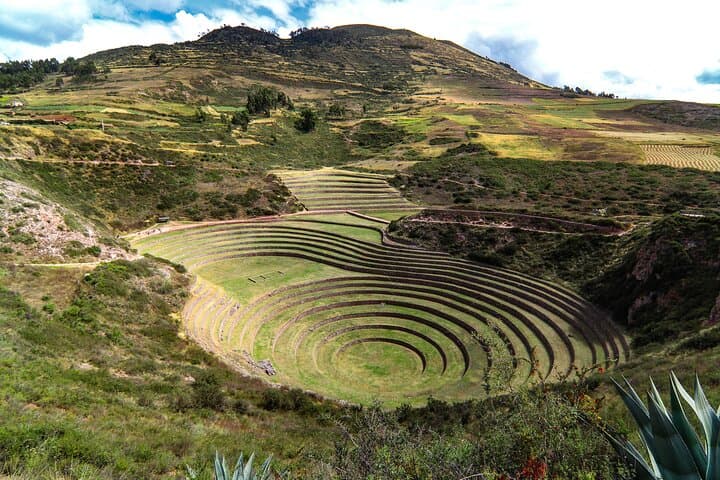
This four-day loop threads Inca engineering with living Andean culture. From Ollantaytambo’s terraced temples (an agricultural and military staging area in the Inca era) to the circular experimental terraces at Moray and the salt pans of Maras, geology and human ingenuity are on show: steep volcanic slopes carved into concentric farms, quartz-rich cliffs, and river valleys that channel rain into terraces.
Expect compact train rides (about 90 minutes from Ollantaytambo to Aguas Calientes), a 25–30 minute shuttle bus to the Machu Picchu entrance, and 2–4 km of walking on uneven stone paths with short stair sections inside the citadel. Machu Picchu sits at ~2,430 m; walking is steady rather than steep, but surfaces are ancient and irregular.
Practical points: book the early Machu Picchu time slot for softer light and fewer crowds; carry water, sun protection, and layered clothing—the valley thermals shift fast. Bring small bills for toilets and market stalls in Aguas Calientes. Guides present local history and practical routing; the package’s included round-trip train and entry tickets streamline logistics so you can focus on the ruins, the terraces, and the river that keeps pulling your gaze downhill.
moderate.
4 days.
Should be able to walk 2–4 km over uneven stone paths and climb short flights of stairs; basic stamina for consecutive days of sightseeing.
Staying in lower-elevation Aguas Calientes and minimizing immediate travel to higher Cusco altitudes reduces risk, but individual response varies—drink water, rest, and consult a physician for concerns.
Yes—this package includes Machu Picchu entry, round-trip train tickets (class based on selection), and bus transfers to the citadel.
The guided visit typically involves 2–4 km of walking over uneven stone paths and stair sections; routes are steady rather than technical, but expect standing and moderate mobility demands.
Dry season (May–September) offers clearer skies and firmer trails, while the shoulder months (April, October) can balance fewer crowds with decent weather.
The Sacred Valley and Machu Picchu reflect Inca agricultural innovation and strategic site selection—terraces, irrigation, and stone masonry adapted to steep volcanic slopes.
Visitor limits to Machu Picchu and regulated trails aim to reduce erosion and protect archaeological fabric; follow stay-on-path rules and avoid single-use plastics where possible.
Machupicchu America Travel operates guided outdoor trips and adventures with an emphasis on safety, stewardship, and memorable experiences.
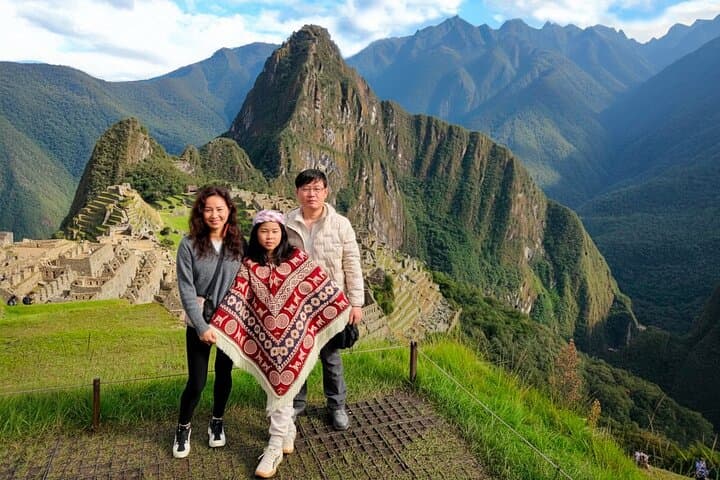
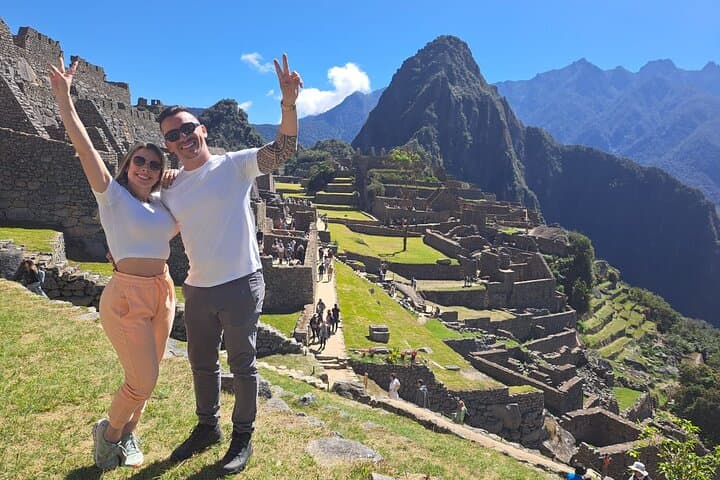
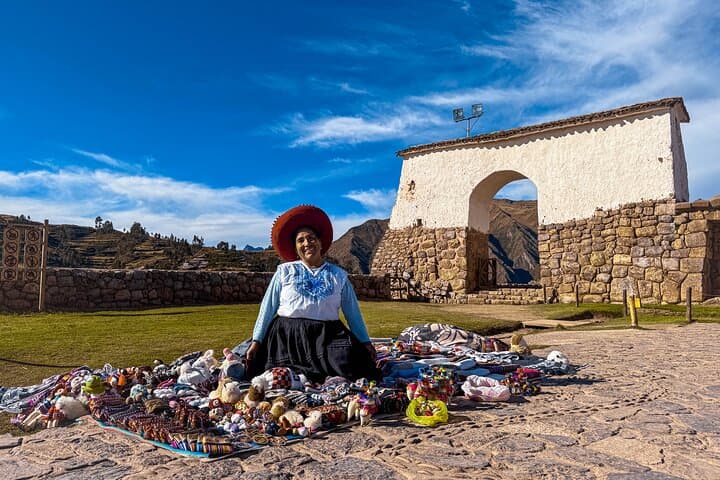
The first light here falls across stone and cloud, and the train slices through a green gorge as the Urubamba River dares you forward. You arrive in Aguas Calientes—known locally as Machupicchu Pueblo—at roughly 2,040–2,100 m, a deliberate low basecamp that reduces the sting of Cusco’s high altitude and lets the landscape draw you in.
The first light here falls across stone and cloud, and the train slices through a green gorge as the Urubamba River dares you forward. You arrive in Aguas Calientes—known locally as Machupicchu Pueblo—at roughly 2,040–2,100 m, a deliberate low basecamp that reduces the sting of Cusco’s high altitude and lets the landscape draw you in.
This four-day loop threads Inca engineering with living Andean culture. From Ollantaytambo’s terraced temples (an agricultural and military staging area in the Inca era) to the circular experimental terraces at Moray and the salt pans of Maras, geology and human ingenuity are on show: steep volcanic slopes carved into concentric farms, quartz-rich cliffs, and river valleys that channel rain into terraces.
Expect compact train rides (about 90 minutes from Ollantaytambo to Aguas Calientes), a 25–30 minute shuttle bus to the Machu Picchu entrance, and 2–4 km of walking on uneven stone paths with short stair sections inside the citadel. Machu Picchu sits at ~2,430 m; walking is steady rather than steep, but surfaces are ancient and irregular.
Practical points: book the early Machu Picchu time slot for softer light and fewer crowds; carry water, sun protection, and layered clothing—the valley thermals shift fast. Bring small bills for toilets and market stalls in Aguas Calientes. Guides present local history and practical routing; the package’s included round-trip train and entry tickets streamline logistics so you can focus on the ruins, the terraces, and the river that keeps pulling your gaze downhill.