THE ADVENTURE COLLECTIVE® · Independent discovery and booking for outdoor travel

Four days of focused game drives between Maasai Mara and Lake Nakuru that combine prime migration viewing with flamingo-studded soda lakes. Early starts, expert driver-guides, and overnight stays at an eco-camp make this a classic Kenyan safari loop.
Four days of focused game drives between Maasai Mara and Lake Nakuru that combine prime migration viewing with flamingo-studded soda lakes. Early starts, expert driver-guides, and overnight stays at an eco-camp make this a classic Kenyan safari loop.
You step out of the vehicle before dawn and the Mara exhales: grasslands roll away under a cool, horizontal light while distant lions call the landscape into focus. The first day’s drive carries you across the Great Rift Valley, past escarpments and small towns, to camps where campfires and the night’s cicadas mark the end of long game days.
Verified experiences and guided adventures in the surrounding area.
Operated by Sunstrip Africa Safaris · Narok, Narok County
You step out of the vehicle before dawn and the Mara exhales: grasslands roll away under a cool, horizontal light while distant lions call the landscape into focus. The first day’s drive carries you across the Great Rift Valley, past escarpments and small towns, to camps where campfires and the night’s cicadas mark the end of long game days.
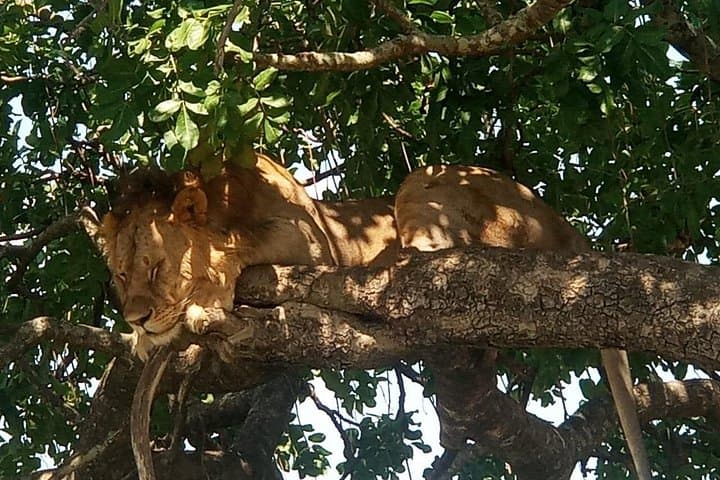
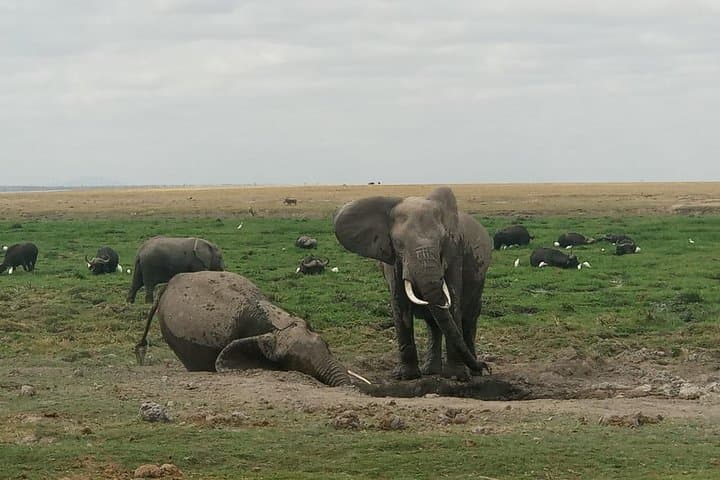
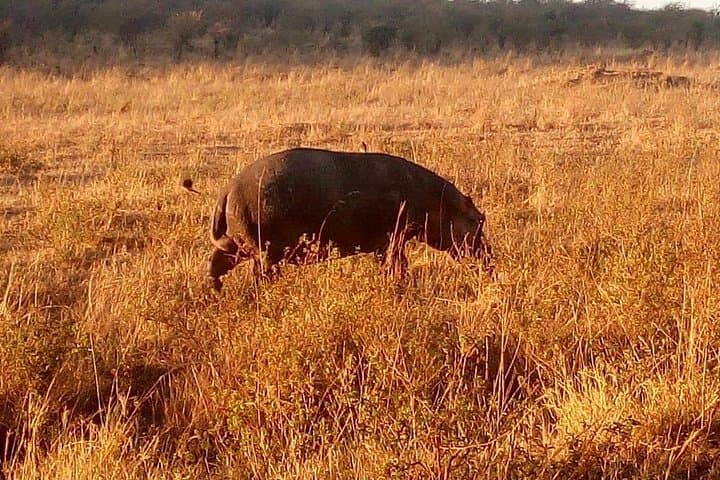
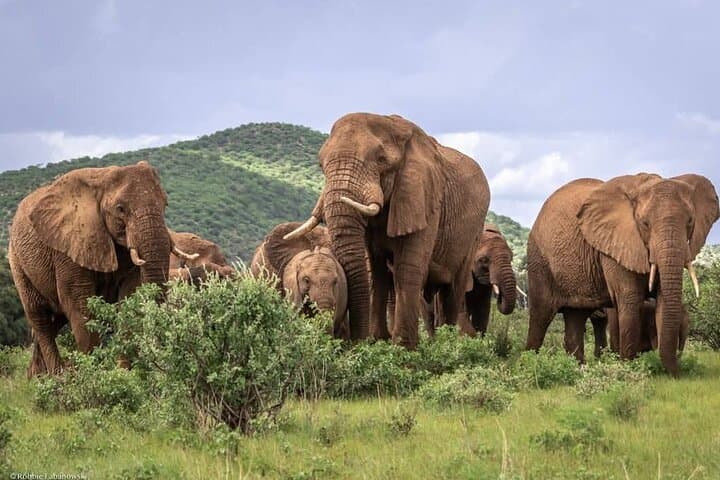
The route links two geological stories — the Rift’s faulted cliffs that shape Kenya’s drainage, and the soda lakes that collect minerals and paint the shorelines pink at Lake Nakuru. Maasai pastoral culture remains visible along the roads; visits with local guides illuminate traditions that coexist with grazing wildlife. Expect detailed natural-history commentary from an English-speaking driver-guide and lots of game-drive time aimed at sightings of the Big Five, migratory herds, and the river crossings that make the Mara famous.
Practically: travel by 4x4 with long stretches on dirt roads, early starts to catch predator activity, and daylight drives that minimize disturbance to animals. Bring binoculars and a long lens for wildlife, layers for chilly mornings, and a refillable water bottle — hydration is non-negotiable. Respect viewing distances, follow guide instructions, and carry cash for park fees or tips.
Timing matters: July–October concentrates migration crossings; other months offer quieter viewing and resident species. Nights at eco-camp and modest hotels keep you close to wildlife rhythms while minimizing impact. This trip is equal parts photographic opportunity and a primer on East African ecology and conservation.
moderate.
4 days.
Suitable for travelers who can spend long hours in a vehicle, handle short walks and uneven ground, and rise early for game drives.
July through October is peak for Mara crossings; other months still offer excellent resident wildlife viewing and fewer crowds.
Confirm with the operator—this itinerary lists meals and parking fees, but entry or conservation fees may be included or charged separately depending on booking details.
The tour is described as suitable for general fitness levels, but long vehicle days and uneven terrain mean it may be challenging for very young children or travelers with severe mobility restrictions.
Routine vaccines and yellow fever recommendations depend on your origin; consult a travel clinic for malaria prophylaxis and up-to-date advice before travel.
The Maasai people have grazed these plains for generations and the Rift Valley’s formation shaped the hydrology that creates soda lakes like Nakuru.
Both parks are managed with anti-poaching patrols and community programs; flamingo numbers at Nakuru fluctuate with water chemistry, so stay on designated paths to protect fragile shorelines.
Sunstrip Africa Safaris operates guided outdoor trips and adventures with an emphasis on safety, stewardship, and memorable experiences.
You step out of the vehicle before dawn and the Mara exhales: grasslands roll away under a cool, horizontal light while distant lions call the landscape into focus. The first day’s drive carries you across the Great Rift Valley, past escarpments and small towns, to camps where campfires and the night’s cicadas mark the end of long game days.
You step out of the vehicle before dawn and the Mara exhales: grasslands roll away under a cool, horizontal light while distant lions call the landscape into focus. The first day’s drive carries you across the Great Rift Valley, past escarpments and small towns, to camps where campfires and the night’s cicadas mark the end of long game days.
The route links two geological stories — the Rift’s faulted cliffs that shape Kenya’s drainage, and the soda lakes that collect minerals and paint the shorelines pink at Lake Nakuru. Maasai pastoral culture remains visible along the roads; visits with local guides illuminate traditions that coexist with grazing wildlife. Expect detailed natural-history commentary from an English-speaking driver-guide and lots of game-drive time aimed at sightings of the Big Five, migratory herds, and the river crossings that make the Mara famous.
Practically: travel by 4x4 with long stretches on dirt roads, early starts to catch predator activity, and daylight drives that minimize disturbance to animals. Bring binoculars and a long lens for wildlife, layers for chilly mornings, and a refillable water bottle — hydration is non-negotiable. Respect viewing distances, follow guide instructions, and carry cash for park fees or tips.
Timing matters: July–October concentrates migration crossings; other months offer quieter viewing and resident species. Nights at eco-camp and modest hotels keep you close to wildlife rhythms while minimizing impact. This trip is equal parts photographic opportunity and a primer on East African ecology and conservation.