THE ADVENTURE COLLECTIVE® · Independent discovery and booking for outdoor travel

Walk original Inca stone pathways, cross a 4,217 m mountain pass, and camp under high-Andean skies en route to Machu Picchu. This 4-day trek mixes challenging terrain, cultural sites, and expert-guided logistics — permits sell out, so plan well in advance.
Walk original Inca stone pathways, cross a 4,217 m mountain pass, and camp under high-Andean skies en route to Machu Picchu. This 4-day trek mixes challenging terrain, cultural sites, and expert-guided logistics — permits sell out, so plan well in advance.
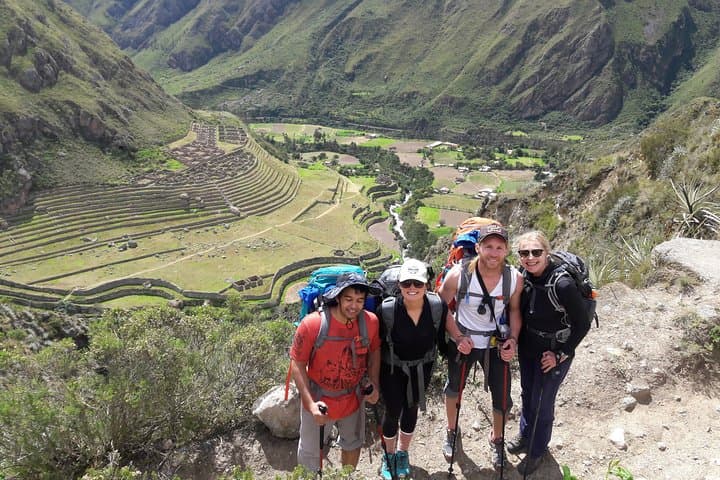
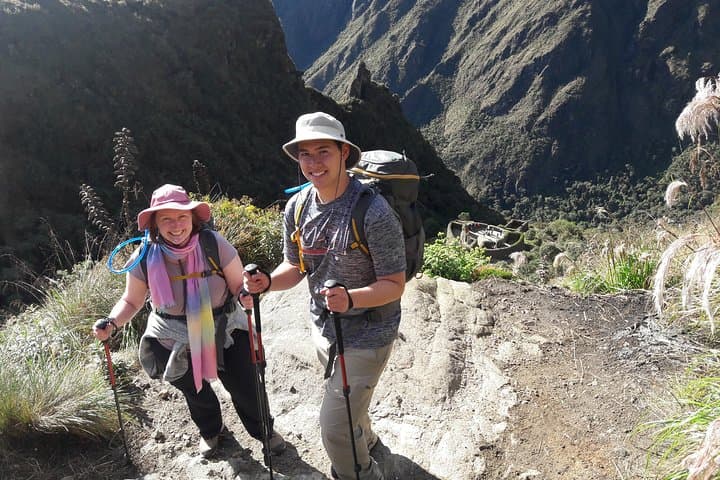
The trail begins before dawn: a narrow river valley, fog lifting off terraces, and a single ribbon of cobbled Inca path spiraling into steep cloud forest. You step onto stones that have held footfalls for centuries — a rhythm of high-altitude breathing, the hiss of distant water, and porters moving swiftly with canvas and copper pots. By the second day the trail climbs, and the air thins; Warmiwañusqa (the Dead Woman’s Pass) stands at 4,217 m, daring you to keep moving.
Verified experiences and guided adventures in the surrounding area.
Operated by Samex Tours Perú Travel Agency · Cusco, Cusco Region
The trail begins before dawn: a narrow river valley, fog lifting off terraces, and a single ribbon of cobbled Inca path spiraling into steep cloud forest. You step onto stones that have held footfalls for centuries — a rhythm of high-altitude breathing, the hiss of distant water, and porters moving swiftly with canvas and copper pots. By the second day the trail climbs, and the air thins; Warmiwañusqa (the Dead Woman’s Pass) stands at 4,217 m, daring you to keep moving.
This route follows an original section of the Qhapaq Ñan, the Inca road network that funneled pilgrims and armies toward the citadel of Machu Picchu in the 15th century. The geology is equally visible: weathered granite and shale give way to cloud forest ecosystems rich in epiphytes and orchids, then to the dramatic volcanic-andesides of the Vilcanota range. Quechua culture threads the experience — llama herds, roadside ruins, and terrace agriculture speak to generations that tended these slopes.
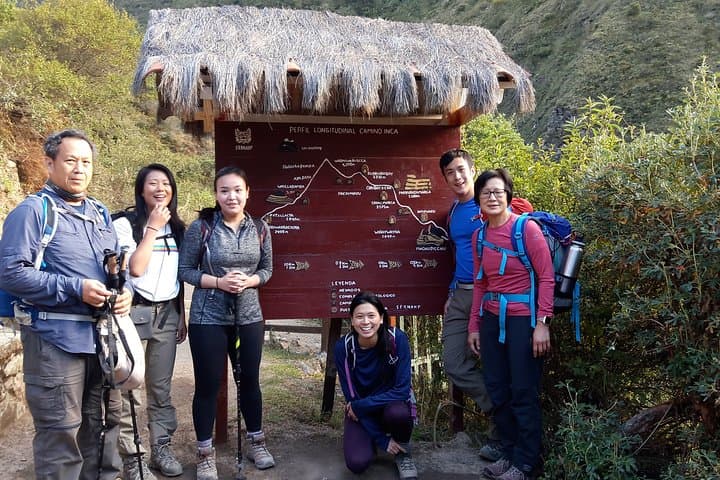
Practical planning matters. The Classic 4-day trail covers roughly 43–45 km with cumulative elevation changes that include a 1,500 m high point; expect long stair sections and uneven stonework. Permits are limited and the trail is closed each February for maintenance — book 6–7 months ahead. Pace your ascent: spend 2–3 days in Cusco or the Sacred Valley to acclimatize, carry a daytime pack with rain protection, warm layers and 2–3 liters of water, and rely on licensed guides and porters provided by outfitted operators. Nights at camp can dip to freezing; a good sleeping bag and respectful campsite behavior keep the route sustainable. Dawn at the Sun Gate remains the reward: arriving over the ridge to Machu Picchu as mist parts is less an image and more the culmination of a measured, physical pilgrimage.
challenging.
4 days.
Good cardiovascular fitness and experience with multi-day hiking at altitude; ability to carry a 6–10 kg daypack.
Yes — permits are required, limited daily, and linked to your passport; book well in advance.
The official trail is closed every February for maintenance; other months can be affected by weather but generally run from March–January.
It’s challenging: roughly 43–45 km over four days with a maximum altitude near 4,217 m; prior high-altitude hiking experience helps.
Some can, with good fitness and acclimatization, but the tour operator may set age or health limits — disclose medical issues when booking.
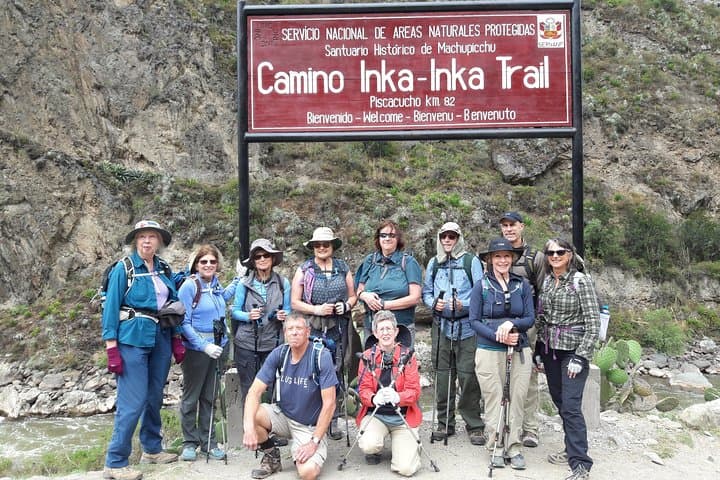
The Inca Trail is part of the Qhapaq Ñan, the empire’s road network built in the 15th century to connect administrative centers and sacred sites such as Machu Picchu.
Permits limit daily visitors and the trail closes for maintenance each February; use licensed operators, minimize waste, and respect porter welfare to reduce impact.
Samex Tours Perú Travel Agency operates guided outdoor trips and adventures with an emphasis on safety, stewardship, and memorable experiences.
The trail begins before dawn: a narrow river valley, fog lifting off terraces, and a single ribbon of cobbled Inca path spiraling into steep cloud forest. You step onto stones that have held footfalls for centuries — a rhythm of high-altitude breathing, the hiss of distant water, and porters moving swiftly with canvas and copper pots. By the second day the trail climbs, and the air thins; Warmiwañusqa (the Dead Woman’s Pass) stands at 4,217 m, daring you to keep moving.
The trail begins before dawn: a narrow river valley, fog lifting off terraces, and a single ribbon of cobbled Inca path spiraling into steep cloud forest. You step onto stones that have held footfalls for centuries — a rhythm of high-altitude breathing, the hiss of distant water, and porters moving swiftly with canvas and copper pots. By the second day the trail climbs, and the air thins; Warmiwañusqa (the Dead Woman’s Pass) stands at 4,217 m, daring you to keep moving.
This route follows an original section of the Qhapaq Ñan, the Inca road network that funneled pilgrims and armies toward the citadel of Machu Picchu in the 15th century. The geology is equally visible: weathered granite and shale give way to cloud forest ecosystems rich in epiphytes and orchids, then to the dramatic volcanic-andesides of the Vilcanota range. Quechua culture threads the experience — llama herds, roadside ruins, and terrace agriculture speak to generations that tended these slopes.
Practical planning matters. The Classic 4-day trail covers roughly 43–45 km with cumulative elevation changes that include a 1,500 m high point; expect long stair sections and uneven stonework. Permits are limited and the trail is closed each February for maintenance — book 6–7 months ahead. Pace your ascent: spend 2–3 days in Cusco or the Sacred Valley to acclimatize, carry a daytime pack with rain protection, warm layers and 2–3 liters of water, and rely on licensed guides and porters provided by outfitted operators. Nights at camp can dip to freezing; a good sleeping bag and respectful campsite behavior keep the route sustainable. Dawn at the Sun Gate remains the reward: arriving over the ridge to Machu Picchu as mist parts is less an image and more the culmination of a measured, physical pilgrimage.