THE ADVENTURE COLLECTIVE® · Independent discovery and booking for outdoor travel

Sail four days along the Nile between Luxor and Aswan, visiting Philae, Kom Ombo, Edfu and the Valley of the Kings with meals and guided tours included. This cruise blends comfortable onboard living with timed shore excursions led by an Egyptologist.
Sail four days along the Nile between Luxor and Aswan, visiting Philae, Kom Ombo, Edfu and the Valley of the Kings with meals and guided tours included. This cruise blends comfortable onboard living with timed shore excursions led by an Egyptologist.
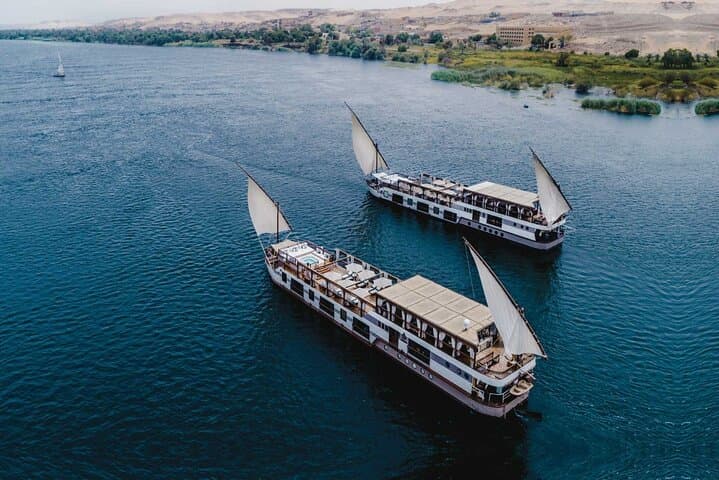
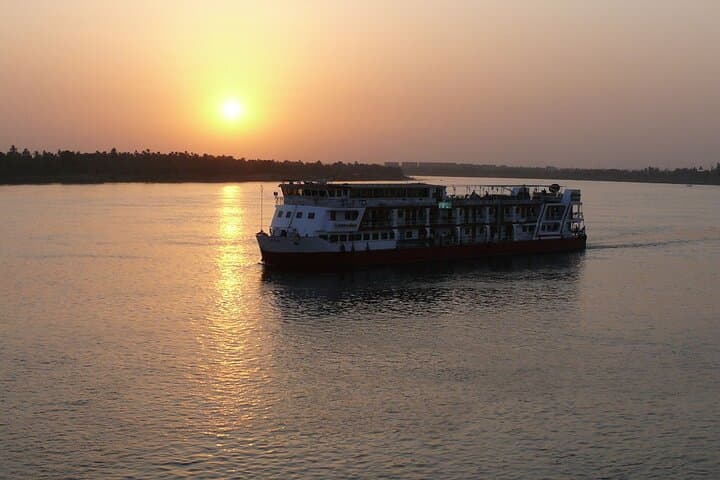
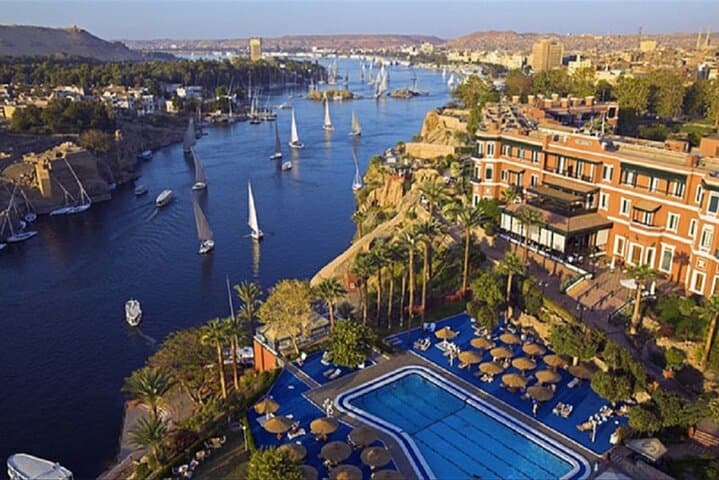
You step onto the shaded deck as the Nile carries the boat away from the banks — palm-lined villages recede, and the river widens like a slow, living highway. Salt-scented wind and the murmur of conversation set the tempo as the cruise eases toward the ruins that defined a civilization.
Verified experiences and guided adventures in the surrounding area.
Operated by Egypt Best Day Tours · Luxor, Luxor Governorate
You step onto the shaded deck as the Nile carries the boat away from the banks — palm-lined villages recede, and the river widens like a slow, living highway. Salt-scented wind and the murmur of conversation set the tempo as the cruise eases toward the ruins that defined a civilization.
Across four days you trace a corridor of stone and history: Aswan’s High Dam and the Unfinished Obelisk, the island-temple complex of Philae, the twin shrines at Kom Ombo, the pristine Temple of Horus at Edfu and Luxor’s West and East Banks with the Valley of the Kings and Karnak. Geology here is visible in carved granite quarries and the Nile’s silted banks; culture is audible in evening Nubian music aboard and the chants that once filled temple courts.
Expect guided walks at each site with an Egyptologist, comfortable air-conditioned transfers and three nights aboard a five-star cruiser with breakfast, lunch and dinner included. Timing matters: archaeological sites are best visited early or late to avoid midday heat and crowds. Wear sturdy walking shoes for uneven temple thresholds, a wide-brim hat and sunscreen; carry a reusable bottle — hydration is constant on the desert edge.
Practical notes: passport and modest dress are required at many sites; bring small local currency for tips and souvenirs. Photography is allowed at most places but check signs for restricted tomb interiors. The Nile here feels territorial — it will slow you down, draw your attention, and insist you notice the layers of human history etched along its banks.
easy.
4 days.
Suitable for travelers in average health; requires mobility for short walks and stairs at archaeological sites.
Most nationalities require a tourist visa for Egypt; check your embassy for requirements and obtain one in advance or on arrival where available.
Guided tours and visits listed in the itinerary are included; some specific tombs in the Valley of the Kings may require separate tickets on-site.
The cruise is generally accessible, but some temple sites have steps and uneven surfaces; contact the operator for specific accessibility arrangements.
Egyptian pounds are used locally; tipping (baksheesh) is customary for guides, drivers and crew — small bills are convenient for this purpose.
This stretch of the Nile was the political and religious heart of pharaonic Egypt; many temples were relocated or conserved during 20th-century dam projects.
Tour operators now emphasize reduced plastic use onboard and support guided routing that minimizes wear at fragile archaeological sites.
Egypt Best Day Tours operates guided outdoor trips and adventures with an emphasis on safety, stewardship, and memorable experiences.

You step onto the shaded deck as the Nile carries the boat away from the banks — palm-lined villages recede, and the river widens like a slow, living highway. Salt-scented wind and the murmur of conversation set the tempo as the cruise eases toward the ruins that defined a civilization.
You step onto the shaded deck as the Nile carries the boat away from the banks — palm-lined villages recede, and the river widens like a slow, living highway. Salt-scented wind and the murmur of conversation set the tempo as the cruise eases toward the ruins that defined a civilization.
Across four days you trace a corridor of stone and history: Aswan’s High Dam and the Unfinished Obelisk, the island-temple complex of Philae, the twin shrines at Kom Ombo, the pristine Temple of Horus at Edfu and Luxor’s West and East Banks with the Valley of the Kings and Karnak. Geology here is visible in carved granite quarries and the Nile’s silted banks; culture is audible in evening Nubian music aboard and the chants that once filled temple courts.
Expect guided walks at each site with an Egyptologist, comfortable air-conditioned transfers and three nights aboard a five-star cruiser with breakfast, lunch and dinner included. Timing matters: archaeological sites are best visited early or late to avoid midday heat and crowds. Wear sturdy walking shoes for uneven temple thresholds, a wide-brim hat and sunscreen; carry a reusable bottle — hydration is constant on the desert edge.
Practical notes: passport and modest dress are required at many sites; bring small local currency for tips and souvenirs. Photography is allowed at most places but check signs for restricted tomb interiors. The Nile here feels territorial — it will slow you down, draw your attention, and insist you notice the layers of human history etched along its banks.