THE ADVENTURE COLLECTIVE® · Independent discovery and booking for outdoor travel

Sail four days down the Nile from Luxor to Aswan, visiting Valley of the Kings, Karnak, Edfu, Kom Ombo and Abu Simbel while enjoying full-board accommodation on a 5-star cruise. Expect early-morning temple visits, gentle river crossings and easy daily walks.
Sail four days down the Nile from Luxor to Aswan, visiting Valley of the Kings, Karnak, Edfu, Kom Ombo and Abu Simbel while enjoying full-board accommodation on a 5-star cruise. Expect early-morning temple visits, gentle river crossings and easy daily walks.
The first light catches the copper-green sweep of the Nile and the cruise's deck becomes a moving veranda: fishermen cast simple lines, palms blur by like ink strokes, and the river nudges the boat south toward Aswan.
Verified experiences and guided adventures in the surrounding area.
Operated by Take Egypt · Luxor, Luxor Governorate
The first light catches the copper-green sweep of the Nile and the cruise's deck becomes a moving veranda: fishermen cast simple lines, palms blur by like ink strokes, and the river nudges the boat south toward Aswan.
Over four days passengers step ashore into Egypt’s deepest history — the rock-cut tombs of the Valley of the Kings, the avenue of sphinxes at Karnak, the compact power of Edfu and the duality of Kom Ombo, then the colossal reliefs at Abu Simbel. Geologically the Nile corridor is a thin ribbon of alluvial soil carved into desert rock; its banks hold millennia of human settlement that made temple-building and riverine trade possible. Culturally, the cruise threads Pharaonic monuments with living-market life in Luxor and the Nubian influence near Aswan.
On board, days alternate between guided shore excursions and slow-motion river time: sun on the rail, cardamom coffee, and staff preparing full-board meals. Nights bring a different light — temple façades lit for evening shows or quiet starlit crossings.
Practical guidance: carry a passport and photocopy, light breathable clothing that covers shoulders and knees for sacred sites, sturdy closed-toe shoes and a hat. Temperatures spike in summer; hydrate and plan temple visits for early morning. Expect short walks, many stairs and uneven surfaces inside tombs. Confirm pickup details and admission inclusions before travel; drinks are usually extra. For photographers, spare batteries and a small zoom will capture both close carvings and river panoramas.
easy.
4 days.
Light activity—suitable for most travelers who can manage short walks and stairs inside tombs and temples.
Guided shore excursions listed in the itinerary are included; specific monument entry fees are typically part of the tour package but confirm at booking—drinks on board are usually extra.
The cruise package includes hotel pickup and drop-off in Luxor; exact pickup point and time are confirmed after booking and may vary by hotel location.
The cruise is rated easy and suitable for most ages, though temple tombs have stairs and uneven surfaces; mobility assistance should be requested in advance.
For a full refund cancel at least 24 hours before departure; cancellations within 24 hours are not refundable—verify exact timing with the operator.
The Nile corridor was the backbone of Pharaonic civilization; temples here mark religious, political and territorial shifts from the New Kingdom through later periods.
Riverbank agriculture and tourism put pressure on local water and archaeology; choose operators who support waste reduction and respect protected sites.
Take Egypt operates guided outdoor trips and adventures with an emphasis on safety, stewardship, and memorable experiences.
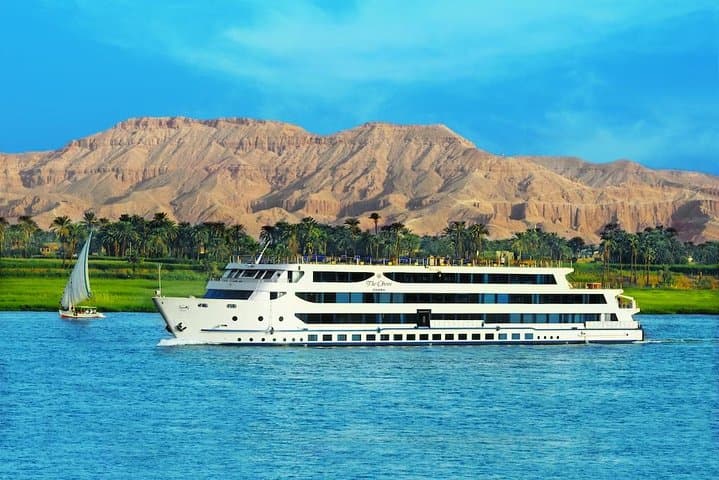

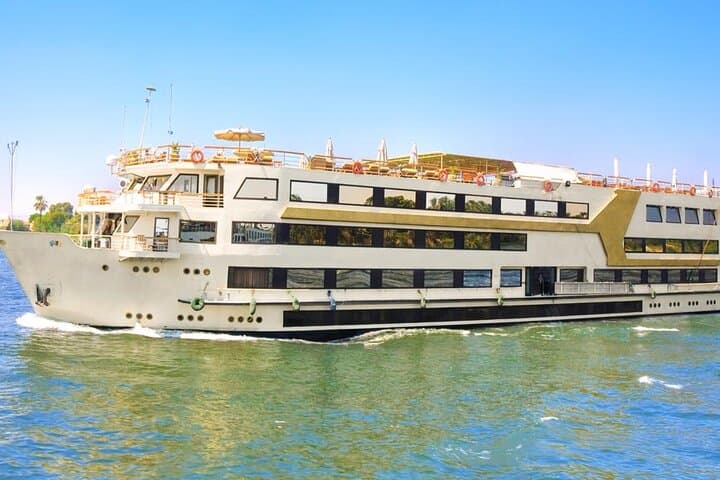
The first light catches the copper-green sweep of the Nile and the cruise's deck becomes a moving veranda: fishermen cast simple lines, palms blur by like ink strokes, and the river nudges the boat south toward Aswan.
The first light catches the copper-green sweep of the Nile and the cruise's deck becomes a moving veranda: fishermen cast simple lines, palms blur by like ink strokes, and the river nudges the boat south toward Aswan.
Over four days passengers step ashore into Egypt’s deepest history — the rock-cut tombs of the Valley of the Kings, the avenue of sphinxes at Karnak, the compact power of Edfu and the duality of Kom Ombo, then the colossal reliefs at Abu Simbel. Geologically the Nile corridor is a thin ribbon of alluvial soil carved into desert rock; its banks hold millennia of human settlement that made temple-building and riverine trade possible. Culturally, the cruise threads Pharaonic monuments with living-market life in Luxor and the Nubian influence near Aswan.
On board, days alternate between guided shore excursions and slow-motion river time: sun on the rail, cardamom coffee, and staff preparing full-board meals. Nights bring a different light — temple façades lit for evening shows or quiet starlit crossings.
Practical guidance: carry a passport and photocopy, light breathable clothing that covers shoulders and knees for sacred sites, sturdy closed-toe shoes and a hat. Temperatures spike in summer; hydrate and plan temple visits for early morning. Expect short walks, many stairs and uneven surfaces inside tombs. Confirm pickup details and admission inclusions before travel; drinks are usually extra. For photographers, spare batteries and a small zoom will capture both close carvings and river panoramas.