THE ADVENTURE COLLECTIVE® · Independent discovery and booking for outdoor travel

Float over Luxor at dawn, walk among colossal pharaonic temples, and witness Abu Simbel’s relocated grandeur on a compact four-day loop from Cairo. This itinerary combines a hot-air balloon, Nile crossings, and guided tours for first-time ancient Egypt explorers.
Float over Luxor at dawn, walk among colossal pharaonic temples, and witness Abu Simbel’s relocated grandeur on a compact four-day loop from Cairo. This itinerary combines a hot-air balloon, Nile crossings, and guided tours for first-time ancient Egypt explorers.
Dawn over the Nile strips the sky to copper and blue as a hot-air balloon lifts above the East Bank, the river below daring the soft light to keep up. Travelers arrive by plane to Luxor, step onto ancient stone, and watch centuries of sand and water lay out the route of an empire.
Verified experiences and guided adventures in the surrounding area.
Operated by Book Your Tours · Luxor, Luxor Governorate
Dawn over the Nile strips the sky to copper and blue as a hot-air balloon lifts above the East Bank, the river below daring the soft light to keep up. Travelers arrive by plane to Luxor, step onto ancient stone, and watch centuries of sand and water lay out the route of an empire.
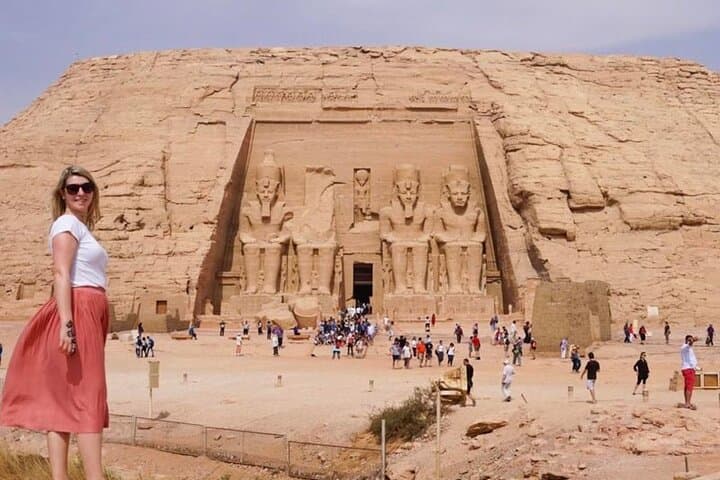
This four-day loop threads through Thebes — the pharaonic capital where rulers carved tombs into the west-bank cliffs and raised colonnades on the east. Geology here is simple: limestone and sandstone sculpted by wind and Nile floods, and modern engineering that moved Abu Simbel to save it from Lake Nasser’s waters. Culture feels immediate: temple reliefs, priestly graffiti, and the living traditions of Nubia in Aswan.
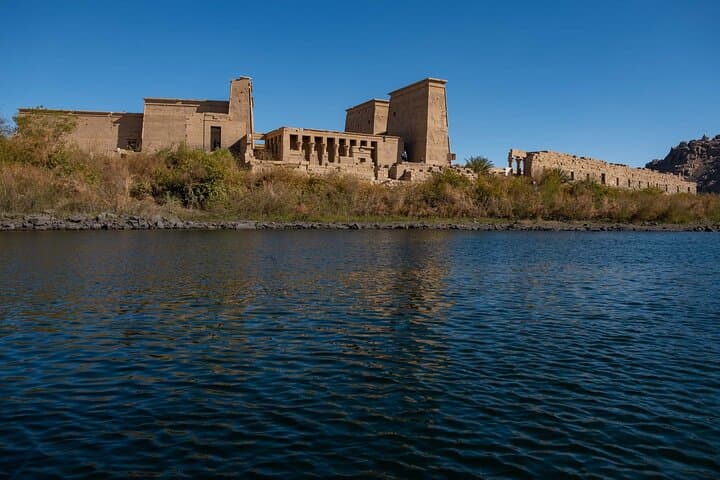
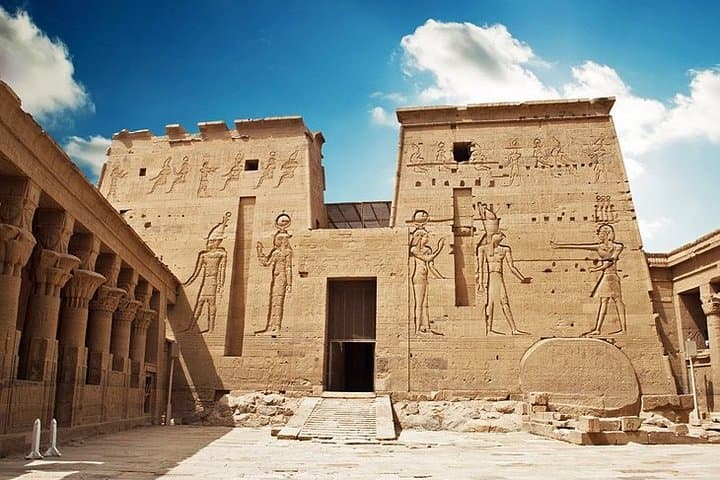
Expect walking distances of 1–3 km at individual sites, mostly flat with short stair sections (Hatshepsut’s terraces and temple steps). Karnak’s Hypostyle Hall still stands with 134 columns; the original Avenue of Sphinxes stretched roughly 3 km between Karnak and Luxor. Boat transfers to Philae and the Aswan High Dam are calm, while the Abu Simbel transfer is a long, early drive (or short flight) along desert plains.
Practical edge: plan pre-dawn starts for the balloon and Abu Simbel, carry 2–3 liters of water per day, and wear closed, grippy shoes for temple steps and sandy tracks. Keep local currency for small purchases, and allow time between sites — photography lines and security checks are routine. With modest fitness and sensible packing, this itinerary balances spectacle with the steady work of exploration.
moderate.
4 days.
Light to moderate fitness for multiple short walks, stairs, and transfers; good for active travelers.
Balloons typically launch at first light (around sunrise); expect a 4–5 AM pickup depending on season and hotel location.
Abu Simbel is included; transfers are long—about 3–4 hours by road from Aswan each way or a short regional flight if arranged.
Some sites offer limited accessibility and transfers are wheelchair-friendly, but many ancient temples have steps and uneven floors that can limit access.
Yes—carry small amounts of Egyptian pounds for tipping, market purchases, and entry where cards aren’t accepted; ATMs are available in Luxor and Aswan.
This corridor was Thebes, the heart of New Kingdom Egypt; monuments here span pharaohs’ funerary landscapes to temple complexes developed across dynasties.
Rising visitor numbers and Nile water management affect fragile sites—stay on paths, avoid touching reliefs, and follow guide instructions to reduce wear.
Book Your Tours operates guided outdoor trips and adventures with an emphasis on safety, stewardship, and memorable experiences.
Dawn over the Nile strips the sky to copper and blue as a hot-air balloon lifts above the East Bank, the river below daring the soft light to keep up. Travelers arrive by plane to Luxor, step onto ancient stone, and watch centuries of sand and water lay out the route of an empire.
Dawn over the Nile strips the sky to copper and blue as a hot-air balloon lifts above the East Bank, the river below daring the soft light to keep up. Travelers arrive by plane to Luxor, step onto ancient stone, and watch centuries of sand and water lay out the route of an empire.
This four-day loop threads through Thebes — the pharaonic capital where rulers carved tombs into the west-bank cliffs and raised colonnades on the east. Geology here is simple: limestone and sandstone sculpted by wind and Nile floods, and modern engineering that moved Abu Simbel to save it from Lake Nasser’s waters. Culture feels immediate: temple reliefs, priestly graffiti, and the living traditions of Nubia in Aswan.
Expect walking distances of 1–3 km at individual sites, mostly flat with short stair sections (Hatshepsut’s terraces and temple steps). Karnak’s Hypostyle Hall still stands with 134 columns; the original Avenue of Sphinxes stretched roughly 3 km between Karnak and Luxor. Boat transfers to Philae and the Aswan High Dam are calm, while the Abu Simbel transfer is a long, early drive (or short flight) along desert plains.
Practical edge: plan pre-dawn starts for the balloon and Abu Simbel, carry 2–3 liters of water per day, and wear closed, grippy shoes for temple steps and sandy tracks. Keep local currency for small purchases, and allow time between sites — photography lines and security checks are routine. With modest fitness and sensible packing, this itinerary balances spectacle with the steady work of exploration.